搜索头条

“fect”

24

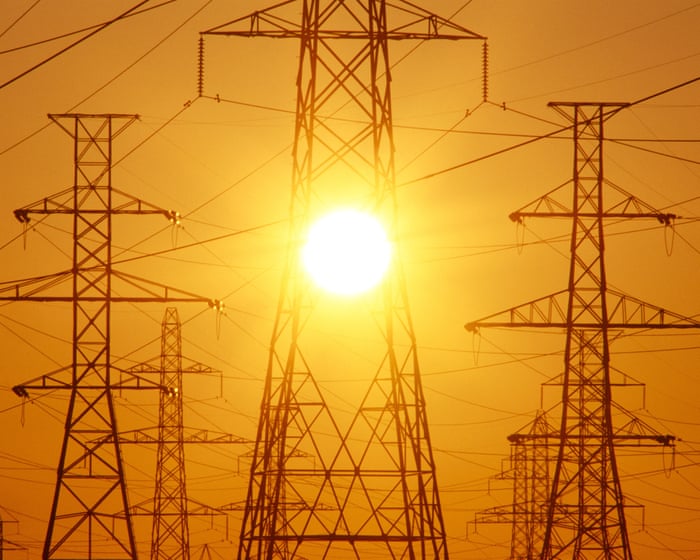
Beyond temperature: How people experience urban heat
科学与环境

Beyond temperature: How people experience urban heat

Urban heat is more than a matter of temperature. It can affect how people sleep, work, travel through the city and dress, and even how safe or comfortable they feel in public spaces. Yet these everyday consequences often remain invisible in conventional assessments of urban heat.

Phys.org - latest science and technology news stories ·

Less protein for maggots means longer lives for fruit flies
科技与人工智能

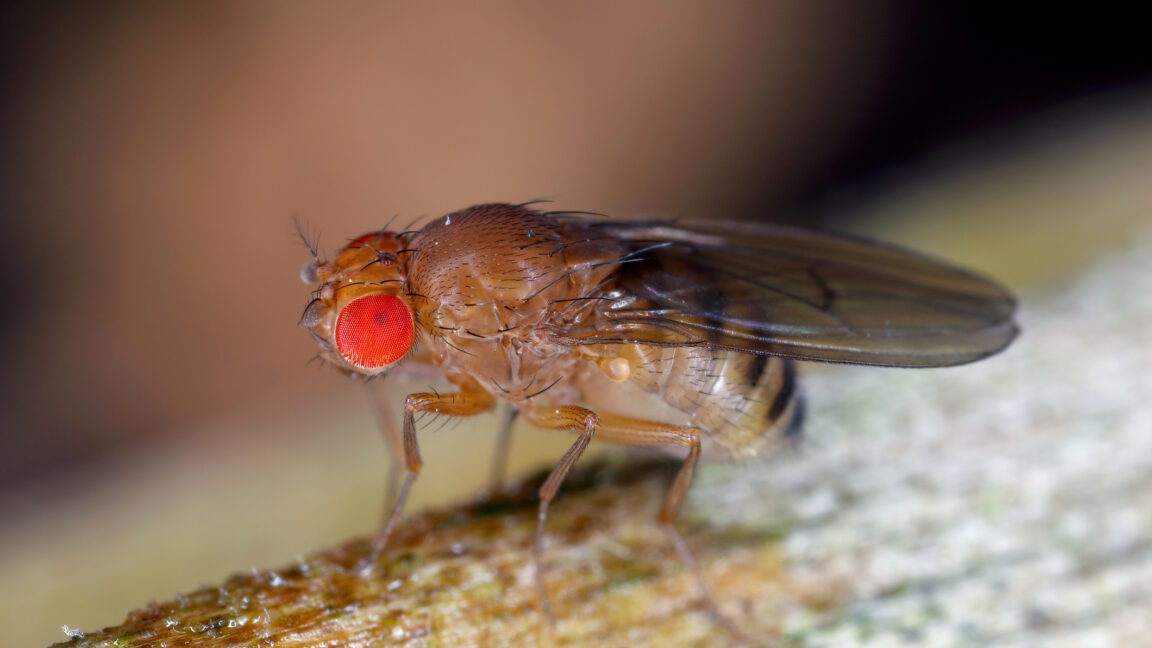
Less protein for maggots means longer lives for fruit flies

Back in the 1930s, scientists noticed that water fleas and rats fed restricted diets while young went on to live longer. The same effect has since turned up in fruit flies and mice. What we did not know was how a meal eaten in infancy could affect health weeks, months, or even ye

Ars Technica - All content ·

AL
科学与环境

Blood tests reveal why astronauts get constipated in space

Spaceflight may dramatically change the gut within weeks, causing bacteria to break down more protein as food moves more slowly through the intestines. The shift could help explain astronaut constipation and may have wider effects on health, making it an important concern for fut

All Top News -- ScienceDaily ·

AL
科学与环境

Scientists gave worms magnetic bacteria. They lived 43% longer

A magnet-producing bacterium extended the average lifespan of C. elegans worms by more than 43% while helping protect their neurological and intestinal health. Researchers traced much of the effect to suppression of ferroptosis, a damaging form of cell death linked to iron buildu

All Top News -- ScienceDaily ·

AL
科学与环境

Rare pregnancy infections may triple the risk of autism

A major Swedish study of 3.7 million people has found that rare TORCH infections passed from a pregnant woman to the fetus are linked to much higher risks of autism and intellectual disability later in life. Children with a congenital TORCH infection were about three times more l

All Top News -- ScienceDaily ·