科技与人工智能
Less protein for maggots means longer lives for fruit flies
来源: Ars Technica - All content · 发布于
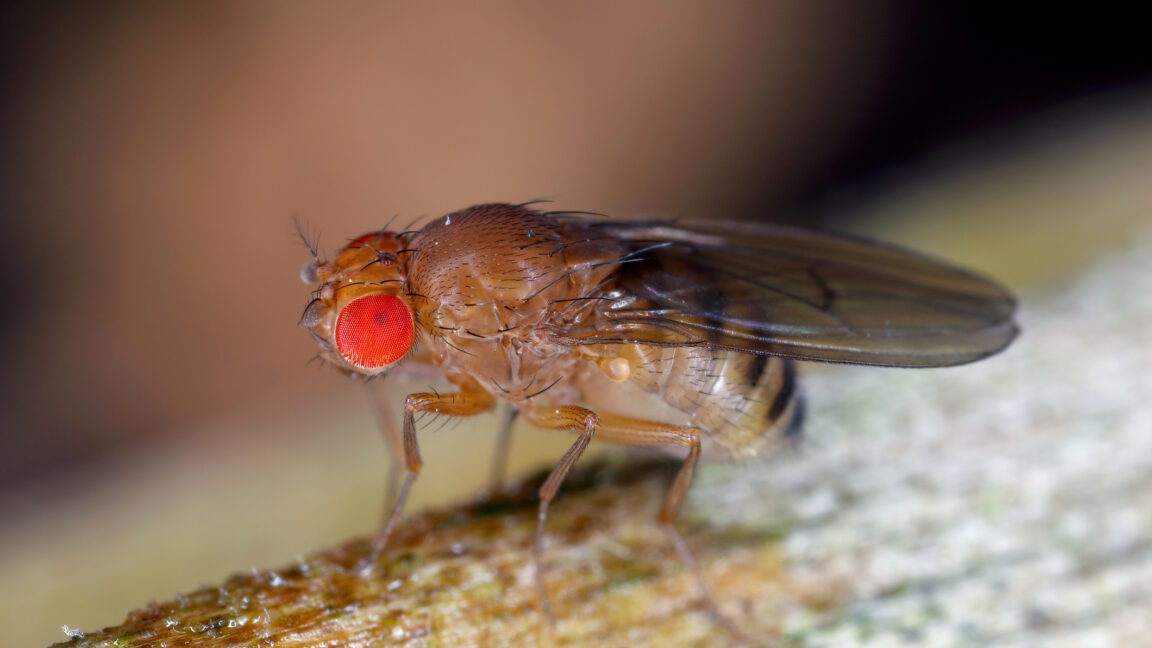
Back in the 1930s, scientists noticed that water fleas and rats fed restricted diets while young went on to live longer. The same effect has since turned up in fruit flies and mice. What we did not know was how a meal eaten in infancy could affect health weeks, months, or even ye
Back in the 1930s, scientists noticed that water fleas and rats fed restricted diets while young went on to live longer. The same effect has since turned up in fruit flies and mice. What we did not know was how a meal eaten in infancy could affect health weeks, months, or even years later.
A recent Nature study might have found the answer. A team led by Fumiaki Obata, a biologist at the RIKEN Center for Biosystems Dynamics Research in Kobe, Japan, found a protein that carries a record into adulthood of what fruit flies ate as larvae, influencing how long they live. Hungry maggots Lab fruit flies are fed a mix of yeast and sugar, with yeast being their main source of protein.
“We decreased only the yeast concentration in the diet, from eight percent to either one or two percent,” Obata explains. This low-protein diet was introduced roughly halfway through the larval period. Once the flies emerged from their pupae as adults, they returned to standard food.
Read full article Comments
相关报道

Nature spaces 'need to be next to where people live'
Campaigners are pushing for more wildlife-rich green spaces to be created within urban communities.
feeds.bbci.co.uk ·

The Migrants Being Shipped Back to a War Zone
Malaysia says it is repatriating undocumented migrants from Myanmar who want to return. Critics say it is putting their lives at risk.
NYT > World News ·

What's the smallest amount you'd ask a friend to pay back?
We ask New Yorkers to share the smallest amount they'd ask a friend to pay back.
feeds.bbci.co.uk ·
Scientists thought they knew how this 70-year-old leukemia drug worked
A 70-year-old leukemia drug is still revealing new secrets. Researchers found that removing a protein called NUDT5 protected cells from the drug, even though simply blocking the protein had little effect. The unexpected result points to a hidden cellular role that could help expl
All Top News -- ScienceDaily ·

From 'dog fruit' to darling: India's avocado boom
Demand for avocados is booming in India and local growers hope to grab more of the market.
feeds.bbci.co.uk ·