科技与人工智能
Scientists Tried to Kill This Dirt, but It Wouldn’t Die
来源: WIRED · 发布于

Biologically important chemical reactions persisted in the sterilized soil for six years—offering clues to how life on Earth may have gotten its start.
Biologically important chemical reactions persisted in the sterilized soil for six years—offering clues to how life on Earth may have gotten its start.
相关报道
Meteors don't just burn up. What really happens is far more violent
Scientists have uncovered seven surprising stages that space rocks go through as they hurtle toward Earth, revealing that melting and violent fragmentation, rather than simple evaporation, determine their fate. The discovery could help explain why meteorites scatter across the gr
All Top News -- ScienceDaily ·
Scientists discover a hidden oxygen reservoir deep inside Earth
Scientists have discovered that magma deep inside Earth can store surprising amounts of extra oxygen, potentially revealing a hidden contributor to our planet's oxygen-rich atmosphere. The findings suggest that ancient volcanic eruptions may have helped transform Earth's atmosphe
All Top News -- ScienceDaily ·
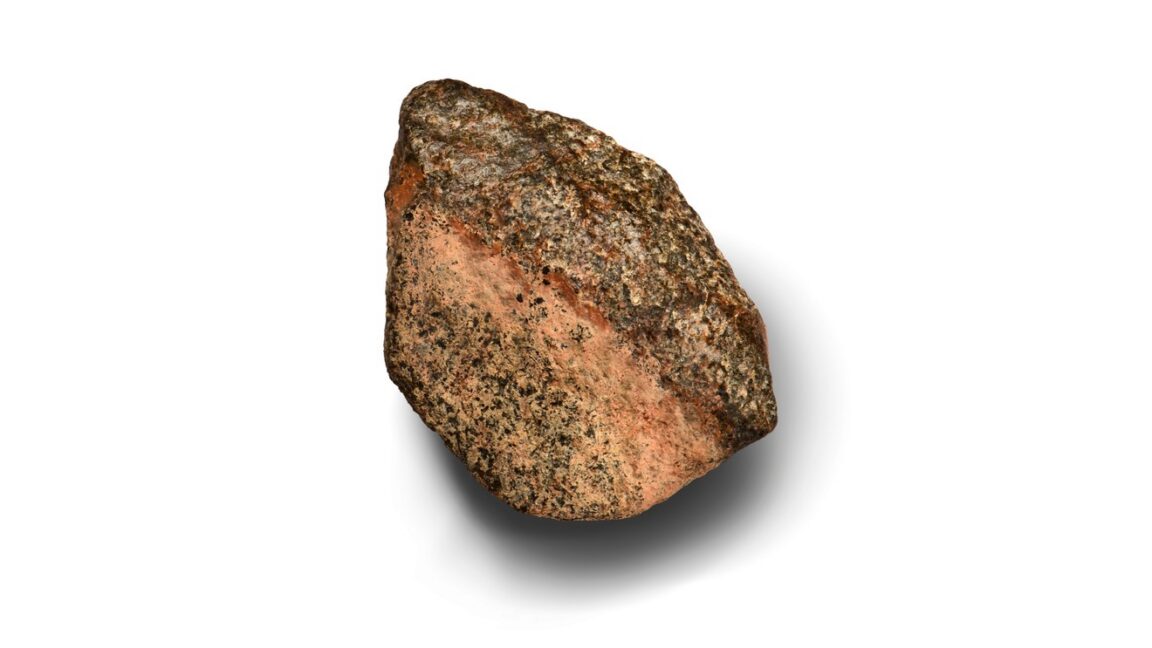
Rare meteorite from Mars gives us a view into its ancient crust
Crater counts tell us that most of the Martian surface is more than 3 billion years old, but pieces of Mars we have on Earth tell a different story. The three main classes of Martian meteorites—shergottites, nakhlites, and chassignites—are all 2.4 billion years old or younger. Un
Ars Technica - All content ·

How on earth has he scored from there?!
Stockport's Ollie Norwood scores an incredible free-kick from one of the tightest angles possible!
SkySports | News ·

What makes rock deep beneath continents break away and sink?
We usually picture mountain building as rock being pushed upward. But deep beneath some mountain belts and volcanic arcs, the opposite can happen: dense rock at the base of the crust can become unstable, break away and sink hundreds of kilometers into the mantle, dragging part of
Phys.org - latest science and technology news stories ·