科学与环境
Over a decade of atmospheric data from NASA's Curiosity rover hints at small amounts of surface water on Mars
来源: Phys.org - latest science and technology news stories · 发布于

NASA's Curiosity rover has been collecting data about Mars' thin, carbon dioxide–rich atmosphere since 2012. Now, a study published in the Proceedings of the National Academy of Sciences has analyzed over a decade of this data to determine whether the daily and seasonal changes i
NASA's Curiosity rover has been collecting data about Mars' thin, carbon dioxide–rich atmosphere since 2012. Now, a study published in the Proceedings of the National Academy of Sciences has analyzed over a decade of this data to determine whether the daily and seasonal changes in Mars' atmosphere could be explained by known processes, including the freezing and release of carbon dioxide at its poles. What they found suggests a process involving water either attached to soil grains or in extremely thin, liquid-like films at the surface.
相关报道
NASA’s CHAPEA Mars crew finally emerges after more than a year in isolation
After more than a year of simulated life on Mars, four NASA volunteers have finally emerged from isolation, bringing a remarkable space exploration experiment to an end. Their experiences growing food, conserving resources, and overcoming Mars-like challenges could help NASA prep
All Top News -- ScienceDaily ·

Canada’s Leader, Once a Curiosity at Asia Summits, Is Now a Star
Prime Minister Mark Carney is courting Europe, but the bigger payoff might be in China, where he will share summit stages with Xi Jinping, Vladimir Putin and President Trump.
NYT > World News ·
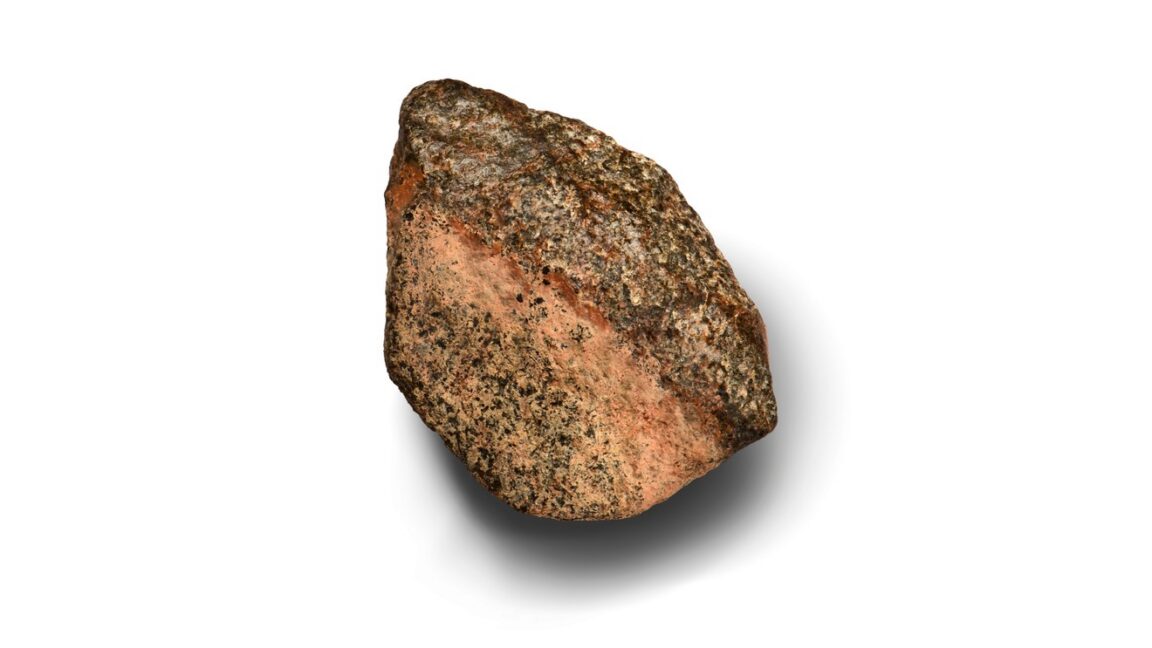
Rare meteorite from Mars gives us a view into its ancient crust
Crater counts tell us that most of the Martian surface is more than 3 billion years old, but pieces of Mars we have on Earth tell a different story. The three main classes of Martian meteorites—shergottites, nakhlites, and chassignites—are all 2.4 billion years old or younger. Un
Ars Technica - All content ·

Flip side: Upside-down atomic layers could steer heat in stacked computer chips
Stacking chips on top of one another could keep computers getting faster, but it creates a heating problem. Now, researchers from Japan have found that simply flipping atom-thin layers upside down could help steer that heat where it needs to go.
Phys.org - latest science and technology news stories ·

Written in sand: How dunes reveal the secrets of planetary winds
Stanford University researchers have shown that the median sand grain size in dunes on Earth and Mars reveals the speed of the winds that formed those dunes. The finding enables scientists to use sand as a wind speedometer for both modern and ancient dunes found across the solar
Phys.org - latest science and technology news stories ·