科学与环境
Martian polar crater ice shifts with seasonal frost
来源: Phys.org - latest science and technology news stories · 发布于

Mars shares many landforms and weather patterns with Earth, including changing seasons, volcanoes, canyons, dust storms, dust devils and water ice. Another feature that Earth and Mars share is polar ice caps. These are among each planet's striking features, but the major differen
Mars shares many landforms and weather patterns with Earth, including changing seasons, volcanoes, canyons, dust storms, dust devils and water ice. Another feature that Earth and Mars share is polar ice caps. These are among each planet's striking features, but the major difference is that Earth's polar ice caps are both composed of water, while Mars' north polar ice cap is composed only of water and its southern polar ice cap is carbon dioxide.
相关报道
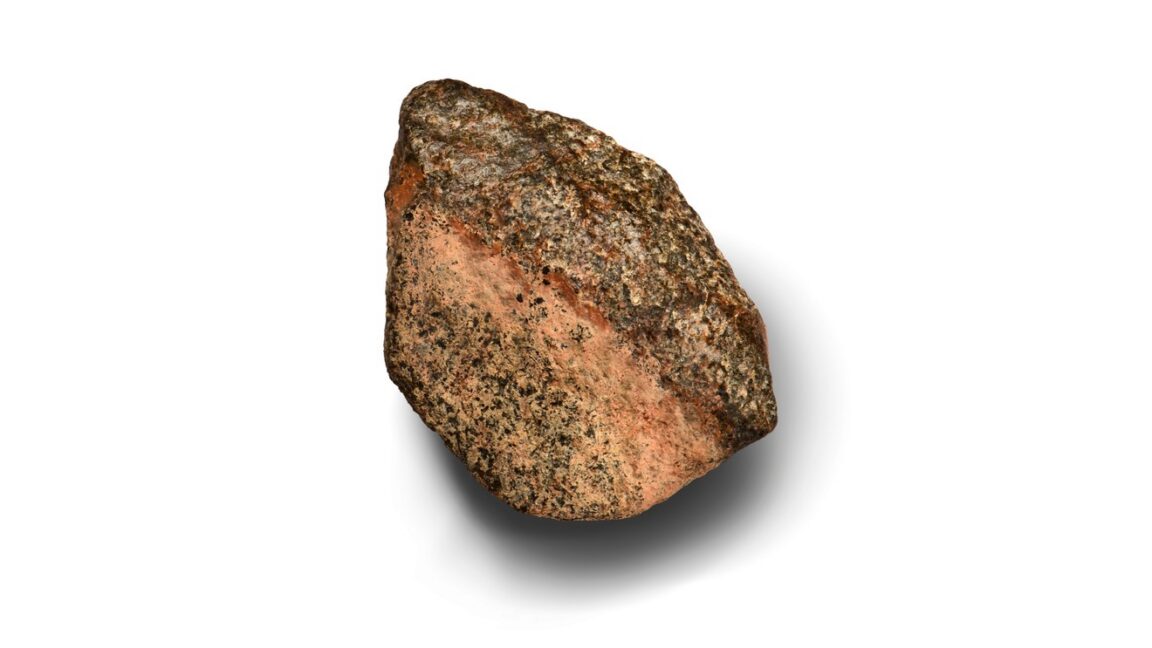
Rare meteorite from Mars gives us a view into its ancient crust
Crater counts tell us that most of the Martian surface is more than 3 billion years old, but pieces of Mars we have on Earth tell a different story. The three main classes of Martian meteorites—shergottites, nakhlites, and chassignites—are all 2.4 billion years old or younger. Un
Ars Technica - All content ·
Meteors don't just burn up. What really happens is far more violent
Scientists have uncovered seven surprising stages that space rocks go through as they hurtle toward Earth, revealing that melting and violent fragmentation, rather than simple evaporation, determine their fate. The discovery could help explain why meteorites scatter across the gr
All Top News -- ScienceDaily ·
Scientists discover a hidden oxygen reservoir deep inside Earth
Scientists have discovered that magma deep inside Earth can store surprising amounts of extra oxygen, potentially revealing a hidden contributor to our planet's oxygen-rich atmosphere. The findings suggest that ancient volcanic eruptions may have helped transform Earth's atmosphe
All Top News -- ScienceDaily ·

Mission blasts off for Mars to grab a piece of its moon
A spacecraft is set to launch on an ambitious mission to bring 10g of Martian moon dust back to Earth.
feeds.bbci.co.uk ·

UN reports warn of large-scale damage to Earth's ice from climate change
Exceeding 1.5C of global warming will have "irreversible" consequences for glaciers, sea ice and the Earth's frozen regions, two U.N. reports warned on Monday, calling for urgent action.
Phys.org - latest science and technology news stories ·