科学与环境
Ice at Mars’ north pole is far cleaner than scientists thought
来源: All Top News -- ScienceDaily · 发布于
The ice at Mars’ north pole contains far less dust than scientists previously believed, potentially revealing new clues about the planet’s ancient climate. Researchers discovered layers of relatively clean ice separated by dustier layers, with dust concentrations closer to 3% rat
The ice at Mars’ north pole contains far less dust than scientists previously believed, potentially revealing new clues about the planet’s ancient climate. Researchers discovered layers of relatively clean ice separated by dustier layers, with dust concentrations closer to 3% rather than 25% in exposed older ice. These frozen deposits could hold valuable records of dramatic Martian ice ages.
相关报道
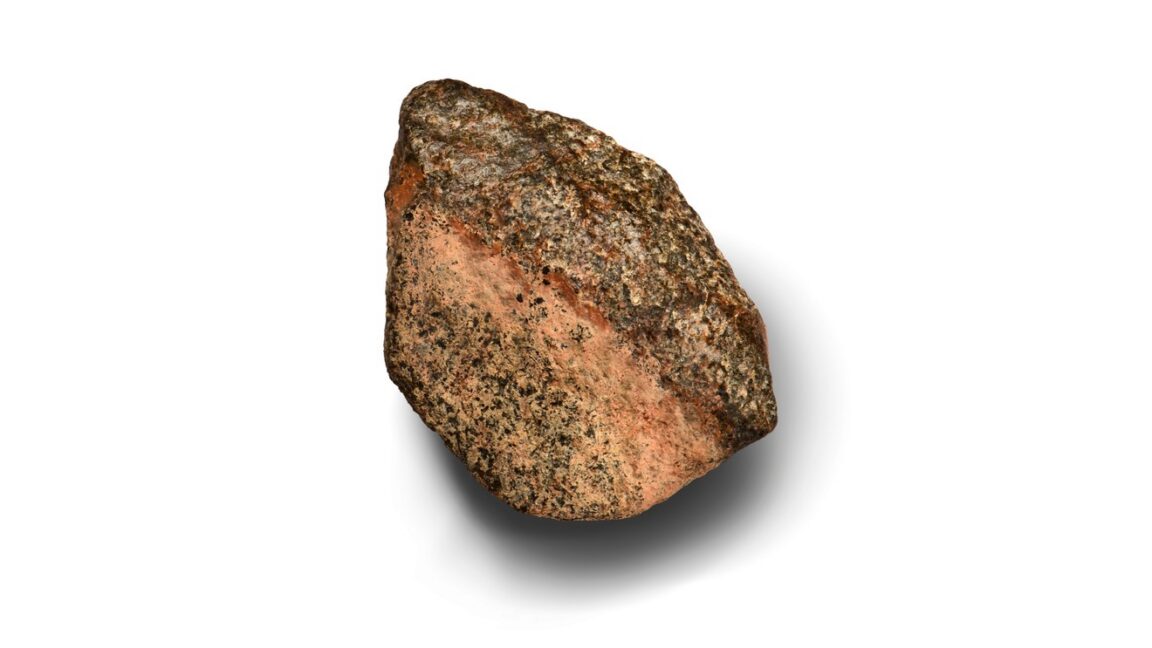
Rare meteorite from Mars gives us a view into its ancient crust
Crater counts tell us that most of the Martian surface is more than 3 billion years old, but pieces of Mars we have on Earth tell a different story. The three main classes of Martian meteorites—shergottites, nakhlites, and chassignites—are all 2.4 billion years old or younger. Un
Ars Technica - All content ·

Mission blasts off for Mars to grab a piece of its moon
A spacecraft is set to launch on an ambitious mission to bring 10g of Martian moon dust back to Earth.
feeds.bbci.co.uk ·

Half of NASA's aging Mars fleet knocked offline by technical issues
Two of NASA's four missions operating at Mars have suspended science operations after encountering separate technical issues in recent weeks. The missions affected by the outages — hopefully temporary — are NASA's Perseverance rover and Odyssey orbiter. Both are operating beyond
Ars Technica ·
LSD and psilocybin leave surprisingly different marks on the brain
Psychedelic drugs may have far more distinct effects on the brain than scientists previously realized. Researchers from the University of Southern Denmark compared LSD, psilocybin, and 2C-B using brain scans in rats, discovering that each drug produced a unique pattern of brain a
All Top News -- ScienceDaily ·
Blackbirds may recognize venomous snakes without ever encountering them
Red-winged blackbirds may possess a remarkable ability to distinguish dangerous snakes from relatively harmless ones, even without previous experience encountering them. Researchers at Oregon State University discovered that these fiercely protective birds routinely attacked life
All Top News -- ScienceDaily ·