Technology & AI
Google’s AlphaGenome 2 zooms in on the cellular roots of disease
Source: The Verge · Published

A graphic representing Google’s AlphaGenome Atlas. | Image: Google Researchers at Google DeepMind have unveiled a new AI model designed to unravel how changes in our DNA affect different cells, giving scientists a more detailed view of a notoriously difficult problem that could h
A graphic representing Google’s AlphaGenome Atlas. | Image: Google Researchers at Google DeepMind have unveiled a new AI model designed to unravel how changes in our DNA affect different cells, giving scientists a more detailed view of a notoriously difficult problem that could hold important clues to the causes of disease - and point the way to new treatments. AlphaGenome 2 is the successor to DeepMind's genome-predicting AI model AlphaGenome, which was released last year .
While nearly every cell in the human body carries the same DNA, different types of cells - from heart muscle cells and skin cells to immune cells fighting an infection - switch different genes on and off, and those patterns can change d … Read the full story at The Verge.
Related stories
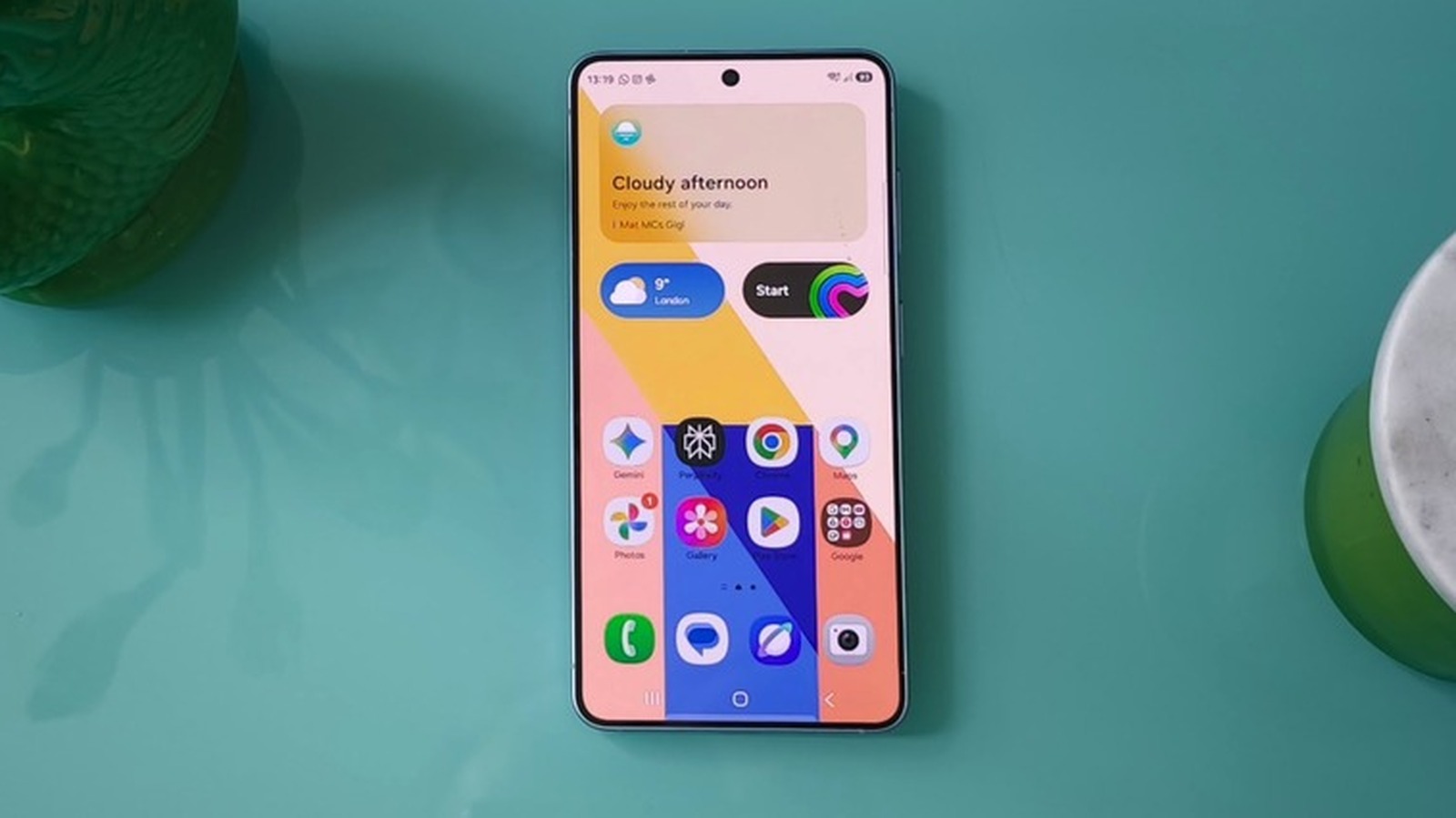
Samsung Gallery now syncs with Google to back up your photos
You can now sync your photos and videos on select Samsung devices to your Google account.
Engadget - Technology News & Expert Reviews ·
Google Fi adds support for a second 5G network, won't say which one
Google has announced a " super network " upgrade for its Fi cell service. For the past few years, Google Fi has operated exclusively on the T-Mobile network, but now it's adding support for a second 5G network. Oddly, Google refuses to say which one. Google's MVNO (mobile virtual
Ars Technica - All content ·
Google broadens its AI hardware portfolio with two new specialized chips
Google's new tensor processing units (TPUs) broaden its chip portfolio to more use cases: confidential model training and more memory capacity.
TechCrunch ·

Google DeepMind just mathematically verified key parts of Signal
Google DeepMind researchers used agentic AI to mathematically prove, or “formally verify,” a number of the Signal protocol’s key cryptographic guarantees—a landmark development for the widely used cryptography and AI itself. Conducted as a sort of proof-of-concept project in just
Ars Technica - All content ·
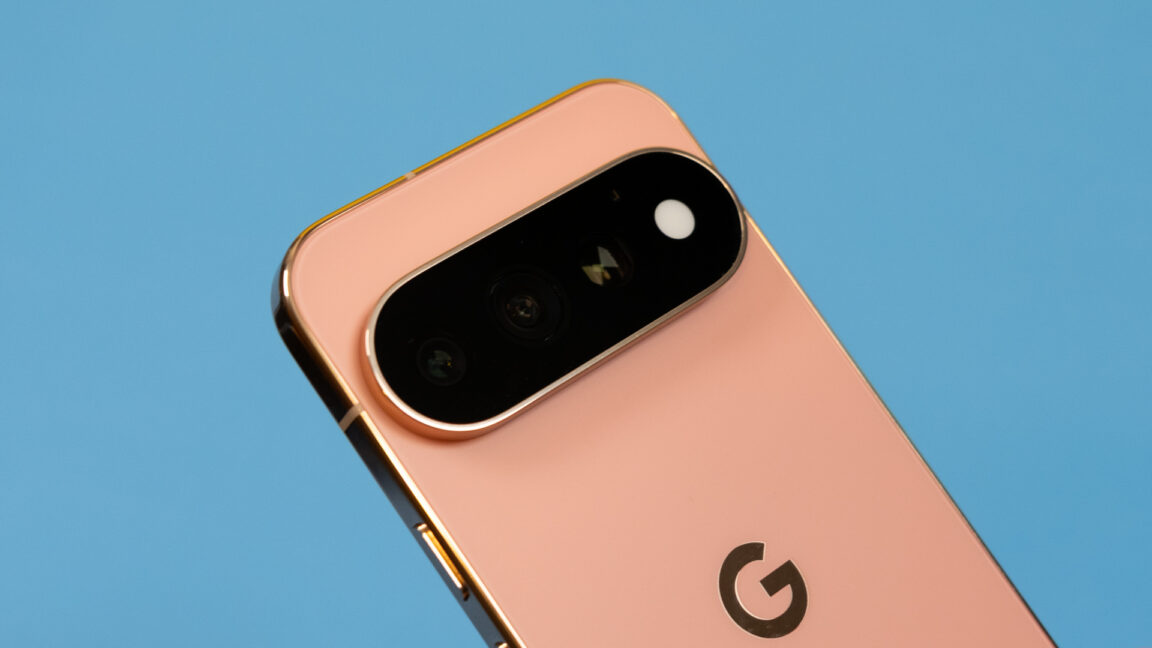
Pixel phones getting new icon styles, Create My Widget, and more in November Pixel Drop
Google's Pixel phones get an update every month, but most are just security patches and bug fixes. The bigger changes are bundled into quarterly Pixel Drops, and one is rolling out today . The update brings a few new things, and many of the Gemini features previously exclusive to
Ars Technica - All content ·