Technology & AI
Google DeepMind just mathematically verified key parts of Signal
Source: Ars Technica - All content · Published

Google DeepMind researchers used agentic AI to mathematically prove, or “formally verify,” a number of the Signal protocol’s key cryptographic guarantees—a landmark development for the widely used cryptography and AI itself. Conducted as a sort of proof-of-concept project in just
Google DeepMind researchers used agentic AI to mathematically prove, or “formally verify,” a number of the Signal protocol’s key cryptographic guarantees—a landmark development for the widely used cryptography and AI itself. Conducted as a sort of proof-of-concept project in just four weeks, the work is significant in two ways. It serves as further independent validation of the cryptography that protects massive quantities of the world's communications on platforms like the Signal app , Google Messages, and WhatsApp.
And it demonstrates Google DeepMind's formal verification capabilities using a new AI framework called AlphaProof Code. More broadly, AI-aided formal verification is having a moment, but it is unclear how practical it will be for widespread use and how effective it can be at securing large amounts of code. Proponents of formal verification have long referred to it as a sort of holy grail in software security, because it uses math to check and validate that software is functioning as intended—in other words, that it doesn't have critical vulnerabilities.
Read full article Comments
Related stories

DeepMind reveals Gemini Robotics 2.5 and open safety benchmark "ASIMOV-jailbreak"
Google DeepMind has revealed a new generation of the AI-powered Gemini Robotics platform. In the 2.5 release, Google says its robotic AI is getting tantalizingly close to completing real-world tasks as well as humans do. In fact, some Gemini robots were able to get actual work do
Ars Technica - All content ·
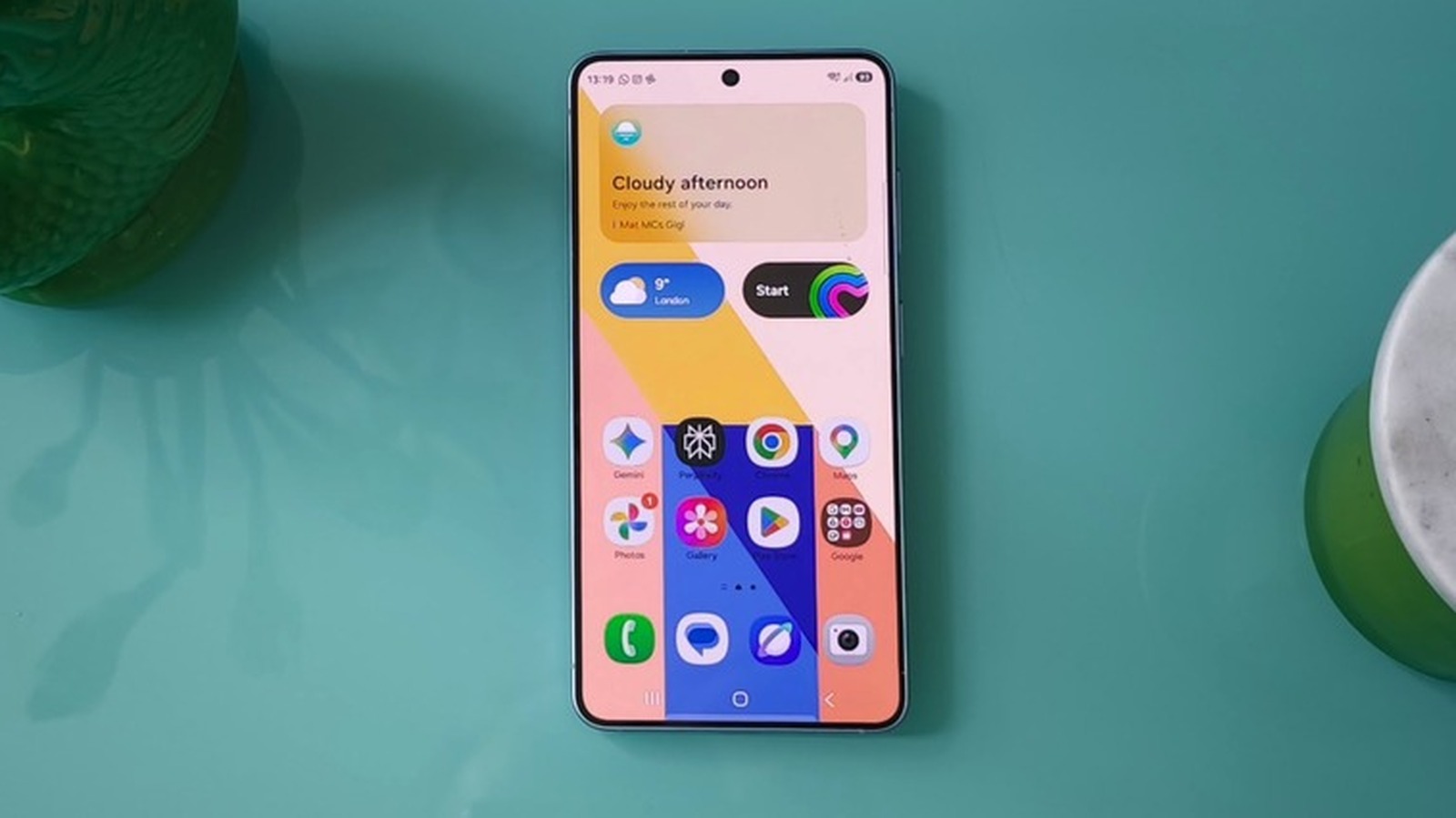
Samsung Gallery now syncs with Google to back up your photos
You can now sync your photos and videos on select Samsung devices to your Google account.
Engadget - Technology News & Expert Reviews ·
Google Fi adds support for a second 5G network, won't say which one
Google has announced a " super network " upgrade for its Fi cell service. For the past few years, Google Fi has operated exclusively on the T-Mobile network, but now it's adding support for a second 5G network. Oddly, Google refuses to say which one. Google's MVNO (mobile virtual
Ars Technica - All content ·
Google broadens its AI hardware portfolio with two new specialized chips
Google's new tensor processing units (TPUs) broaden its chip portfolio to more use cases: confidential model training and more memory capacity.
TechCrunch ·

Google’s AlphaGenome 2 zooms in on the cellular roots of disease
A graphic representing Google’s AlphaGenome Atlas. | Image: Google Researchers at Google DeepMind have unveiled a new AI model designed to unravel how changes in our DNA affect different cells, giving scientists a more detailed view of a notoriously difficult problem that could h
The Verge ·