Technology & AI
Ars Live: What do drone strikes on data centers mean for the future? Talk at 1 pm EST today
Source: Ars Technica · Published

Drone and missile strikes have inflicted unprecedented damage on data centers in Eastern Europe and the Middle East this year, disrupting cloud services for millions of people and permanently deleting some Amazon Web Services customer data. This trend represents a new concern for
Drone and missile strikes have inflicted unprecedented damage on data centers in Eastern Europe and the Middle East this year, disrupting cloud services for millions of people and permanently deleting some Amazon Web Services customer data. This trend represents a new concern for Big Tech companies—but also for governments and everyone else who depends on common digital services in modern life. To explore what this all means for modern society’s reliance on cloud resilience, I will be hosting a live conversation titled "Drone attacks and data centers: New Risks for Big Tech" on Tuesday, November 17 at 1 pm ET with Joseph Jarnecki , a senior research fellow at the Royal United Services Institute (RUSI), a UK defense and security think tank.
He leads RUSI’s work on how cloud services factor into national security and defense, along with tech sovereignty efforts. Jarnecki has done extensive research on how Ukraine strengthened its cloud resilience with Western partners despite facing both cyberattacks and kinetic attacks at the start of the full-scale Russian invasion, and explored what that means for NATO and European governments’ cloud adoption plans. Read full article Comments
Related stories

Uber and Zipline’s drone delivery service takes flight in Houston
Uber Eats is officially launching drone delivery in partnership with Zipline starting Tuesday. The initial rollout begins in the Houston suburb of Spring, Texas, with Dallas next in line and dozens of additional US cities planned. The rollout comes after Uber and Zipline first an
The Verge ·
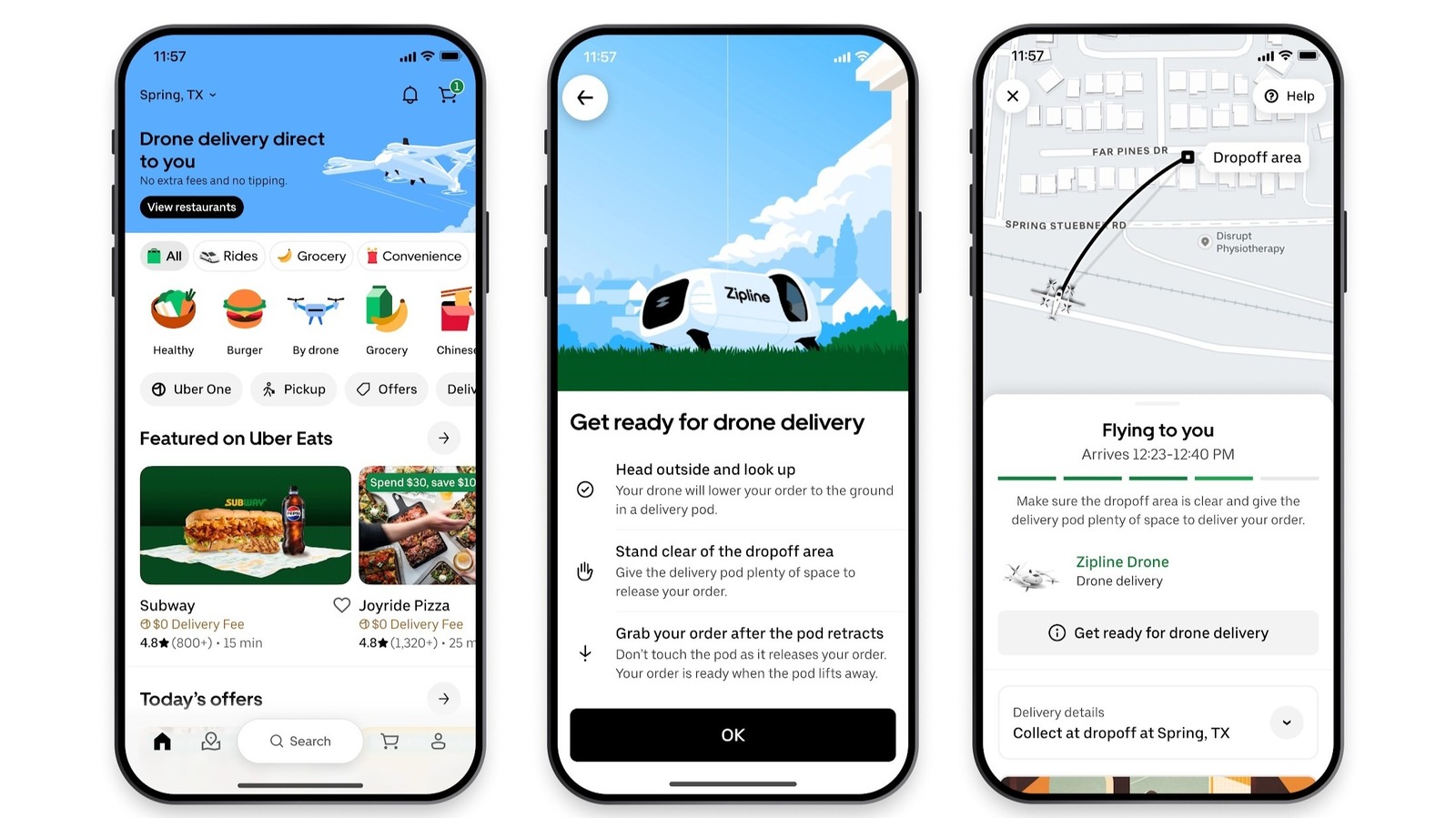
Uber Eats starts drone deliveries in Texas
Uber hopes to hit 1 million daily drone deliveries by 2029.
Engadget - Technology News & Expert Reviews ·
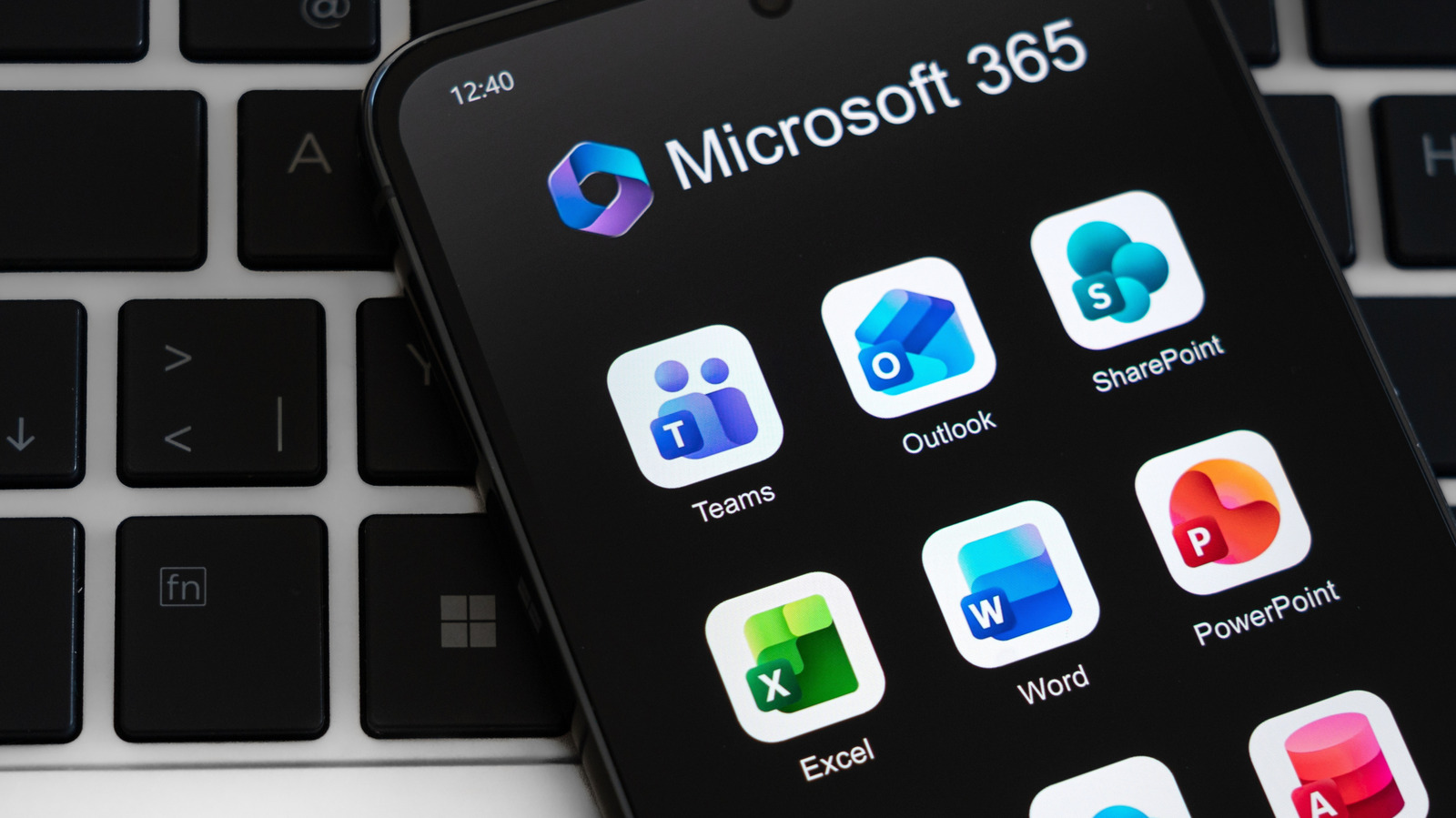
Microsoft reveals that an old bug caused the massive outage that took its services offline
Microsoft has revealed more information on what knocked Teams, Outlook and its other services offline for almost a day.
Engadget - Technology News & Expert Reviews ·
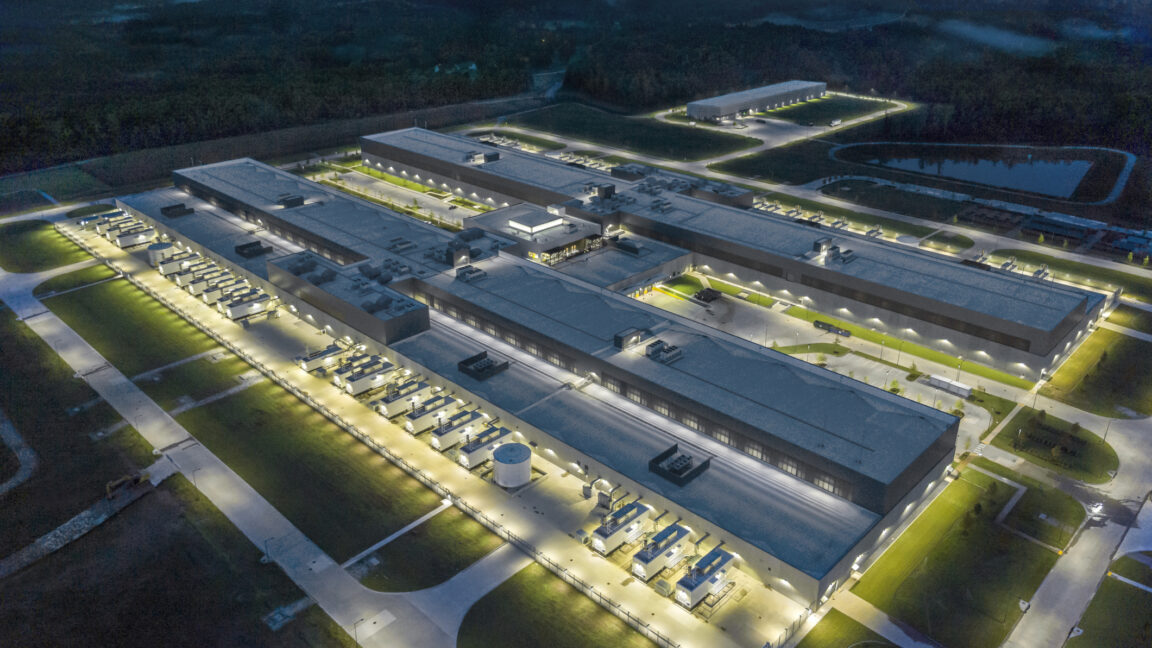
Hyperscale data centers use 2% of US electricity
One flashpoint for the tech industry’s all-in push on large language models has been the sudden rush to turn investment money into hyperscale data centers. The rush hasn’t allowed anyone to plan how to supply the required electricity cleanly or with minimal impact on ratepayers.
Ars Technica ·

Just 400 US Data Centers Use More Electricity Than Michigan
New Harvard research shows that data-center power demand is outstripping states—and that doesn’t even include facilities with off-grid gas plants.
WIRED ·