Technology & AI
Hyperscale data centers use 2% of US electricity
Source: Ars Technica · Published
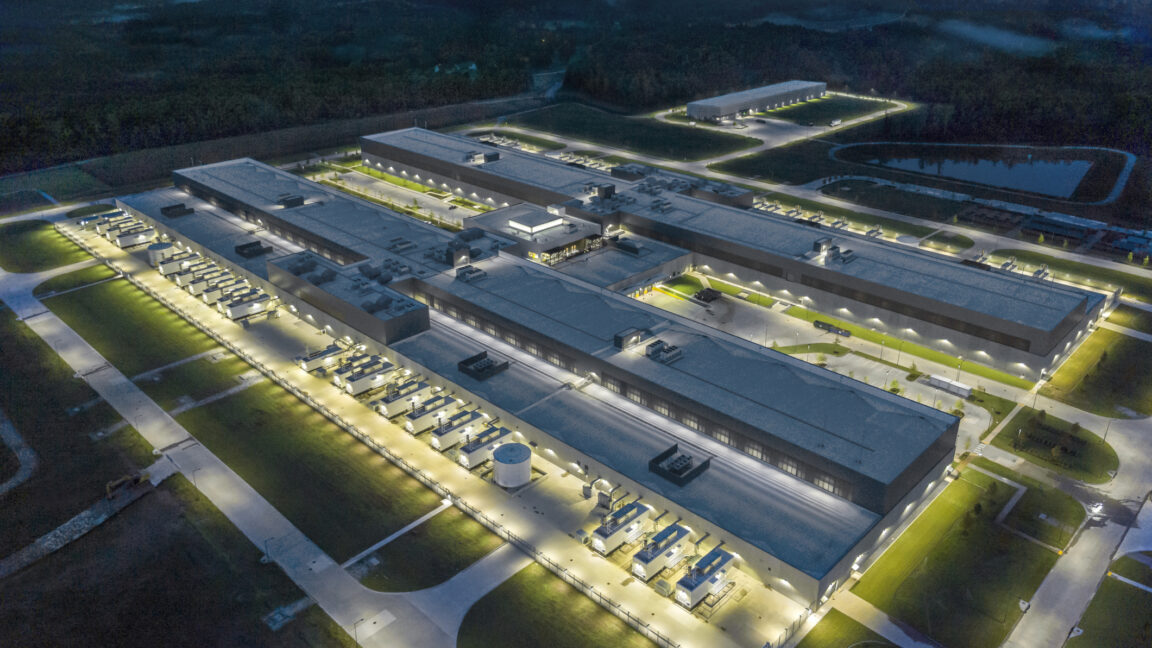
One flashpoint for the tech industry’s all-in push on Large Language Models has been the sudden rush to turn investment money into hyperscale data centers. The rush hasn’t allowed anyone to plan how to supply the required electricity cleanly or with minimal impact on ratepayers.
One flashpoint for the tech industry’s all-in push on Large Language Models has been the sudden rush to turn investment money into hyperscale data centers. The rush hasn’t allowed anyone to plan how to supply the required electricity cleanly or with minimal impact on ratepayers. Instead, it has been difficult to even collect information on what’s being built.
A new study has tallied up energy use and estimated emissions for hyperscalers operating between May 2024 and April 2025 in the United States. They weren’t able to differentiate between AI compute and more traditional data services, but it provides a clear point of reference that could be tracked moving forward. Finding the centers The team started with a list of 675 facilities from a commercial database based on news reports, company statements, and satellite imagery.
They dropped any that didn’t have a reported electrical capacity or that they couldn’t verify was a suitably large building with the expected cooling and electrical connection equipment. That reduced the list to 403 data centers with an average electrical capacity of about 40 megawatts. Read full article Comments
Related stories

Big Nuclear isn’t worried about the Democrats stopping data centers
An aerial view shows storm clouds moving over Constellation's Clinton Clean Energy Center’s single nuclear reactor power plant on July 25, 2025 in Clinton, Illinois. Meta signed a 20-year power purchase agreement with Constellation for the output from the plant. | Image: Getty Im
The Verge ·

Just 400 US Data Centers Use More Electricity Than Michigan
New Harvard research shows that data-center power demand is outstripping states—and that doesn’t even include facilities with off-grid gas plants.
WIRED ·

Millions of Americans are not taking their GLP-1 drugs as prescribed
GLP-1 medications are everywhere these days. The peptide-based drugs are both highly effective and wildly popular for diabetes, weight loss and a growing range of connected chronic health conditions, including cardiovascular disease and obstructive sleep apnea. But, amid the boom
Ars Technica ·

GM to pay $220 million after selling customer Smart Driver data
General Motors marketed its Smart Driver system as a way for parents to monitor teen drivers or for adults to track their driving behavior. But in 2024, it emerged that GM had been sharing that data with brokers. Those brokers then sold the data to insurance companies , and some
Ars Technica - All content ·

One wandering plume may have created several Atlantic volcanic chains
Beneath the North Atlantic Ocean lies a series of underwater volcanic mountain chains stretching from the coast of North America toward the Azores. These include the New England Seamounts and the Great Meteor Seamounts.
Phys.org - latest science and technology news stories ·