العلوم والبيئة
Monarch butterflies get tiny trackers to help scientists follow their mysterious migration
المصدر: Phys.org - latest science and technology news stories · نُشر

As a child, Rebeca Quiñonez-Piñón wondered where monarch butterflies stop for a meal and a night's rest on their long migrations across North America. Now she and other scientists are attaching tiny tracking devices to hundreds of butterflies to find those critical stopover locat
As a child, Rebeca Quiñonez-Piñón wondered where monarch butterflies stop for a meal and a night's rest on their long migrations across North America. Now she and other scientists are attaching tiny tracking devices to hundreds of butterflies to find those critical stopover locations before they disappear.
أخبار ذات صلة
Apple Watch’s AI features for rewinding and recapping conversations begin beta testing
Now in beta: Apple's new Audio Intelligence features can help you remember what someone said or take notes on conversations.
TechCrunch ·
'She's even more explosive': JuJu Watkins is back and maybe better than ever
In March 2025, then-player of the year JuJu Watkins tore her ACL. Now, 588 days later, her journey back to the court is complete.
espn.com ·
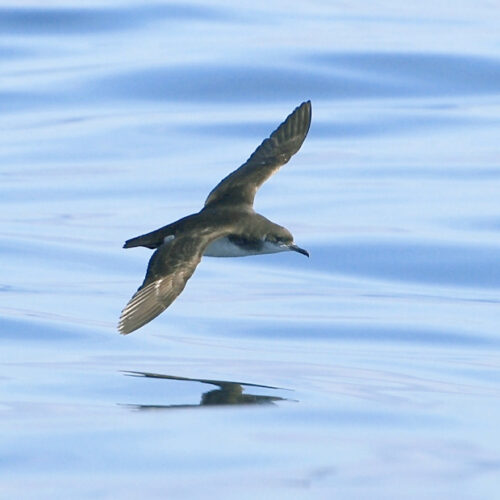
Seabirds racing home over the ocean can get jet-lagged
Flying across several time zones often causes jet lag, a feeling where the body insists it's the middle of the night while the clock says it's lunchtime. Now it turns out this nuisance is not exclusive to humans. A new Science study on Manx shearwaters, seabirds that can fly hund
Ars Technica - All content ·
Coca-Cola hikes earnings outlook, even as it sees lackluster demand in North America
Coca-Cola stock has climbed about 32% so far this year, raising the beverage company's market cap to roughly $398 billion.
Business News ·

Fire losses to U.S. buildings could nearly triple by 2060 without new protections
Fires in the U.S. are getting faster, larger and more dangerous, but people continue to develop and move into fire-prone regions. New research from the University of Colorado Boulder's Cooperative Institute for Research in Environmental Sciences (CIRES) shows that if we don't act
Phys.org - latest science and technology news stories ·