科学与环境
Water into fuel: The new nanomaterial that could upgrade green hydrogen
来源: Phys.org - latest science and technology news stories · 发布于

Generating hydrogen without releasing carbon dioxide sounds simple: pass electricity through water, split water molecules and generate green hydrogen. The hard part is the electrocatalyst. The best ones rely on platinum, ruthenium and iridium, which are scarce and expensive. We w
Generating hydrogen without releasing carbon dioxide sounds simple: pass electricity through water, split water molecules and generate green hydrogen. The hard part is the electrocatalyst. The best ones rely on platinum, ruthenium and iridium, which are scarce and expensive.
We wanted to know whether a small amount of iron and nickel oxides, anchored on carbon nanofibers grown by chemical vapor deposition the right way on the right scaffold, could do the job instead. Our results are published in ACS Applied Nano Materials.
相关报道

Hydrogen production from seawater: Low-cost catalyst could cut energy use and resist corrosion
Using a range of advanced characterization techniques, researchers say they have developed a novel method with the potential to produce hydrogen from seawater using a process that requires less energy, resists corrosion and could support more economical hydrogen production.
Phys.org - latest science and technology news stories ·

Shared aquifers, border hotspots: Cooperation should follow where groundwater is pumped, scientists say
Groundwater depletion and groundwater-dependent irrigation tend to concentrate close to international borders within aquifers shared by two or more countries, where pumping on one side is more likely to affect users on the other, according to a publication by the United Nations U
Phys.org - latest science and technology news stories ·

Keeping water molecules connected reduces carbon electrode corrosion
Carbon is inexpensive, conductive, and widely used in technologies such as fuel cells and water electrolyzers. But under strongly oxidizing conditions, carbon electrodes gradually corrode.
Phys.org - latest science and technology news stories ·
Alaska’s monster tsunami sent water 1,580 feet up a mountain
A massive landslide in Alaska triggered the second-highest tsunami ever recorded, sending water and debris 1,580 feet up a mountainside just hours after tourists visited the area. Scientists discovered that the disaster was preceded by several warning signs, including rapid glaci
All Top News -- ScienceDaily ·
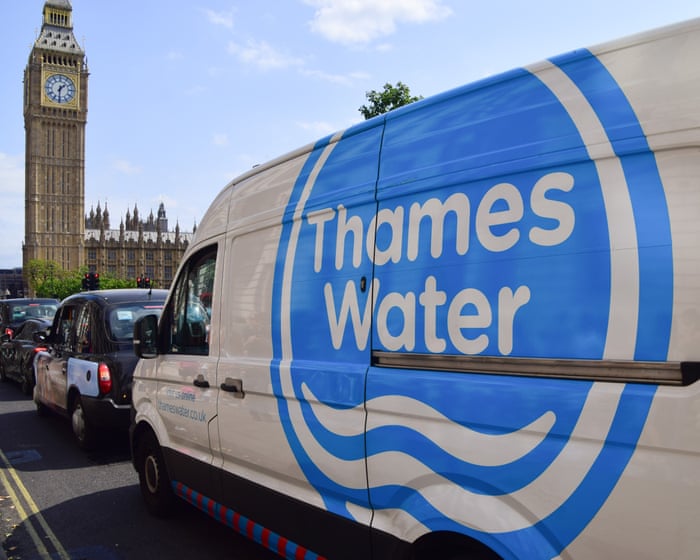
The regime change we need for Thames Water | Letters
Terry Barker says nationalisation changes who owns the shares, it does not change the rules, while James Wallace says the powers to intervene already exist. Plus a letter from Philip Clayton Andy Burnham’s instruction to officials to look at all options for Thames Water and not f
Business | The Guardian ·