科学与环境
Using AI to predict how bioplastics behave under heat
来源: Phys.org - latest science and technology news stories · 发布于

A new ANIPH study shows how machine learning models can predict how PHB and PHBV respond to heat, helping manufacturers design formulations that are easier to process.
A new ANIPH study shows how machine learning models can predict how PHB and PHBV respond to heat, helping manufacturers design formulations that are easier to process.
相关报道
Using miles to fly for Thanksgiving? These are the most expensive and cheapest routes
Thanksgiving airfare will cost more than last year as fares rise and strong demand continues.
Business News ·
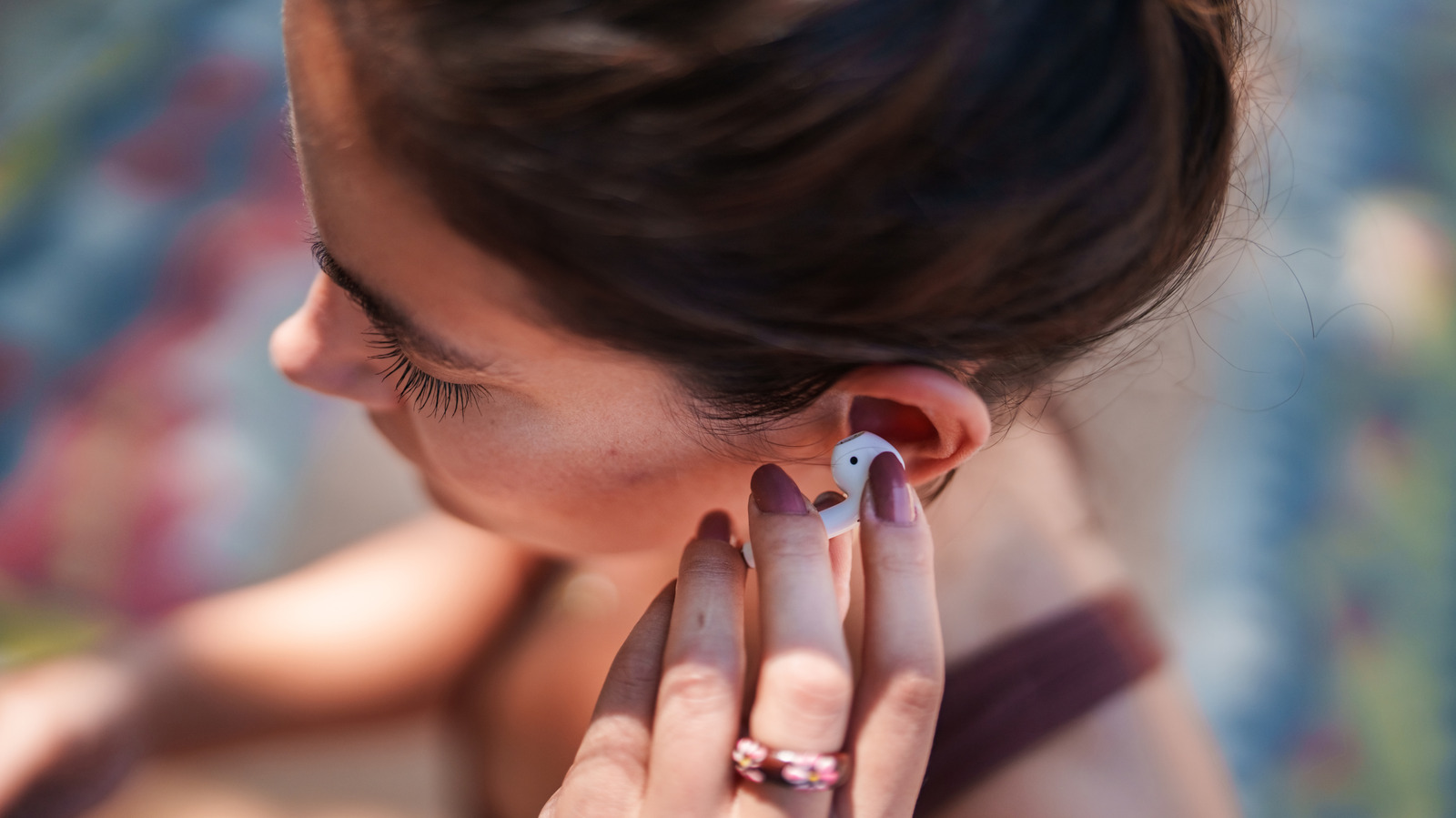
How using one earbud more than the other can cause uneven wear and tear
Using one earbud may feel like the natural choice at times, but the reality is that it can chip away at their lifespan if you don't kick the habit.
Engadget - Technology News & Expert Reviews ·

2021 heat dome a 'near miss' as study suggests overlooked historic heat wave could offer valuable lessons
A new study suggests that the impacts of the 2021 heat dome could have been much worse for British Columbians, despite its widespread devastation, when compared to a previously overlooked heat wave during World War II.
Phys.org - latest science and technology news stories ·
Alzheimer’s may have early warning signs outside the brain
A surprising discovery suggests that some early signs of Alzheimer’s disease may begin outside the brain. Using miniature laboratory systems made from human cells, scientists found that genetic mutations associated with inherited Alzheimer’s can disrupt nerve-to-muscle connection
All Top News -- ScienceDaily ·
SLAC scientists find conclusive proof of a mysterious third type of magnetism
For nearly 90 years, scientists believed magnetism fell into just two categories, but researchers have now confirmed a remarkable third type called altermagnetism. Using specialized X-rays, they uncovered a unique magnetic signature that proves these materials behave differently
All Top News -- ScienceDaily ·