科技与人工智能
US data centers now burn more electricity than a midsized country
来源: The Verge · 发布于

Fossil fuels are still the biggest source of electricity for hyperscale data centers in the US, a new paper published in the journal Nature Sustainability shows. They likely burn through more electricity collectively than many countries do, resulting in a serious amount of greenh
Fossil fuels are still the biggest source of electricity for hyperscale data centers in the US, a new paper published in the journal Nature Sustainability shows. They likely burn through more electricity collectively than many countries do, resulting in a serious amount of greenhouse gas emissions. The study homes in on hyperscale facilities - the massive structures spanning millions of square feet that developers are racing to build in large part to support generative AI.
Researchers say the findings show that there's a lot of work left to do to cut down pollution stemming from AI's reliance on fossil fuels. "We tend to discuss AI's envir … Read the full story at The Verge.
相关报道

OpenAI wants to stop deepfakes from overwhelming child abuse tiplines
OpenAI is announcing a tool that it says will help child sexual abuse investigators cut through the noise to find harmful material they can act on quickly. At a Monday press briefing in Washington, DC, OpenAI announced a classifier it says can better detect abusive imagery of kid
The Verge ·
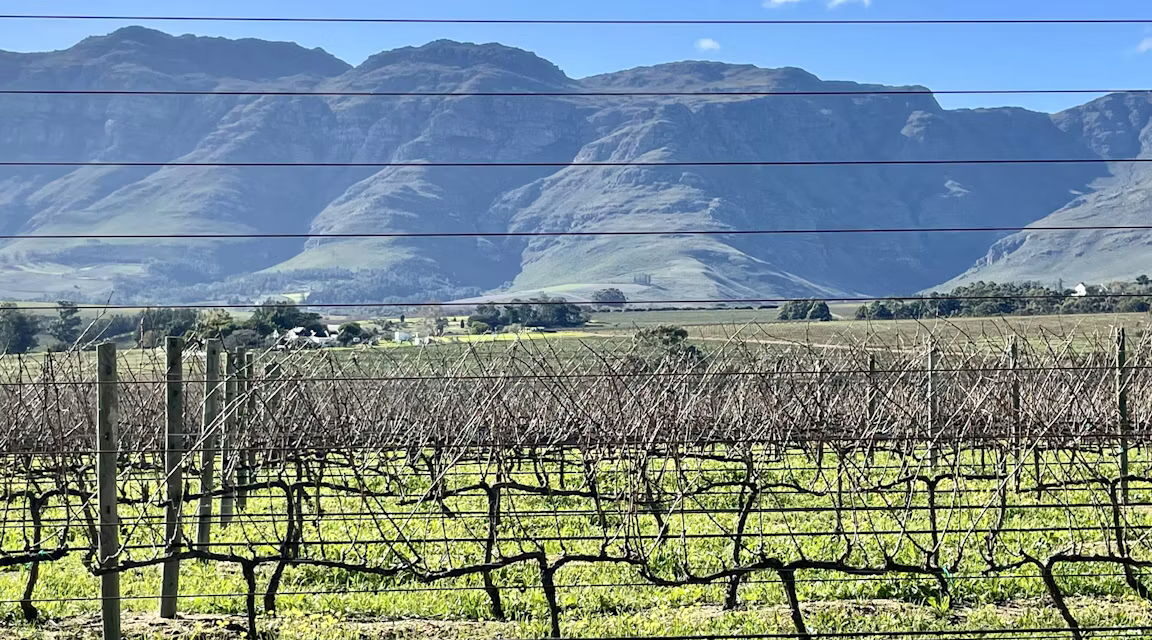
Winemakers are learning that conservation can be good for business
More than 500 vineyards are scattered across the slopes and valleys of South Africa’s Western Cape , one of the world’s most biologically diverse landscapes. The region produces about 90 percent of South Africa’s wine , but winemakers there are increasingly struggling with drough
Ars Technica ·

Hackers steal $6.3 billion from Binance in record crypto heist
Binance has suspended all withdrawals after the world’s largest cryptocurrency exchange fell victim to what appears to be the biggest heist in history. The exchange put the “estimated total impact” of the hack at about $6.3 billion and said around $3 billion of affected assets, m
Ars Technica - All content ·

Root and mycelium pathways shape soil carbon dynamics in hyper-arid regions
Researchers led by professor Zeng Fanjiang and associate professor Gao Yanju from the Xinjiang Institute of Ecology and Geography of the Chinese Academy of Sciences (XIEG) have revealed the contrasting yet complementary roles of plant roots and mycorrhizal mycelia in shaping soil
Phys.org - latest science and technology news stories ·
Hidden ecosystem: Scientists discover 245 animals living inside a single deep-sea rock
Deep beneath the Pacific Ocean, scientists have discovered tiny hidden ecosystems inside metal-rich rocks that take millions of years to form. Researchers examined 244 nodules and found more than 4,100 animals living in their cracks and cavities, including unique communities unli
All Top News -- ScienceDaily ·