国际新闻
University of Cambridge scientist among those who died in Spanish train crash
来源: feeds.bbci.co.uk · 发布于

Marta Shahbazi was an "inspiring, talented and passionate scientist", says the laboratory where she worked.
Marta Shahbazi was an "inspiring, talented and passionate scientist", says the laboratory where she worked.
相关报道
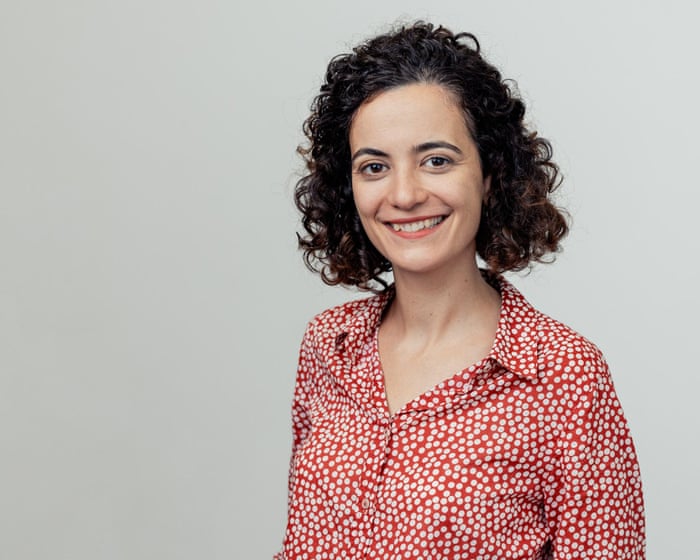
Tributes paid to ‘inspiring’ Cambridge scientist who died in Spain train crash
Dr Marta Shahbazi was travelling to a conference to receive award for scientific excellence in developmental biology An “inspiring” University of Cambridge scientist died in the Spanish train collision on Wednesday that killed at least 69 people. Dr Marta Shahbazi , an affiliate
World news | The Guardian ·
Scientists use sound waves to deliver a new attack on deadly brain cancer
Scientists at the University of Virginia have developed a promising new strategy to fight glioblastoma, one of the deadliest and most difficult-to-treat forms of brain cancer. Their experimental approach combines focused ultrasound, tiny nanoparticles, and genetic molecules calle
All Top News -- ScienceDaily ·

Rare fossil discovery reveals new dinosaur species that specialized in eating fruit
Among the ravenous carnivores and lumbering herbivores that roamed the Cretaceous landscape, another kind of dinosaur was evolving that started to eat something else: the plants that began to flower and produce fruit. The discovery by paleontologists from Stony Brook University,
Phys.org - latest science and technology news stories ·
A surprising vitamin A discovery is changing what scientists know about vision
Scientists at Johns Hopkins University have uncovered a surprising process that helps humans develop sharp vision before birth, challenging decades of assumptions about how the eye forms. Using miniature human retinas grown in the lab, researchers discovered that a vitamin A deri
All Top News -- ScienceDaily ·
Physicists created a tiny universe and watched time emerge without a clock
Scientists have created a miniature universe in the laboratory that could help answer one of the biggest mysteries in physics: What is time, and where does it come from? Using 24,000 ultracold atoms, a University of Birmingham researcher built an isolated quantum system that repe
All Top News -- ScienceDaily ·