科技与人工智能
The "shameful" measles data that lost the US its elimination status
来源: Ars Technica · 发布于
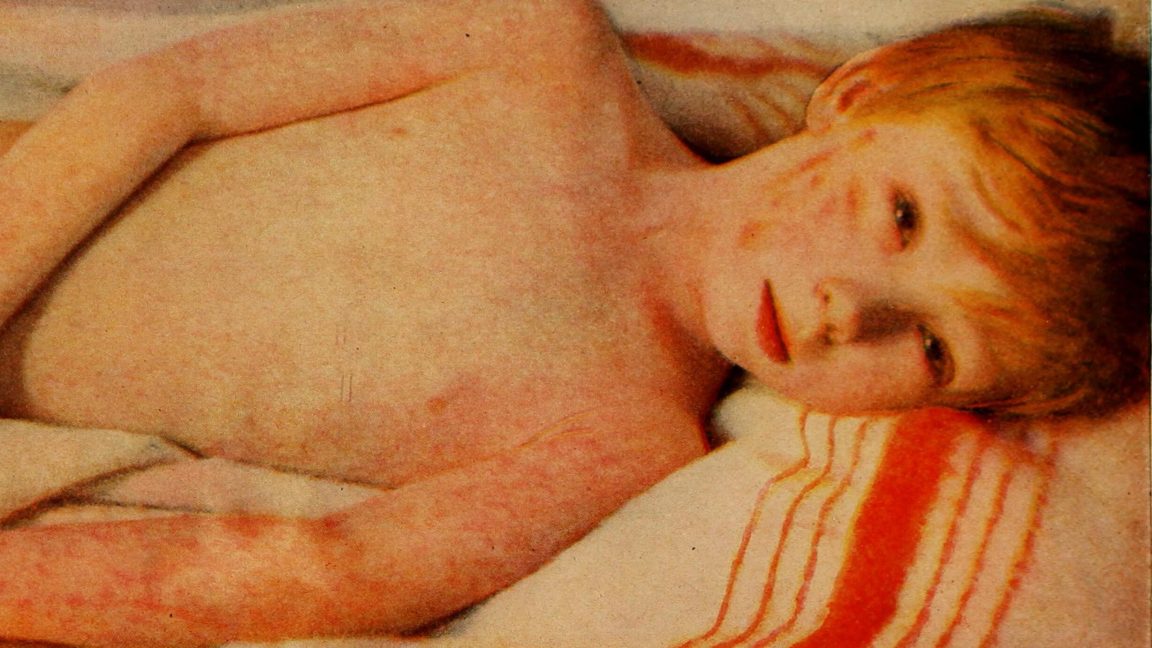
International health authorities formally announced on Tuesday that the US has lost its measles elimination status, a hard-fought public health triumph won in 2000 after decades-long vaccination efforts. The loss had been widely expected by public health experts for months, and t
International health authorities formally announced on Tuesday that the US has lost its measles elimination status, a hard-fought public health triumph won in 2000 after decades-long vaccination efforts. The loss had been widely expected by public health experts for months, and the decision was leaked by the press last week. Still, having the designation officially stripped stings.
After the announcement Tuesday, public health experts, doctors, and political leaders decried the dramatic backslide for the US, calling it " shameful " and a " national embarrassment ." News articles point to the staggering vertical rise of measles cases this year, currently over 5,400 cases , more than any other year since 1991. An explosive measles outbreak in Pennsylvania accounts for over 1,500 of those cases . There have been 10 confirmed deaths across three states, several deaths just in the last week.
But the measles data that caused the US to lose its status—the bits of it that are public at least—paint a darker picture of where the US is in its rematch with measles, the most contagious virus known on Earth. For one thing, almost none of the data from this year—the cases, the explosive Pennsylvania outbreak, the deaths—factored in to the loss. It was lost earlier.
What's happening now is a runaway epidemic. Read full article Comments
相关报道
A 'canary in the coal mine': Measles resurgence exposes weaknesses in U.S. public health, experts say
The measles resurgence exposes the U.S.' public health weaknesses, such as declining vaccination rates and waning trust in health institutions, experts say.
Business News ·

‘I’m heartbroken’: experts dismayed as US loses long-held measles elimination status
Public health leaders condemn ‘significant damage’ by Trump administration as calls grow for RFK Jr to resign Doctors and public health leaders expressed grief and alarm at the loss of US measles-free status, a hard-won public health victory that once made the US a leader in infe
World news | The Guardian ·
Measles is surging in the U.S. — and outbreaks can cost millions
A new tool developed by Johns Hopkins researchers estimates that the 2025 measles outbreak in the U.S. carried an economic cost of more than $37 million.
Business News ·

Tech lawsuits defined 2026 — and lawmakers want more
With just a few weeks remaining, lawmakers are trying to pass new protections for victims of online harm before the end of 2026, targeting deepfake creators and online platforms that block users from filing lawsuits. On Tuesday, members of a Senate Judiciary subcommittee hosted a
The Verge ·

Nvidia says it does not intend to reinstate Jensen Huang as CEO
Starting Nvidia's quarterly earnings call on Tuesday, new board chair Harvey Jones said that when former CEO Jensen Huang resigned, "the Nvidia board unanimously accepted his resignation and does not intend to reinstate Jensen as CEO." Jones added, "We will not be addressing or t
The Verge ·