科学与环境
The first stand-alone nuclear clock is ticking in Vienna
来源: Phys.org - latest science and technology news stories · 发布于

For decades, researchers around the world have been working toward this goal—and now major advances are following in rapid succession. Vienna is now home to the world's first nuclear clock that stabilizes itself, as atomic clocks typically do. This system has been shown to remain
For decades, researchers around the world have been working toward this goal—and now major advances are following in rapid succession. Vienna is now home to the world's first nuclear clock that stabilizes itself, as atomic clocks typically do. This system has been shown to remain stable for more than 24 hours without intervention, and the related findings are published in the journal Nature.
相关报道

Nuclear traces in whales' teeth help scientists reconstruct their life stories
New analysis of traces of radioactive fallout from nuclear weapons testing trapped in the teeth of stranded whales has helped scientists reconstruct their life stories.
Phys.org - latest science and technology news stories ·
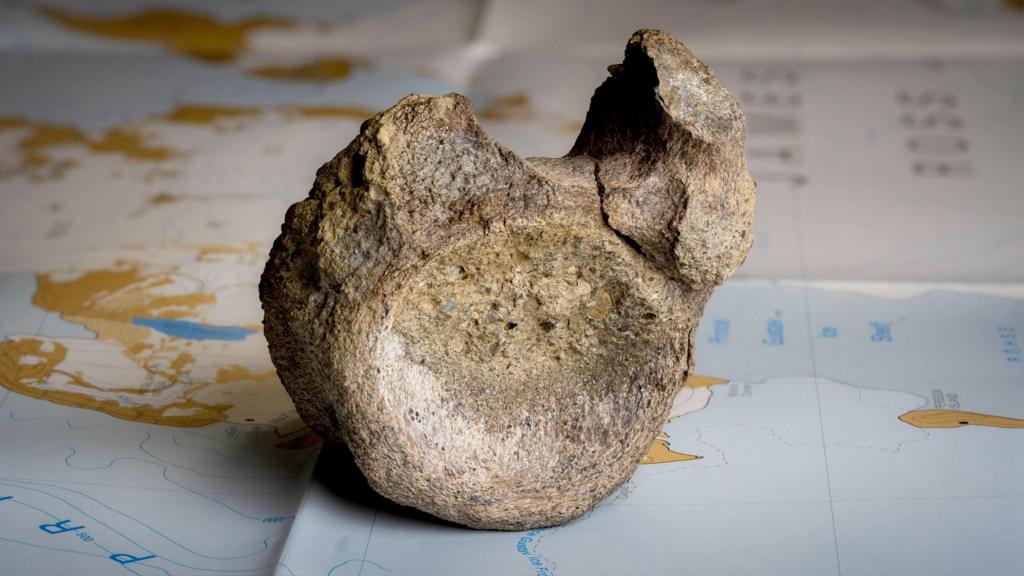
First dinosaur bone from Antarctica found in a drawer
The fossil, collected in Antarctica in 1985, is part of the tail of a beast called a Titanosaur.
feeds.bbci.co.uk ·

Tropical Storm Isaias forecast to become first Atlantic hurricane of 2026
El Niño has led to an eerily quiet season so far but the first Atlantic hurricane of the year is now set to impact the southern USA.
feeds.bbci.co.uk ·
Bats may have first evolved in Europe 65 million years ago
A huge genomic and fossil study suggests bats first evolved in Europe around 65 to 60 million years ago before spreading across the globe. The findings also indicate that flight and echolocation emerged near the beginning of bat evolution, potentially helping explain how bats bec
All Top News -- ScienceDaily ·
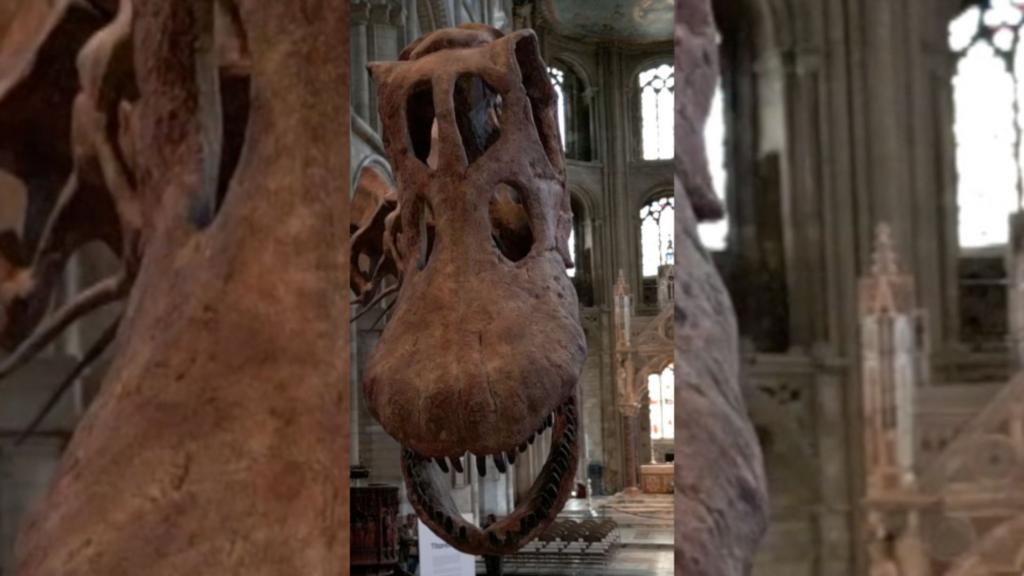
Fossil identified as first dinosaur ever found in Antarctica
Argentinian geologist Eduardo Olivero became the first scientist to find the remains of a dinosaur in Antarctica in 1986.
feeds.bbci.co.uk ·