科技与人工智能
The Dark Side of the Moon Was the Brightest Part of 2026
来源: WIRED · 发布于

Through personality clashes, blaring smoke detectors, and a broken pee vent, the Artemis II astronauts made history—and bonded for life.
Through personality clashes, blaring smoke detectors, and a broken pee vent, the Artemis II astronauts made history—and bonded for life.
相关报道

What is Nasa's Artemis III mission? And what comes next?
Artemis III will help test crucial systems needed for the planned Artemis IV Moon landing in 2028.
feeds.bbci.co.uk ·
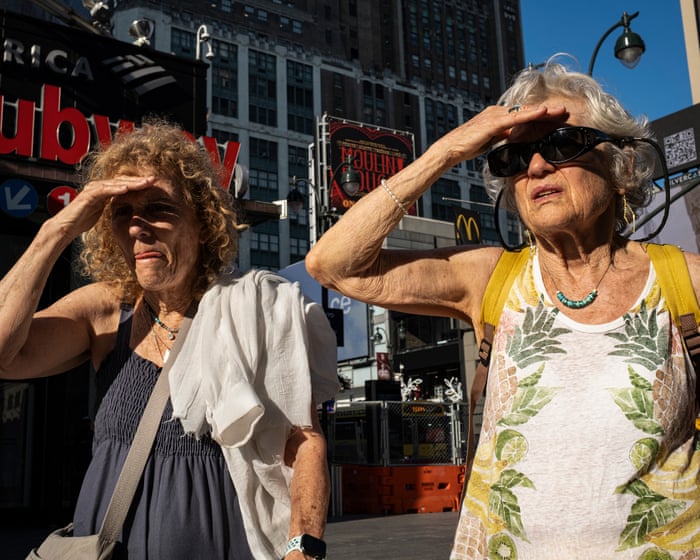
Street photography through an Australian lens – in pictures
From a sleepy restaurant to a climbing leopard, the Australian Street Photography awards celebrate the best contemporary street photos taken by Australians. Twenty-five finalists have been selected by an independent jury through Aussie Street, a platform for photographers. The pi
Culture | The Guardian ·
A butterfly that fooled scientists for 200 years finally reveals its secrets
Researchers have discovered that a familiar tropical butterfly actually belongs to three nearly identical species, including one previously unknown to science. Hidden ultraviolet wing patterns and DNA differences revealed the truth, leaving scientists puzzled about how the butter
All Top News -- ScienceDaily ·

Punks, sex workers and society in transition: documenting postwar Japan – in pictures
A Long Shadow: Postwar Japan Through the Lens will be the first show of Japanese photography in more than three decades at New York’s Metropolitan Museum of Art. The exhibit brings together 15 intergenerational artists as well as photographic prints, including more than 25 books
Culture | The Guardian ·
NASA’s Artemis I mission reveals surprising radiation levels near the Moon
NASA’s Artemis I mission has revealed that cosmic radiation near the Moon is higher than in Earth orbit, but not by as much as scientists might expect. Tiny experimental detectors also uncovered surprising details about how radiation passes through the human body, offering valuab
All Top News -- ScienceDaily ·