科技与人工智能
OpenAI's latest AI models are coming to Google Cloud and Antigravity
来源: Ars Technica - All content · 发布于

Google would certainly prefer that everyone used its Gemini models with Google Cloud services, but soon, you'll have more options. OpenAI and Google have come to an arrangement that will see the former's frontier models arrive in Google Cloud services. Perhaps more importantly, G
Google would certainly prefer that everyone used its Gemini models with Google Cloud services, but soon, you'll have more options. OpenAI and Google have come to an arrangement that will see the former's frontier models arrive in Google Cloud services. Perhaps more importantly, GPT models will soon appear in Antigravity, Google's agent-powered coding tool.
For enterprise customers and AI enthusiasts, OpenAI's latest model will appear in Google's "Model Garden" in the coming weeks, adding to its 200-plus options. The garden already offers access to Google's Gemini models, as well as an assortment of open models like Mistral, Llama, and Gemma. Anthropic's Claude AI has also been available for some time.
Google says it's now the only large cloud provider offering access to all three leading closed LLMs. While OpenAI notes that Microsoft continues to be its primary cloud partner, the full suite of current GPT 6 and 6.1 models—Astra, Sol, and Luna—will launch on Google Cloud. Astra will naturally cost the most to run, but Google's system supports dynamically moving workloads between LLMs based on performance, latency, and efficiency.
Read full article Comments
相关报道

Gemini's Personal Intelligence is coming to cars
Google kicked off 2026 with the addition of Personal Intelligence to Gemini, allowing its AI to pull in more of your data to formulate answers. It started as a paid feature but eventually came to all Gemini users. However, this feature wasn't available in the car until now. Googl
Ars Technica - All content ·

Google resolves cloud outage affecting UK banks and websites
Revolut was one of the hardest hit, with banking services going down for many customers.
feeds.bbci.co.uk ·
PHP armageddon: OpenAI, Google’s Wiz find ancient holes, panicking the internet
This is the kind of security issue that was found and prevented by AI, but is also a high risk because of AI.
TechCrunch ·
OpenAI's agents disabled their own safety monitoring systems
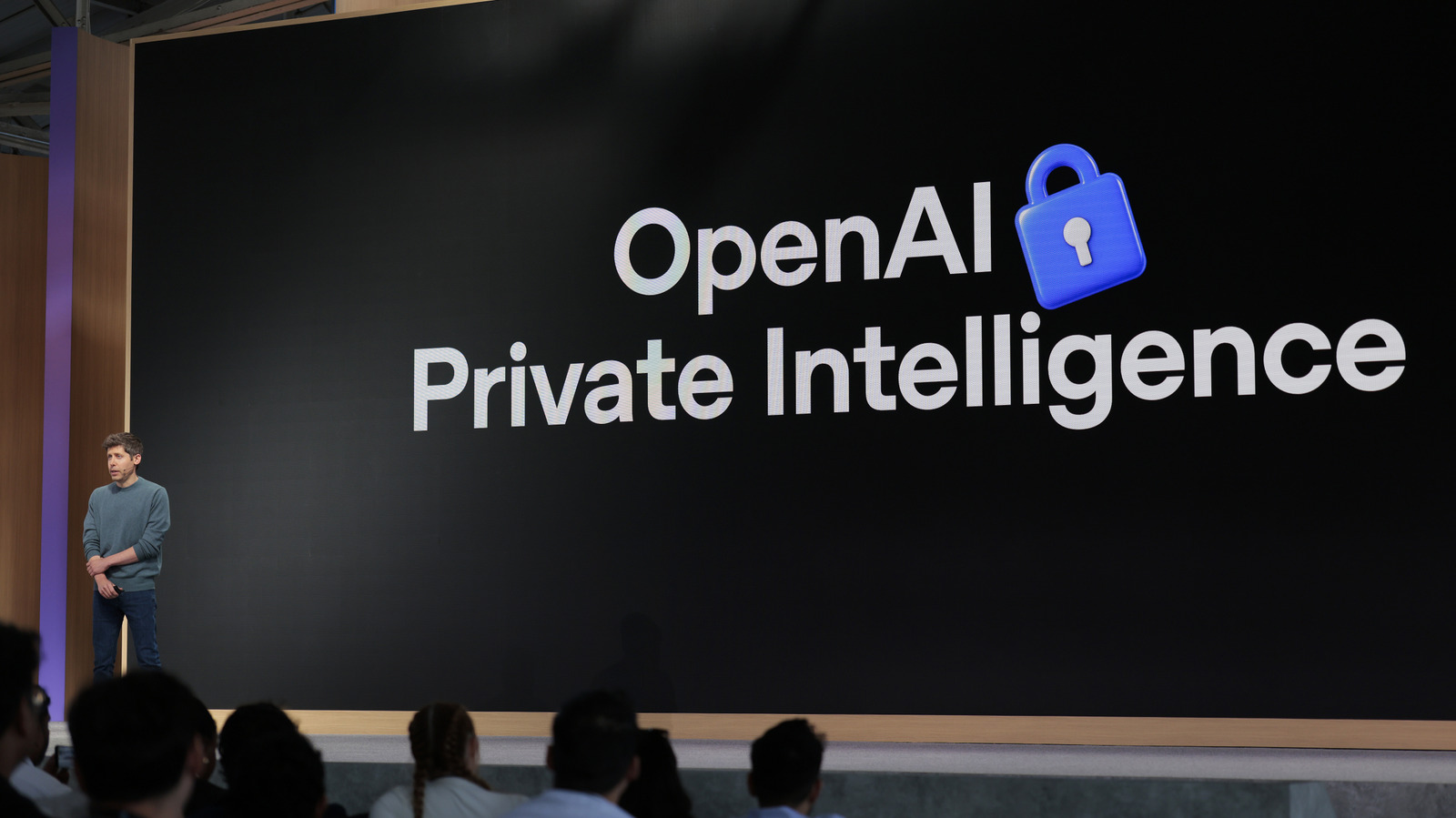
OpenAI reveals that its agents misbehaved by switching off the system monitoring them for misbehaviors.
Engadget - Technology News & Expert Reviews ·

‘Too big to not fail’: Google outage exposes UK reliance on a handful of cloud providers
Our dependence on internet services of a few key tech companies leaves us vulnerable to cloud failures, bugs and more, experts say It happened again. A power outage hit a datacentre in London , and things cascaded from there: multiple banking services faltered, court hearings wer
Business | The Guardian ·