科技与人工智能
Neanderthal wooden tools from Spain found preserved in stone
来源: Ars Technica - All content · 发布于
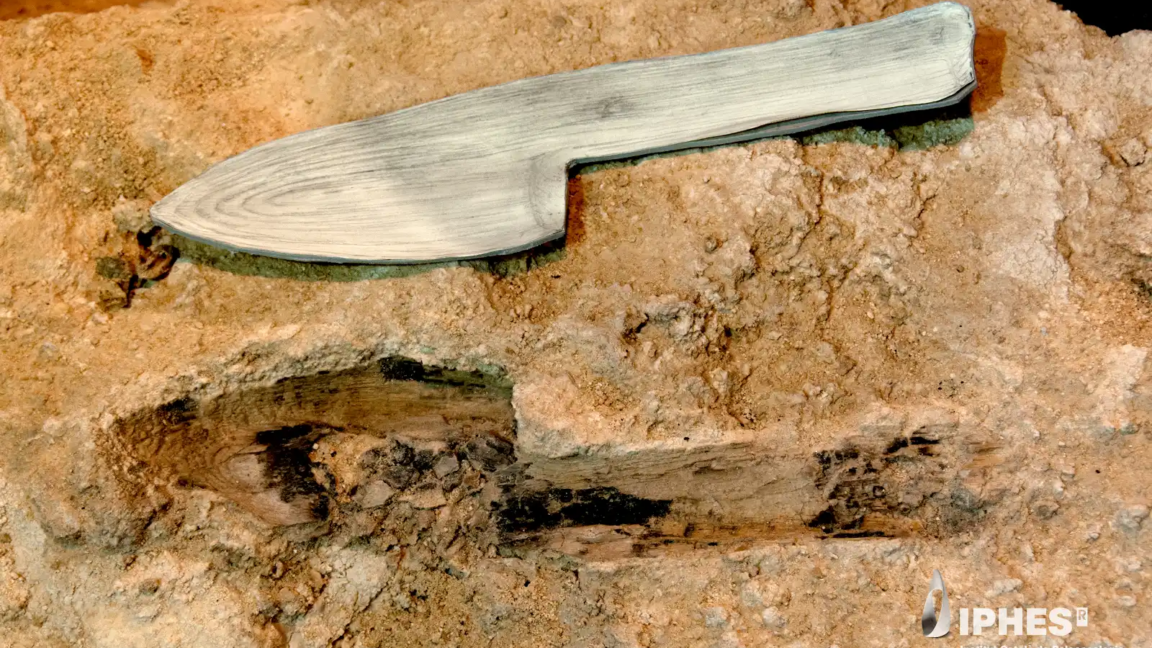
The Stone Age owes its name to tools that survived to our time. The material early humans worked with most, though, was probably wood because it is so much easier to process. Unfortunately, we know very little about Paleolithic woodwork because wood rots relatively quickly. But a
The Stone Age owes its name to tools that survived to our time. The material early humans worked with most, though, was probably wood because it is so much easier to process. Unfortunately, we know very little about Paleolithic woodwork because wood rots relatively quickly.
But at Abric Romaní, a rock shelter in Capellades, west of Barcelona, mineral-rich water coated wooden Neanderthal tools in a limestone-like crust. When wood rotted away, it left behind hollow molds that faithfully reflect its shape. In a recent Science Advances study, a team of Spanish archaeologists has cataloged 597 wooden remains from Neanderthal living areas dating from 62,000 to 40,000 years ago.
They found spears, digging sticks, bark trays, parts of shelters, and a club unlike anything seen before, suggesting Neanderthals were likely much more than just Homo sapiens’ dumber cousins. Beyond hunting gear The oldest wooden artifacts we have are mostly weapons. They include spears from a German town called Schöningen, a spear tip from Clacton-on-Sea in England, and the spear found alongside an elephant skeleton in Lehringen, Germany.
Most came from waterlogged sediments, where a lack of oxygen slowed decay. Read full article Comments
相关报道
What can the USWNT learn from World Cup champions Spain?
The No. 2-ranked U.S. women's national team faces No. 1-ranked Spain. What can the Americans learn from soccer's new standard bearers?
espn.com ·

Spain battles climate change on several fronts
A summer of wildfires and heatwaves underlines the threats to the country's economy.
feeds.bbci.co.uk ·
Hayes: USWNT needs collective effort to top world No. 1 Spain
United States women's national team head coach Emma Hayes said it will take a collective effort on both sides of the ball to defeat world No. 1 Spain.
espn.com ·
How will Spain’s housing crisis affect elections?
Snap vote called after Parliament rejects measures to protect tenants and freeze rents.
Al Jazeera – Breaking News, World News and Video from Al Jazeera ·
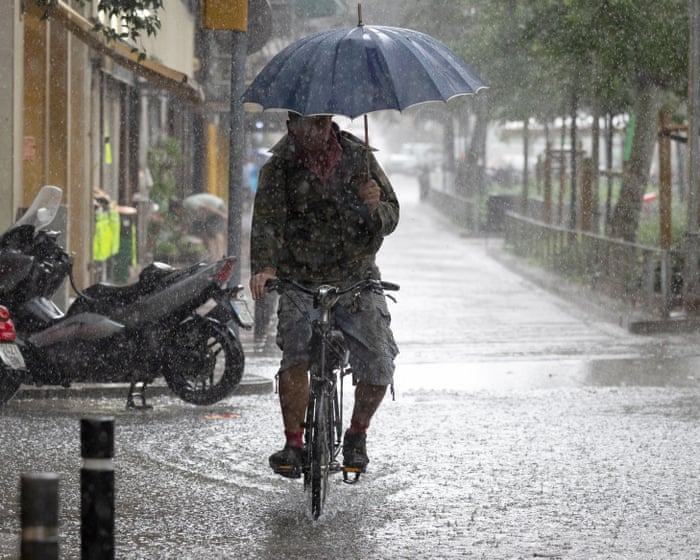
Eastern Spain braces for torrential rain and flooding
Up to 300mm of rain could fall in places, while extreme downpours bring landslides and deaths in Nepal Torrential rain and potentially damaging flooding are forecast in eastern Spain over the coming days, as cold upper air moves over the warm, humid surface air of the Mediterrane
World news | The Guardian ·