科技与人工智能
NASA's Voyager 1 space probe is now one light-day away from Earth
来源: Engadget - Technology News & Expert Reviews · 发布于
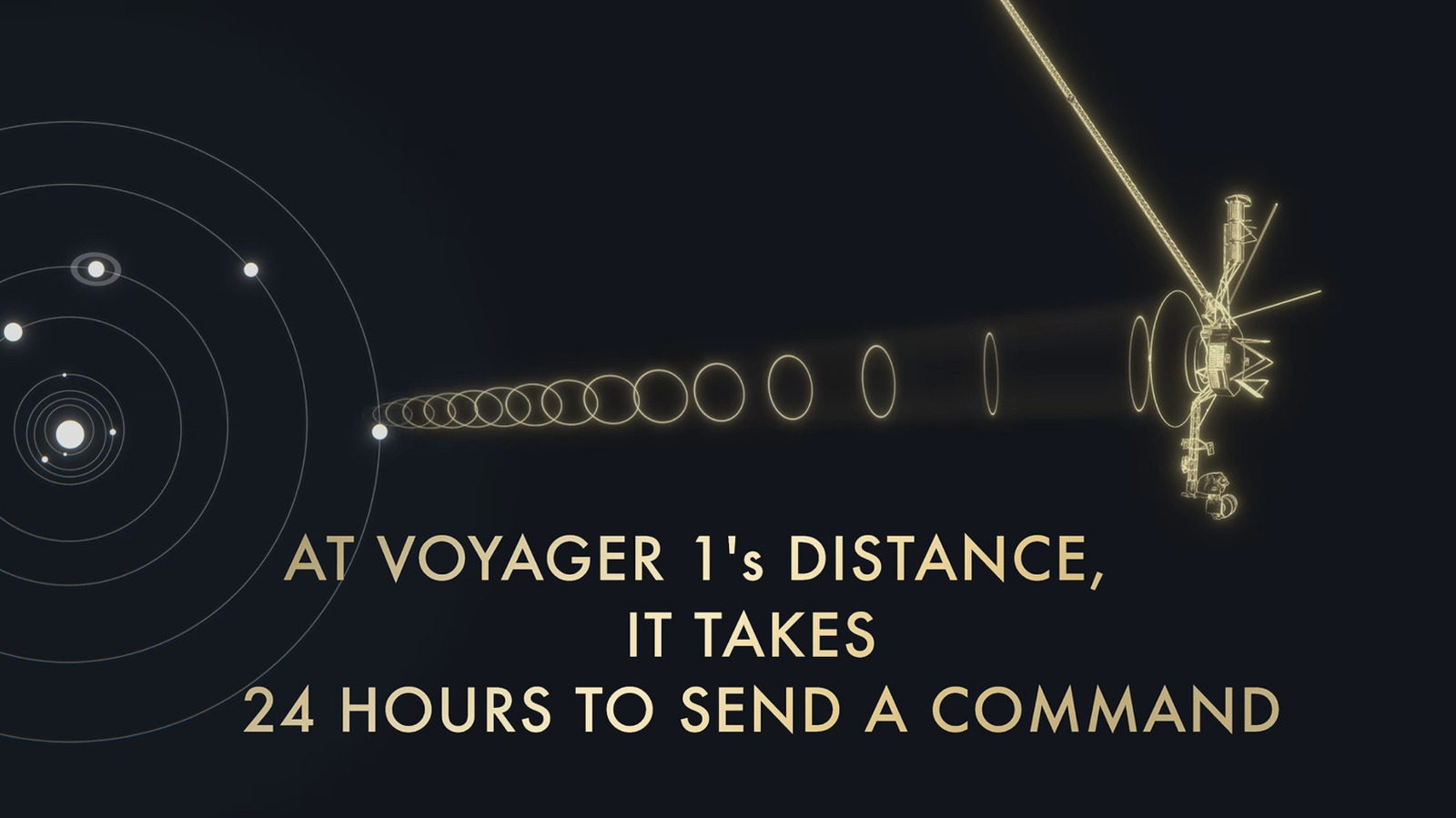
It now takes 24 hours to send a message to Voyager 1, as it reaches a distance that's one light-day away from our planet.
It now takes 24 hours to send a message to Voyager 1, as it reaches a distance that's one light-day away from our planet.
相关报道

NASA’s Voyager 1 probe is now one light-day away
Voyager 1 has traveled further than any other man-made object. | Photo by NASA/Hulton Archive/Getty Images After traveling through the void of space for 49 years, Voyager 1 has hit a momentous milestone: the spacecraft is now officially one light-day away from Earth, which is, as
The Verge ·

Voyager 1 Beat the Odds and Is Still Working a Light-Day Away From Earth
The spacecraft stores data on an eight-track tape, but it’s managed to stay in contact with scientists for decades. Now, it’s the first human-made object to travel a light-day away from Earth.
WIRED ·

How one nuclear blast could cripple nearly every satellite in low Earth orbit
We rely on satellites every day for communications, weather forecasts and security, and more than 13,000 are currently circling the planet in low Earth orbit. But they could be more vulnerable than previously thought. Researchers have found that a single nuclear explosion in spac
Phys.org - latest science and technology news stories ·
The Sun unleashed a monster storm. Earth may have made it worse
The massive solar storm that illuminated skies worldwide in May 2024 has uncovered an unexpected twist: Earth's own atmosphere may have helped make the storm so powerful. Satellite measurements revealed that roughly 85% of the charged particles fueling the disturbance originated
All Top News -- ScienceDaily ·
Meteors don't just burn up. What really happens is far more violent
Scientists have uncovered seven surprising stages that space rocks go through as they hurtle toward Earth, revealing that melting and violent fragmentation, rather than simple evaporation, determine their fate. The discovery could help explain why meteorites scatter across the gr
All Top News -- ScienceDaily ·