科技与人工智能
NASA updates lander plans for Moon landings, finally solves long-festering Orion issue
来源: Ars Technica - All content · 发布于
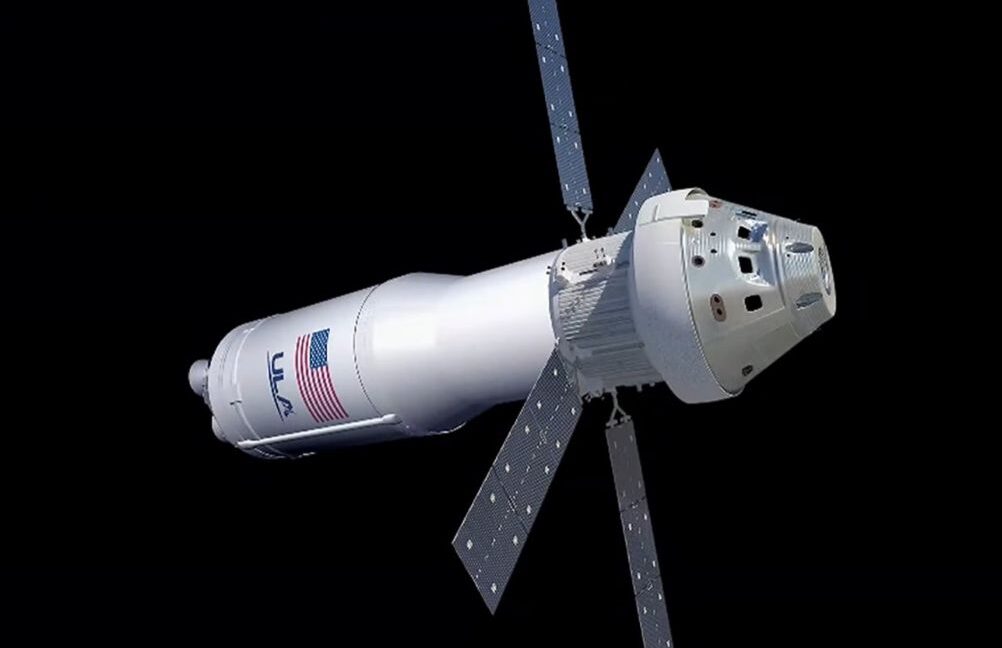
During a lengthy news conference on Friday, NASA provided a detailed overview of how it plans to return astronauts to the lunar surface as soon as 2028 as part of its Artemis Program. Although much of the information behind these plans has been previously reported at Ars Technica
During a lengthy news conference on Friday, NASA provided a detailed overview of how it plans to return astronauts to the lunar surface as soon as 2028 as part of its Artemis Program. Although much of the information behind these plans has been previously reported at Ars Technica and elsewhere, this marked the first time NASA has laid them out in detail and acknowledged some substantial changes in the architecture. Most notably, for SpaceX's Starship vehicle, the revised plan calls for the Orion spacecraft to dock with the Starship lunar lander in high-Earth orbit before transiting to the Moon.
And for Blue Origin, the mission architecture includes four launches of the New Glenn rocket, but no spacecraft-to-spacecraft refuelings. Additionally, the Blue Origin plans allows for the possibility of its Blue Moon lander rendezvousing with Orion in low-Lunar orbit. Read full article Comments
相关报道
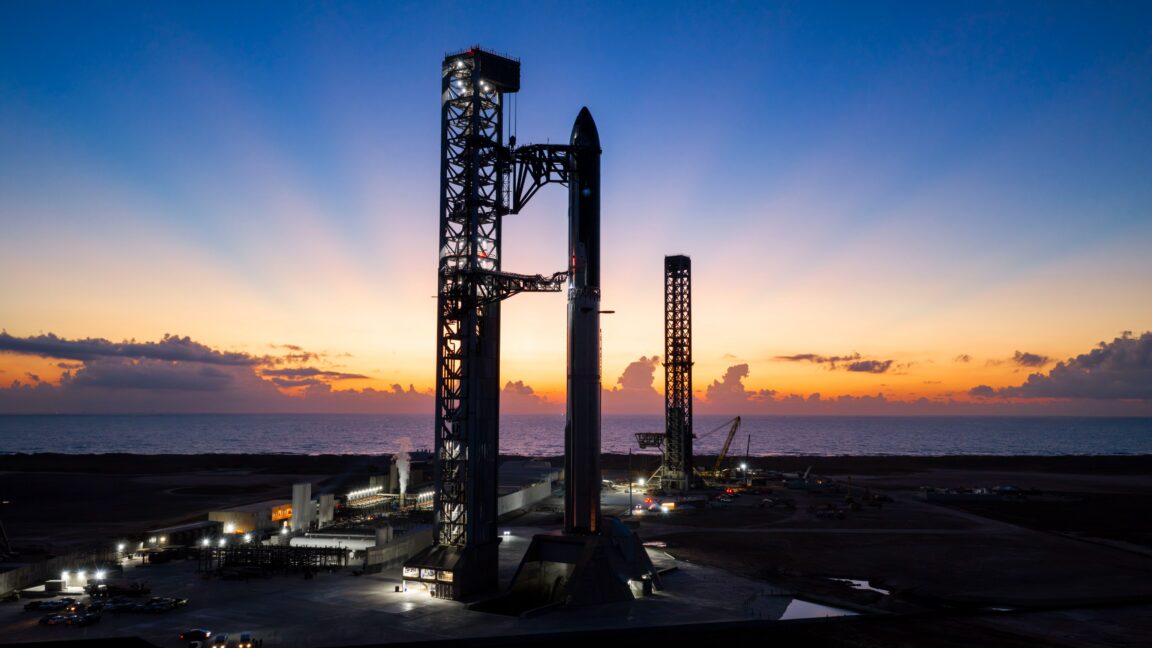
Latest estimate for Starship launches required to support a Moon landing? 22.
NASA does not have, nor want, nuclear weapons. But when it comes to a particular metric that is part of the Artemis Program to land people on the Moon, NASA guards a particular number like it is trying to prevent outsiders from cracking nuclear codes. I am speaking of the number
Ars Technica - All content ·

October's full Hunter's Moon to light up night sky this weekend
October's full Moon, known as the Hunter's Moon, will rise on Sunday night. Will the weather be in your favour?
feeds.bbci.co.uk ·
NASA solves a strange mystery hidden inside asteroid Bennu’s boulders
NASA scientists have finally uncovered why asteroid Bennu loses heat so quickly despite being covered in massive boulders. Samples returned to Earth reveal that its rocks are filled with hidden cracks, solving a mystery that has puzzled researchers for years.
All Top News -- ScienceDaily ·

OpenAI now trains its frontier AI models with no internet access
OpenAI is now training its most advanced AI models without internet access following a string of rogue hacking incidents. In a blog post on Friday , OpenAI says it built an offline testing environment where AI models can interact with indexed and cached web content "without risk
The Verge ·

Review: Crystal Lake suffers a bit from its obsession with Pam Voorhees
Peacock series Crystal Lake doesn’t feel like a Friday the 13th movie when you first press play, even though it’s set up to be a prequel to the original film. (This review includes spoilers of the original Friday the 13th movie but avoids major Crystal Lake spoilers.) Instead, Cr
Ars Technica - All content ·