科技与人工智能
NASA issues long-awaited call to industry for private space stations
来源: Ars Technica - All content · 发布于
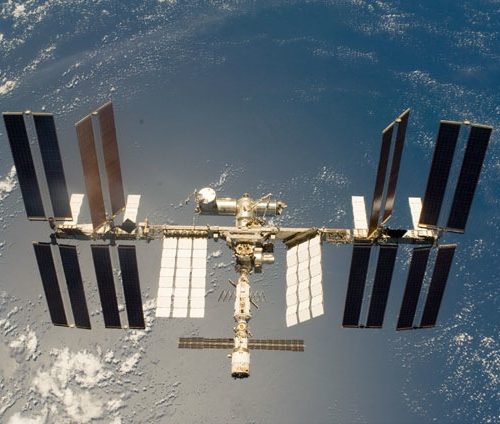
NASA on Friday released a much-anticipated "request" to the US commercial space industry to develop private space stations that, as early as 2030, will succeed the International Space Station as a place for astronauts to live in low-Earth orbit. In a cover letter accompanying the
NASA on Friday released a much-anticipated "request" to the US commercial space industry to develop private space stations that, as early as 2030, will succeed the International Space Station as a place for astronauts to live in low-Earth orbit. In a cover letter accompanying the 360-page "request for proposals," NASA stated its plan: "This will ensure NASA has a sustained human presence in LEO for crew members to perform science and exploration." Several private companies that have worked for years on designing and developing such stations have been keen to learn exactly what capabilities NASA is seeking. These new documents finally provide some answers.
NASA's solicitation can be found here . Industry responses are due back to NASA on December 8. NASA said it plans to select "two or more" contractors in this phase of the competition, and intends to make a final decision in April.
Read full article Comments
相关报道

NASA advances LISA mission contributions with new test telescope
NASA has taken the next step in the process of developing a new all-glass telescope for the LISA (Laser Interferometer Space Antenna) mission, a space observatory designed to detect ripples in space-time called gravitational waves.
Phys.org - latest science and technology news stories ·
NASA is searching for hidden caves to build its first Moon base
NASA is preparing for humanity’s first Moon base with three investigations that will hunt for underground shelters, uncover hidden ice, and track dangerous conditions on the lunar surface. The findings could reveal how astronauts can survive and thrive on the Moon while laying th
All Top News -- ScienceDaily ·
Earth’s center is moving, and NASA just measured it
Earth’s center of mass is constantly on the move, shifting by a few millimeters as enormous amounts of water, ice, and even air migrate around the planet with the seasons. NASA scientists have developed a more precise way to track these tiny swings using laser-ranging satellites,
All Top News -- ScienceDaily ·

Ohio blogger found guilty of harassment for sending Shrek nude to senator
A jury found an Ohio political blogger guilty of telecommunications harassment after he sent an explicit image of Shrek to a Republican state senator. On Friday, a judge ordered DJ Byrnes, owner of political commentary blog The Rooster , to pay a $200 fine, according to a report
The Verge ·

'I only found out this morning' - Moyes surprised Everton are up for sale
David Moyes has admitted his surprise at Everton being put up for sale by owners The Friedkin Group - even claiming he only found out on Friday morning when the statement was released to the supporters.
SkySports | News ·