科技与人工智能
Milt Windler, NASA flight director who helped save Apollo 13, dies at 94
来源: Ars Technica - All content · 发布于
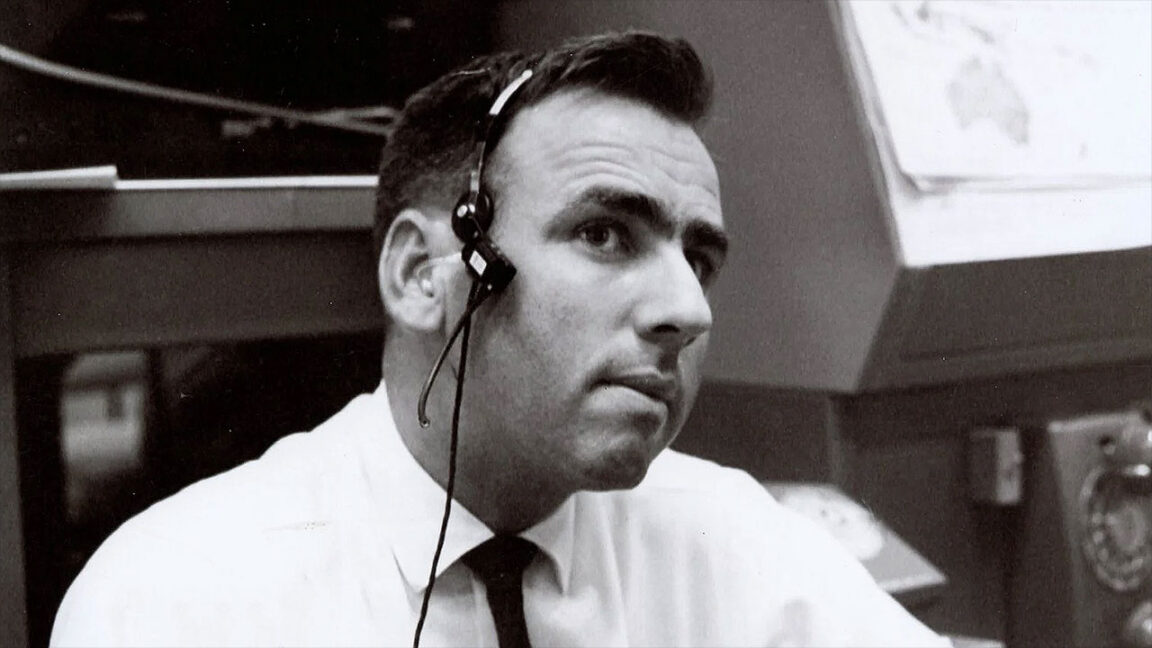
Milt Windler, one of the four leaders of Mission Control who in 1970 directed the round-the-clock efforts to bring the Apollo 13 astronauts back to Earth safely, has died at the age of 94. Windler died on Thursday , surrounded by his loving family, according to a brief notice pos
Milt Windler, one of the four leaders of Mission Control who in 1970 directed the round-the-clock efforts to bring the Apollo 13 astronauts back to Earth safely, has died at the age of 94. Windler died on Thursday , surrounded by his loving family, according to a brief notice posted online. Named a NASA flight director in 1968 after working on recovery operations during the Mercury and Gemini programs, Windler also led a shift of flight controllers for the Apollo 8 first circumlunar flight and Apollo 10 lunar landing dress rehearsal, as well as the second, third and fourth moon landings — Apollo 12, Apollo 14 and Apollo 15.
He then served as a flight director for all three crewed missions to the United States' first space station, Skylab. Read full article Comments
相关报道

Nasa heads to Scottish Highlands in its search for life on Mars
The US space agency says ancient rocks at Clachtoll have similarities to those on the Red Planet.
feeds.bbci.co.uk ·


Medical plane with 6 on board missing off Massachusetts coast
The aircraft lost communication with flight controllers after significantly dropping in altitude, according to flight data.
feeds.bbci.co.uk ·

Team selected for NASA program to explore potential lunar cave
NASA has selected a Planetary Science Institute–led proposal to investigate whether a potentially large underground cave extends beyond the opening of a lunar pit. Such a cave may one day provide a safe haven for astronauts to escape the radiation and extreme temperature swings p
Phys.org - latest science and technology news stories ·
NASA’s Roman telescope just opened its planet-hunting eye
NASA’s Roman Space Telescope has demonstrated remarkable pointing stability and given its powerful planet-imaging coronagraph its first look at the cosmos. The telescope can already stay locked on a target with precision comparable to aiming a laser at a dime from about 150 miles
All Top News -- ScienceDaily ·