科学与环境
First-in-kind data set reveals insights across the world's national and regional economies
来源: Phys.org - latest science and technology news stories · 发布于

The University of Virginia has published the Global Capitalism Index (GCI), a first-in-kind data set offering unprecedented insights into the globe's capitalism conditions in every country. Assembled from more than two hundred data sets across eight key pillars, the GCI's country
The University of Virginia has published the Global Capitalism Index (GCI), a first-in-kind data set offering unprecedented insights into the globe's capitalism conditions in every country. Assembled from more than two hundred data sets across eight key pillars, the GCI's country-by-country scores offer an array of ways to understand capitalism around the world.
相关报道
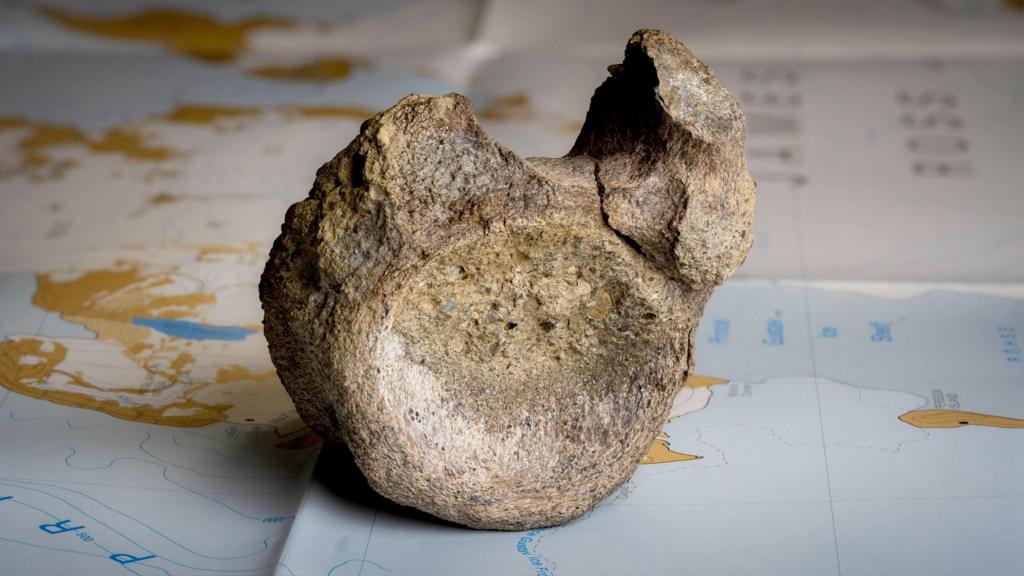
First dinosaur bone from Antarctica found in a drawer
The fossil, collected in Antarctica in 1985, is part of the tail of a beast called a Titanosaur.
feeds.bbci.co.uk ·

First global genome atlas reveals overlooked microscopic life in hundreds of lakes and reservoirs
Tiny single-celled organisms help keep lakes clear, but some can also contaminate the water. An international research team has analyzed DNA data from 362 lakes to create the first global genome atlas of these organisms. With the findings now published in Nature Communications, t
Phys.org - latest science and technology news stories ·

Tropical Storm Isaias forecast to become first Atlantic hurricane of 2026
El Niño has led to an eerily quiet season so far but the first Atlantic hurricane of the year is now set to impact the southern USA.
feeds.bbci.co.uk ·
Bats may have first evolved in Europe 65 million years ago
A huge genomic and fossil study suggests bats first evolved in Europe around 65 to 60 million years ago before spreading across the globe. The findings also indicate that flight and echolocation emerged near the beginning of bat evolution, potentially helping explain how bats bec
All Top News -- ScienceDaily ·
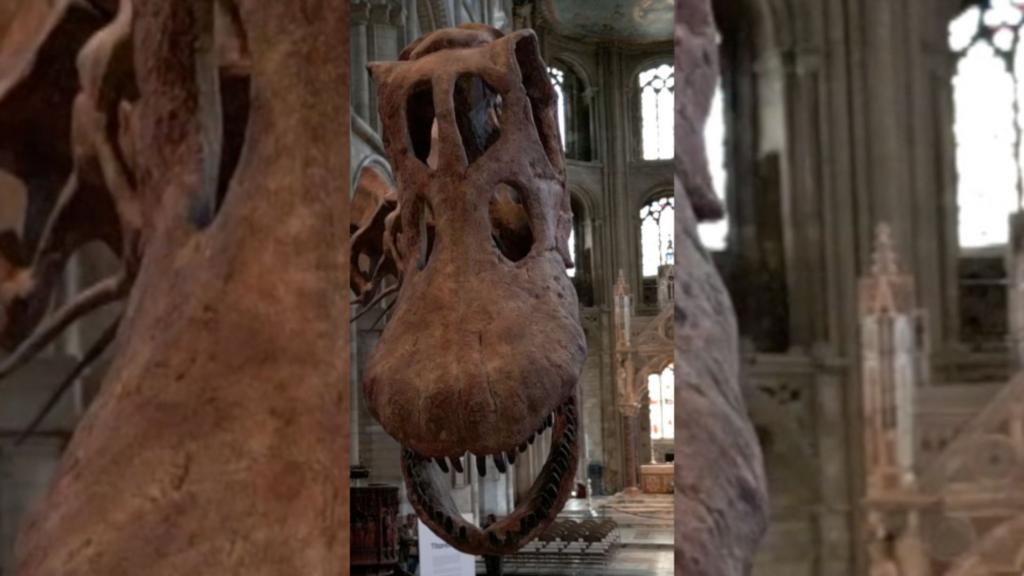
Fossil identified as first dinosaur ever found in Antarctica
Argentinian geologist Eduardo Olivero became the first scientist to find the remains of a dinosaur in Antarctica in 1986.
feeds.bbci.co.uk ·