科技与人工智能
F1 in Mexico City: Yet another Ferrari fiasco, but that’s not all
来源: Ars Technica - All content · 发布于
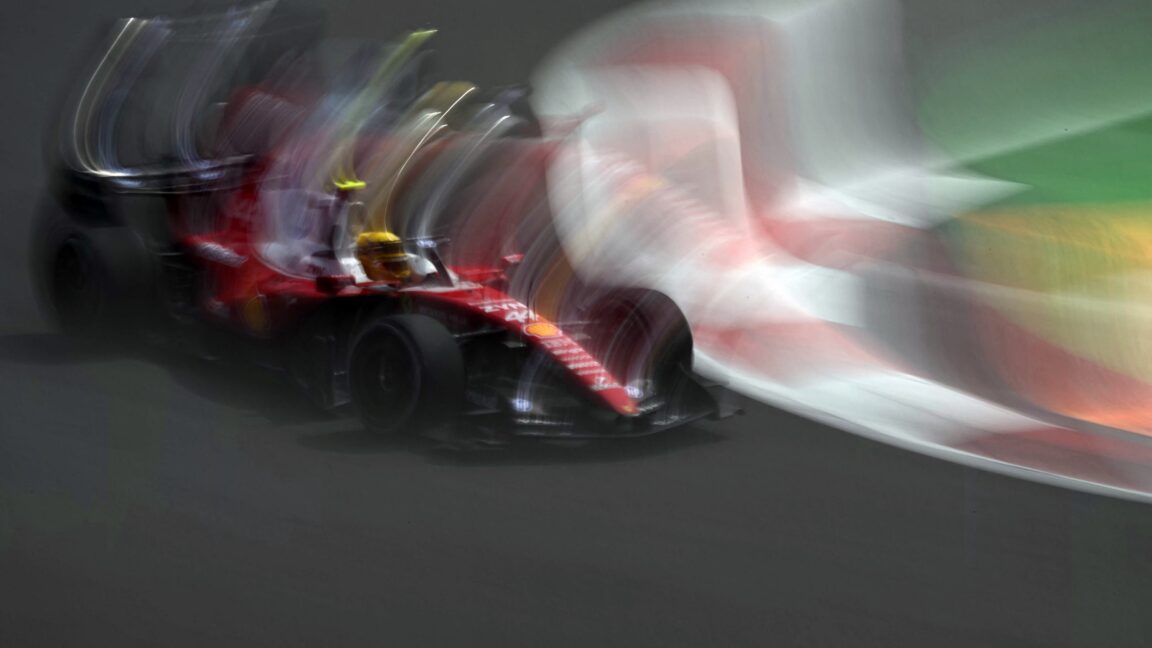
Formula 1 has a new World Drivers' Champion. Just a few months after turning 20, Kimi Antonelli sealed his first title this weekend at Mexico City, becoming the sport’s youngest-ever champion. Elsewhere, there was drama aplenty, perhaps a consequence of the thin air affecting dec
Formula 1 has a new World Drivers' Champion. Just a few months after turning 20, Kimi Antonelli sealed his first title this weekend at Mexico City, becoming the sport’s youngest-ever champion. Elsewhere, there was drama aplenty, perhaps a consequence of the thin air affecting decision-making in some cases.
The race was Ferrari’s to win, but yet again, the team handed victory to a rival this season, in this case Red Bull. Further down the grid, we saw a last-minute driver change in the Haas team, synchronized retirements from both Aston Martins, and the wheels literally coming off Cadillac Racing. And there was I, expecting a dull weekend.
It might not be as high as Pikes Peak , but at an elevation of 7,350 feet (2,240 m) above sea level, the Autódromo Hermanos Rodríguez provides a unique challenge on the F1 calendar. Wings that would create huge amounts of downforce at circuits like Monaco just generate Monza-like levels in Mexico, and there’s little slipstream effect when following another car. Cooling tends to be a problem, too, with insufficient airflow across radiators, and obviously engine power is reduced with less oxygen to burn.
The track is very flat, with a rather low-grip surface and mostly medium- and slow-speed corners, including a processional route through a stadium that was built in the 1990s, plus a very long run from the start into turn 1. Read full article Comments
相关报道

How much do you know about F1 champion Antonelli?
Kimi Antonelli has been crowned Formula 1 world champion - how well do you know the Mercedes driver?
feeds.bbci.co.uk ·

New study explores how incomplete understanding fuels scientific progress
Scientists spend their careers trying to understand how the world works. Yet even in their own specialties, complete understanding may remain elusive. That idea lies at the center of a new article by Richard Shiffrin, distinguished and Luther Dana Waterman professor of Psychologi
Phys.org - latest science and technology news stories ·

Overlooked material in Ryugu and meteorites may explain how water spared ancient chemistry
Asteroid Ryugu and some carbonaceous meteorites, which are thought to have similar origins in the early solar system, are known as chemically "primitive" materials because they preserve the chemical composition of the early solar system remarkably well. Yet these rocks also react
Phys.org - latest science and technology news stories ·
From Hogan-Warrior to Cody-Gunther: WWE's best champion vs. champion matches
Before Saturday's Crown Jewel PLE, we look at the WWE's history of champion vs. champion matches.
espn.com ·
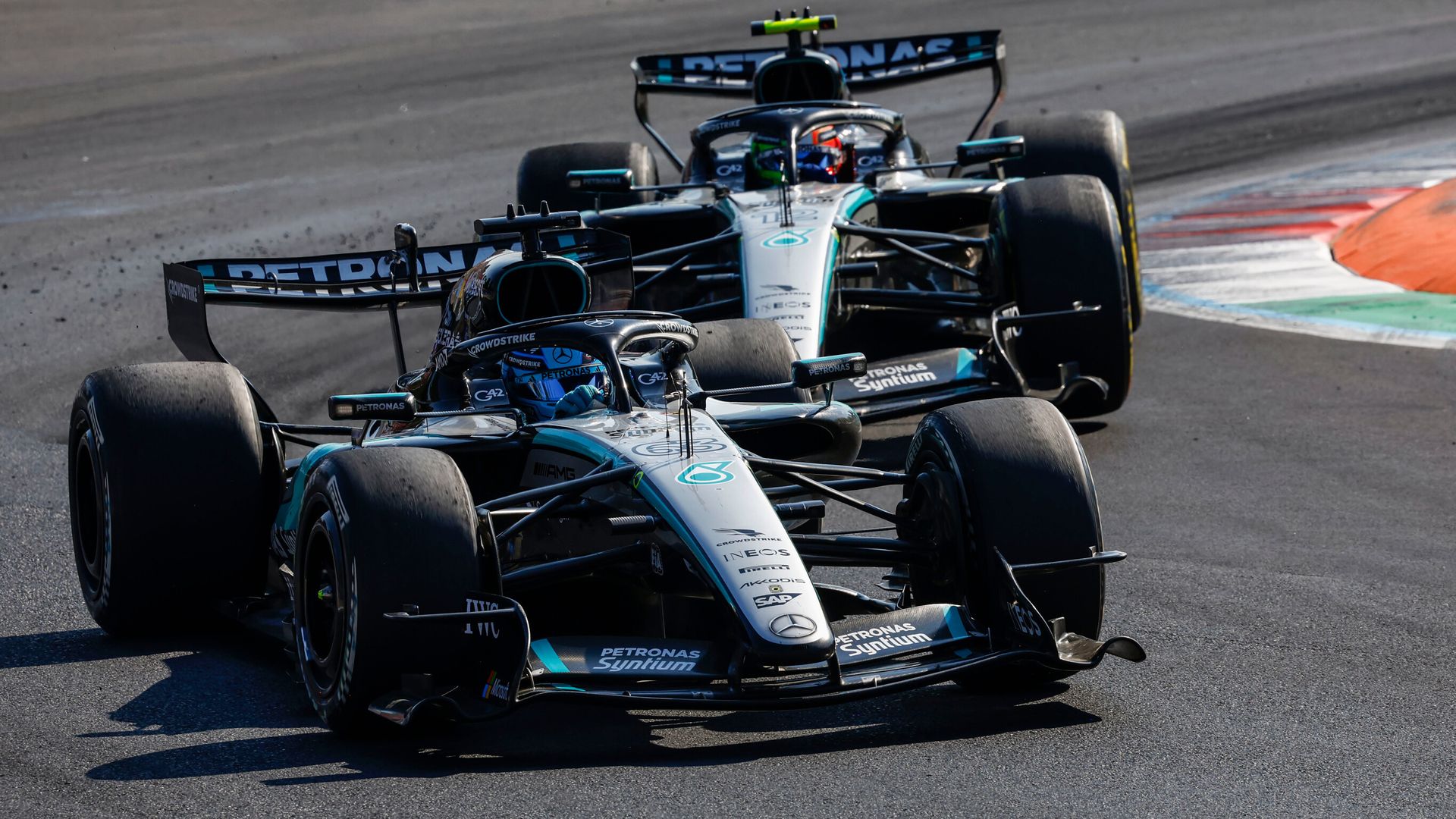
How Mercedes can win Constructors' Championship this Sunday
Just days after Kimi Antonelli became Formula 1's youngest world champion, Mercedes have an opportunity to win the Constructors' Championship this weekend in Brazil.
SkySports | News ·