国际新闻
Enter Shikari announce indefinite hiatus from 2027: ‘We don’t think we’re splitting up’
来源: World news | The Guardian · 发布于

Rock band will still tour the UK, Europe and US over the next year but say decision to ‘fall dormant’ feels ‘liberating’ The British rock band Enter Shikari have announced they will go on hiatus at the end of 2027, a decision that may result in the band’s “extinction”. The St Alb
Rock band will still tour the UK, Europe and US over the next year but say decision to ‘fall dormant’ feels ‘liberating’ The British rock band Enter Shikari have announced they will go on hiatus at the end of 2027, a decision that may result in the band’s “extinction”. The St Albans band, who formed in 1999 as Hybryd, are due to tour the UK in November, Europe and the US next year, and said they hoped to play some of their favourite places “one last time”. Continue reading...
相关报道

Europe's car makers are in crisis. Will the threat of war rescue them?
Auto executives across Europe hope rearmament can help them flex their industrial muscles once more.
feeds.bbci.co.uk ·

Can Europe recharge its battery industry?
Europe has some promising battery tech, but can it make up ground lost to Chinese battery giants?
feeds.bbci.co.uk ·
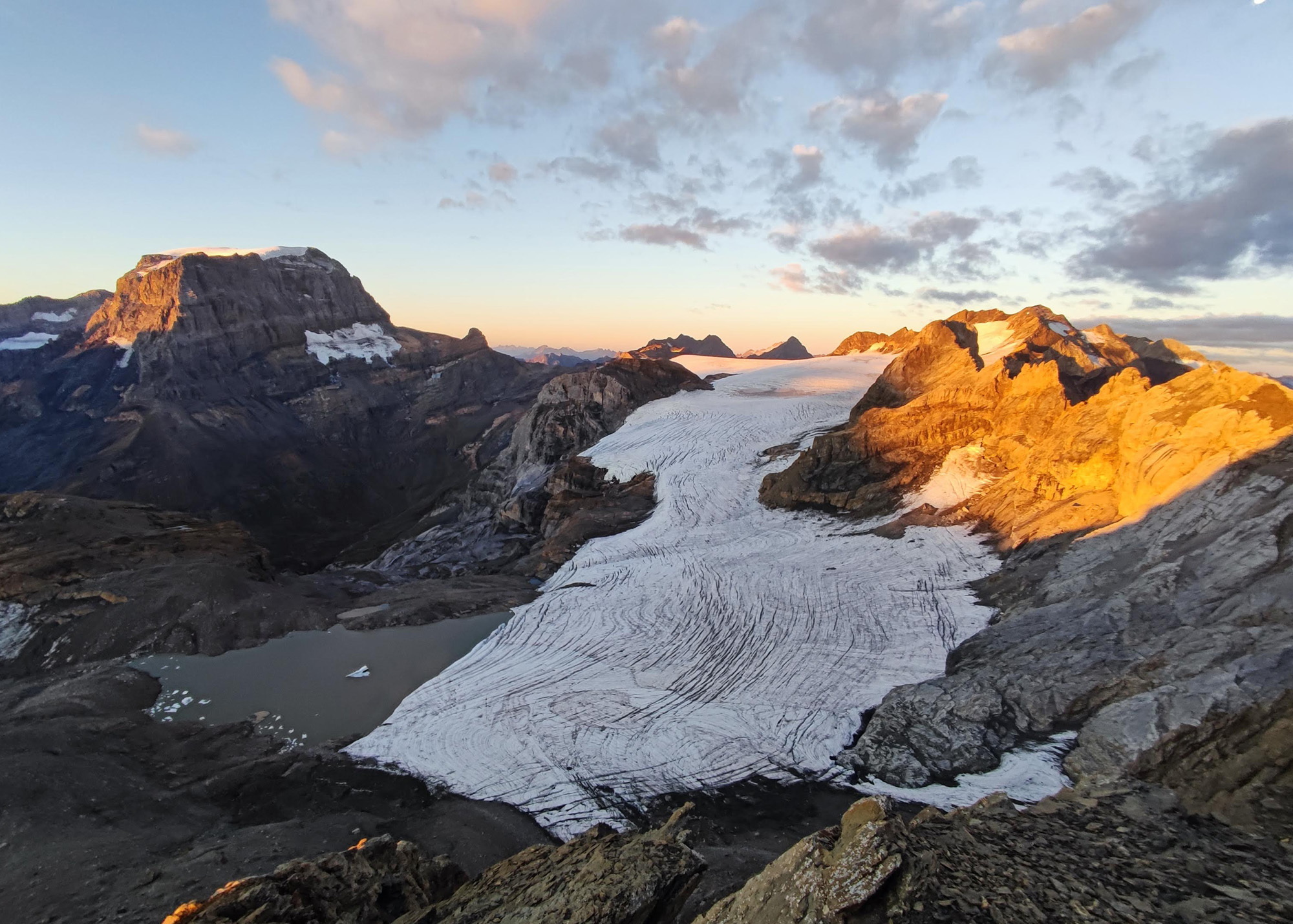
Swiss glaciers suffer another year of record ice loss
Switzerland's glaciers are disappearing at a record pace. More than 5% of their ice has vanished this year alone — threatening water supplies, ecosystems and communities across Europe. (Image credit: Swiss Academy of Natural Sciences)
NPR Topics: World ·

US says Europe should ready fuel supplies as Trump threatens diesel ban
President Donald Trump has threatened to ban diesel exports in a bid to ease prices in the US ahead of the November elections.
feeds.bbci.co.uk ·
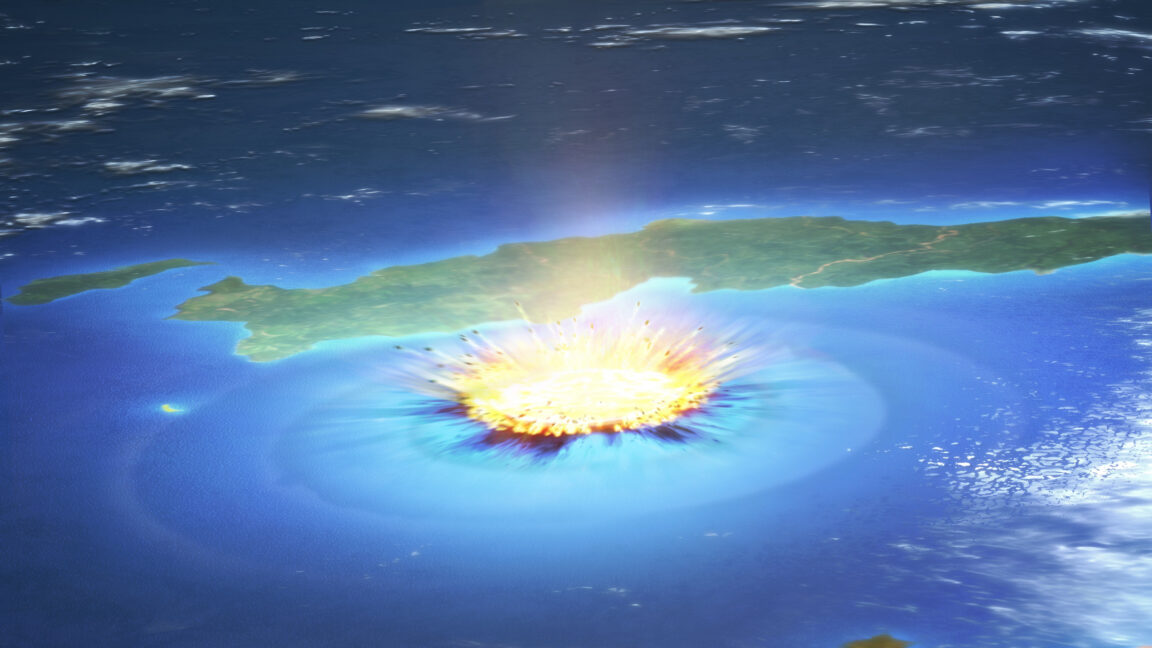
Dinosaur-killing impact crater might have been teeming with life
About 66 million years ago, the Chicxulub asteroid smashed into Earth, kicking up tsunamis and dropping hot debris that annihilated non-avian dinosaurs and many other species. But not everything it left in its wake was destructive. This space rock hit what is now the partially su
Ars Technica - All content ·