科技与人工智能
Apple raises the MacBook Neo’s student pricing again
来源: The Verge · 发布于

The MacBook Neo now starts at $649 on Apple's Education Store, up $150 from its initial $499 education starting price. As reported earlier by MacRumors , the student discount for the Neo received a $50 price bump in recent days, following a $100 price bump back in June . Apple's
The MacBook Neo now starts at $649 on Apple's Education Store, up $150 from its initial $499 education starting price. As reported earlier by MacRumors , the student discount for the Neo received a $50 price bump in recent days, following a $100 price bump back in June . Apple's budget MacBook is now just $50 off its regular $699 starting price for students, rather than the usual $100 discount.
The now-$649 starting configuration includes 256GB of storage and 8GB of RAM, and doesn't include Touch ID. The MacBook Neo's starting price was its biggest selling point when it launched in March , but that perk has been steadily eroding, largely du … Read the full story at The Verge.
相关报道

Apple AirPods Max 2 Are $100 Off Ahead of Black Friday
If Apple headphones have been sitting on your wish list, now might be the time to buy ahead of the holiday rush.
WIRED ·

Apple to replace iPhone Duos affected by screen problem
Photos shared online showed faults appearing on the screens of Apple's first foldable device.
feeds.bbci.co.uk ·
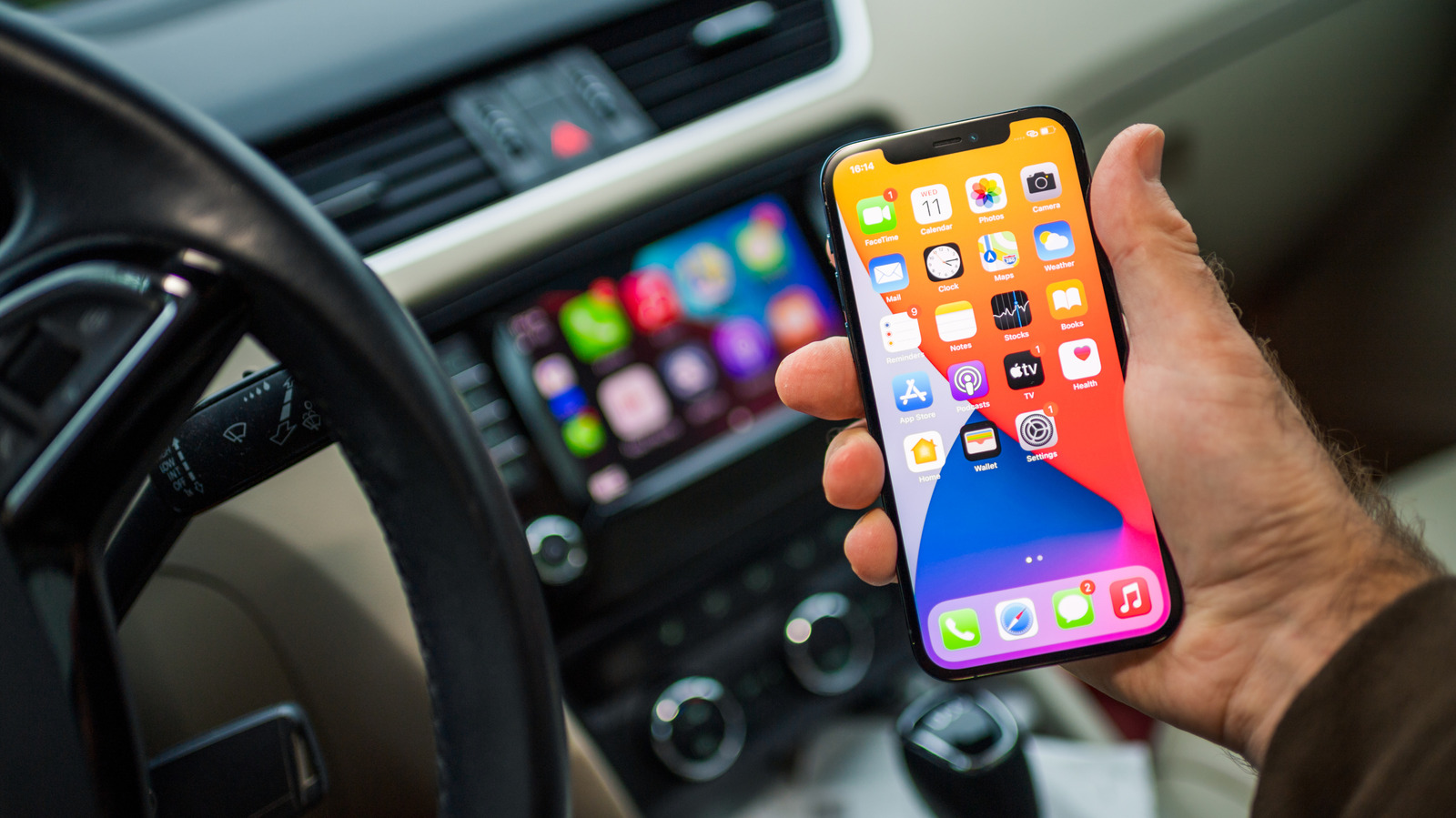
iOS 27.2 brings two new features to Apple's CarPlay
iOS 27.2 comes with some changes for Apple CarPlay, too.
Engadget - Technology News & Expert Reviews ·

Apple refreshes the iMac, entry-level MacBook Pro with the M6 chip
Apple has announced refreshes for the iMac and the entry-level, 14-inch MacBook Pro . Both machines are getting the M6 chip, which was introduced in the Mac mini several weeks ago. The M6 is split into two variants for the iMac. Picking the "M6 chip with two Thunderbolt ports" op
Ars Technica - All content ·
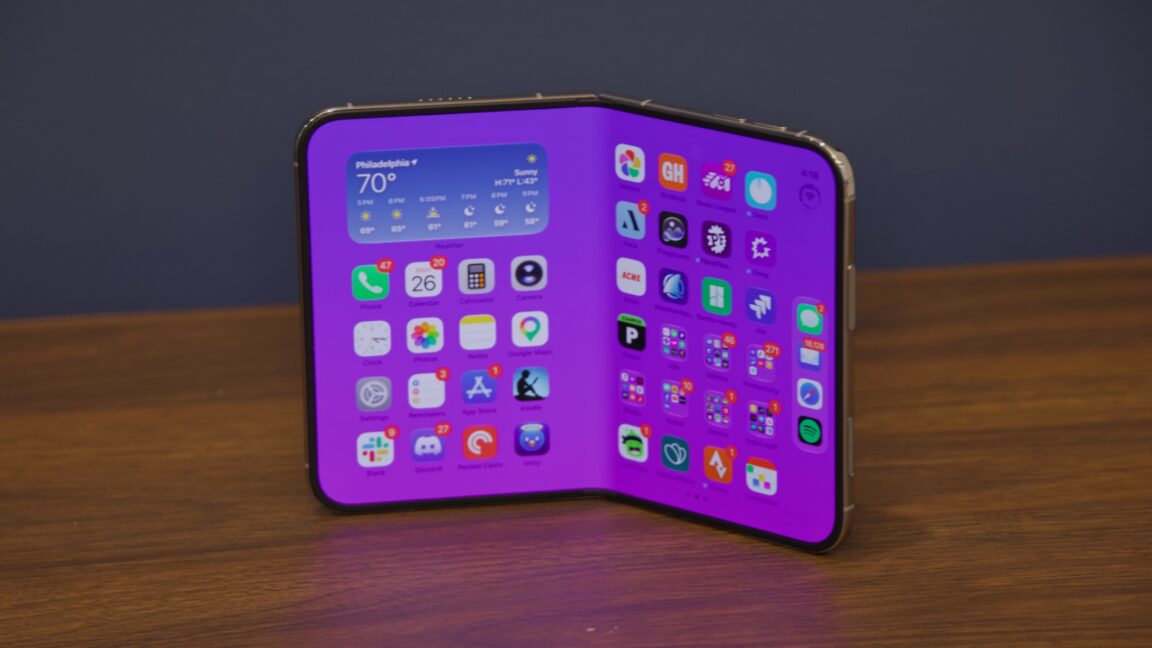
Apple iPhone Duo review: Two screens, two experiences, two thousand dollars
I understand the appeal of foldable phones—they let manufacturers keep expanding screen sizes while still producing devices that can reasonably fit in a pocket. In practice, though, every foldable Android phone I've seen in public has had a ridiculously visible seam between the t
Ars Technica - All content ·