科技与人工智能
2027 Nissan Rogue Hybrid: Drives like an EV, but there's no plug involved
来源: Ars Technica - All content · 发布于
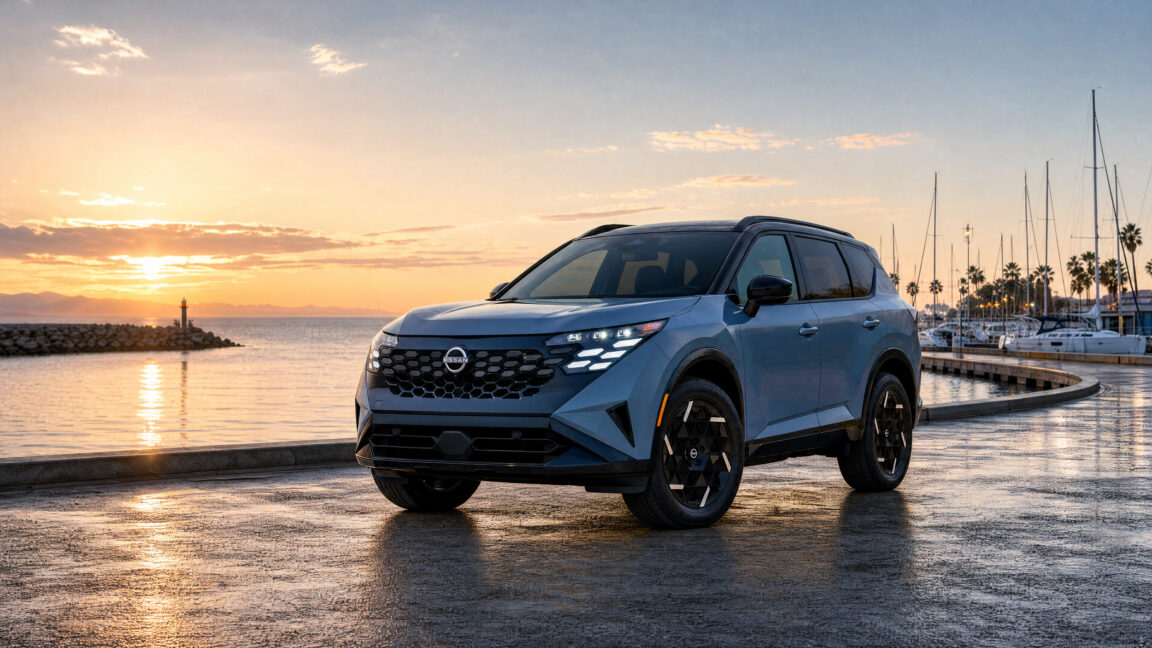
Nissan provided flights from Washington, DC, to Santa Barbara, California, and accommodation so Ars could drive the Rogue Hybrid. Ars does not accept paid editorial content. Nissan has a new version of its best-selling Rogue SUV, and it’s launching the model here with the latest
Nissan provided flights from Washington, DC, to Santa Barbara, California, and accommodation so Ars could drive the Rogue Hybrid. Ars does not accept paid editorial content. Nissan has a new version of its best-selling Rogue SUV, and it’s launching the model here with the latest version of its e-Power hybrid system, which Ars tested back in February.
Most of the hybrid cars you can buy today are parallel hybrids, which means that they have an internal combustion engine and an electric motor, both of which drive some or all of the wheels—everything works in parallel. But there’s another approach. Instead of connecting the engine to the wheels via a transmission, it can act as a generator and charge the traction battery, which in turn powers the electric motor.
Since the engine and motor work in series, this is known as a series hybrid. That’s mostly how the Chevrolet Volt worked. As does Honda’s hybrid CR-V .
Well, mostly; engineers worked out it was more efficient for those cars' gasoline engines to directly drive the wheels at highway speeds, something that to this day makes a certain subset of hybrid car enthusiast irrationally angry. If you know anyone like that in your life, send them to wherever the nearest Nissan dealership is, because the 2027 Rogue Hybrid is exactly what they’ve been asking for. Series hybrids Under the hood, with its crisp shut line and slim horizontal lights that give me something of a Range Rover vibe, there’s a 1.5 L, three-cylinder turbocharged direct-injection engine that generates 148 hp (110 kW).
It only revs to 5,200 rpm because it’s optimized to charge the battery, not cope with the various loads of an engine connected to a gearbox and the wheels. That also allows the engine to operate at a rather impressive 42 percent thermal efficiency—we would need to look at Formula 1 engines to find higher. Read full article Comments
相关报道

Rocket Report: Winter is coming for Themis; Cowboy Space adds iron to the fire
Welcome to Edition 9.17 of the Rocket Report! It's been a while since an American company announced plans for a medium-lift new launch vehicle, but that's what happened this week when a startup named Cowboy Space revealed specs for its Big Iron rocket, named for the classic count
Ars Technica - All content ·

Uefa close to selecting candidate to run against Infantino in Fifa election
Challenger’s identity could be approved by next week Arsène Wenger not thought to have entered reckoning Uefa and its allies are close to identifying a candidate to run against Gianni Infantino in the Fifa election and could select the challenger as early as next week. The clock
Sport | The Guardian ·
Hold your nose: a £1.25bn subsidy for rich Rolls-Royce’s new engine had to happen
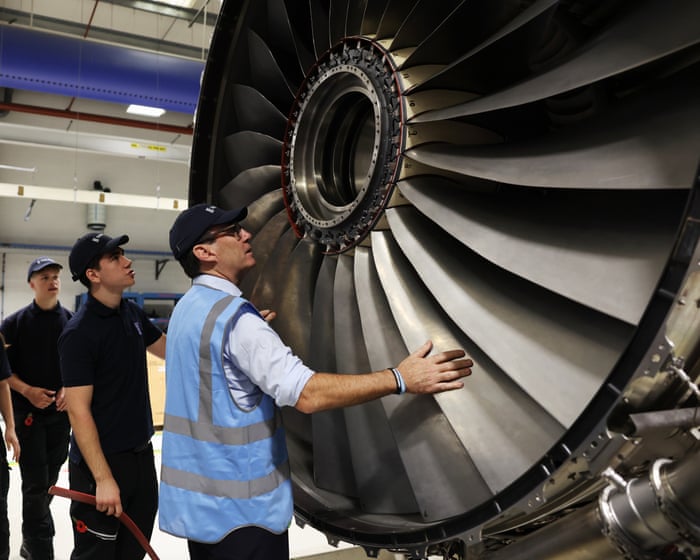
The chancellor’s budget giveaway is, unfortunately, a reflection of how life works in the global aerospace business It wasn’t a “nothing” budget for engine-maker Rolls-Royce. The company was handed £1.25bn from public coffers to part-fund the development of a next-generation engi
Business | The Guardian ·

Silicon Valley wants you to invest in miracles
Investing in any stock is kind of like gambling in the sense that you're betting your money on a company's future performance. But how do you bet on a technology that could, in the worst-case scenario, "pose catastrophic or existential risks to humanity," or best case, "bring for
The Verge ·

Harley-Davidson's electric motorbike brand has 'substantial doubt' about its future
LiveWire's warns that it may not survive its current financial difficulties.
Engadget - Technology News & Expert Reviews ·