Science & Environment
Written in sand: How dunes reveal the secrets of planetary winds
Source: Phys.org - latest science and technology news stories · Published

Stanford University researchers have shown that the median sand grain size in dunes on Earth and Mars reveals the speed of the winds that formed those dunes. The finding enables scientists to use sand as a wind speedometer for both modern and ancient dunes found across the solar
Stanford University researchers have shown that the median sand grain size in dunes on Earth and Mars reveals the speed of the winds that formed those dunes. The finding enables scientists to use sand as a wind speedometer for both modern and ancient dunes found across the solar system.
Related stories
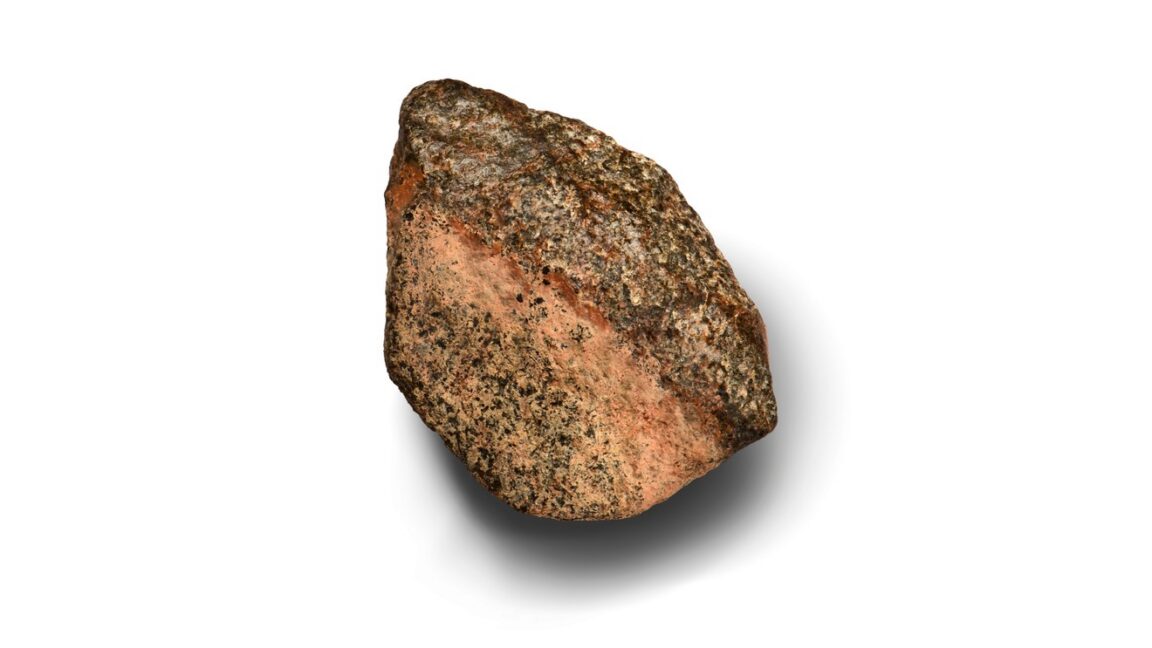
Rare meteorite from Mars gives us a view into its ancient crust
Crater counts tell us that most of the Martian surface is more than 3 billion years old, but pieces of Mars we have on Earth tell a different story. The three main classes of Martian meteorites—shergottites, nakhlites, and chassignites—are all 2.4 billion years old or younger. Un
Ars Technica - All content ·

How one nuclear blast could cripple nearly every satellite in low Earth orbit
We rely on satellites every day for communications, weather forecasts and security, and more than 13,000 are currently circling the planet in low Earth orbit. But they could be more vulnerable than previously thought. Researchers have found that a single nuclear explosion in spac
Phys.org - latest science and technology news stories ·
The Sun unleashed a monster storm. Earth may have made it worse
The massive solar storm that illuminated skies worldwide in May 2024 has uncovered an unexpected twist: Earth's own atmosphere may have helped make the storm so powerful. Satellite measurements revealed that roughly 85% of the charged particles fueling the disturbance originated
All Top News -- ScienceDaily ·
NASA’s CHAPEA Mars crew finally emerges after more than a year in isolation
After more than a year of simulated life on Mars, four NASA volunteers have finally emerged from isolation, bringing a remarkable space exploration experiment to an end. Their experiences growing food, conserving resources, and overcoming Mars-like challenges could help NASA prep
All Top News -- ScienceDaily ·
Meteors don't just burn up. What really happens is far more violent
Scientists have uncovered seven surprising stages that space rocks go through as they hurtle toward Earth, revealing that melting and violent fragmentation, rather than simple evaporation, determine their fate. The discovery could help explain why meteorites scatter across the gr
All Top News -- ScienceDaily ·