Culture & Entertainment
What happened when the man who took a million photographs embraced colour?
Source: Culture | The Guardian · Published
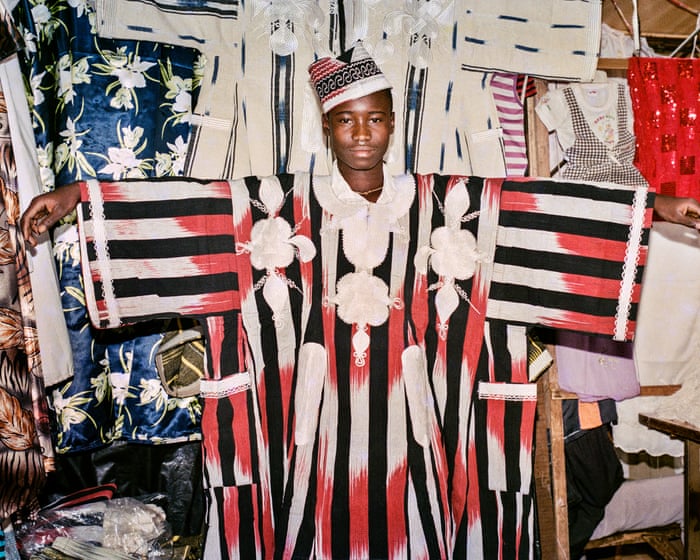
The Photographers’ Gallery, London Sanlé Sory is known for his black and white images taken during independence in Burkina Faso – but his colour portraits bring humour, insouciance and joy Despite his wide renown, there have been hardly any major exhibitions of Sanlé Sory’s work.
The Photographers’ Gallery, London Sanlé Sory is known for his black and white images taken during independence in Burkina Faso – but his colour portraits bring humour, insouciance and joy Despite his wide renown, there have been hardly any major exhibitions of Sanlé Sory’s work. His last UK show was in 2019, concentrating on the black-and-white images the Burkinabé photographer made in the first two decades after opening his own studio, Volta Photo, in Bobo-Dioulasso in 1960 – a period that coincided with the first two decades of independence in Burkina Faso. This new Photographer’s Gallery show shifts the focus to the 1980s and 1990s, when Sory began working in colour.
It’s easy to see why, even with few exhibitions, Sory has made such an impression on audiences. There are the familiar west African studio photography tropes westerners love, where sound, image, fashion and pose collide. The props are popping, the style is irrepressible, the energy is irresistible.
I wonder if Sory’s speed and instinct came from the time he spent early in his career racing on his motorbike to photograph car accidents for newspapers and the police. These portraits are the opposite of a car crash, they’re remedially joyful, wilfully alive – but they share that feeling of being inside the moment, at the edge of something. Continue reading...
Related stories
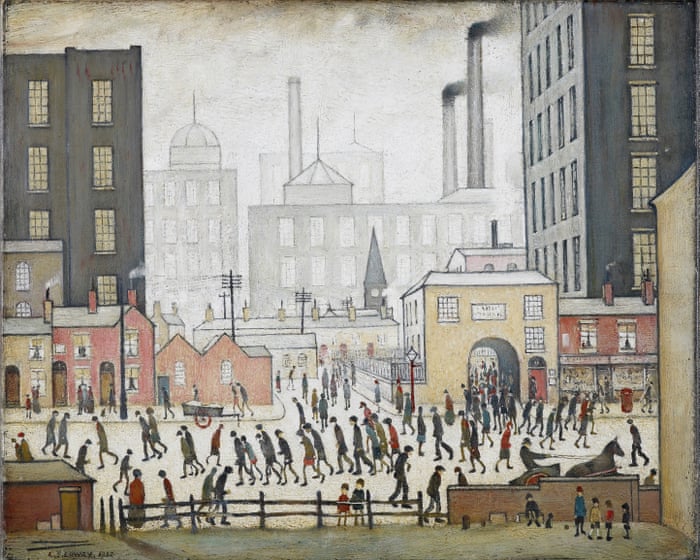
LS Lowry review – matchstick men, or the broken denizens of a smog-filled hellscape?
MK Gallery, Milton Keynes With his heaps of mud, decaying sheds and chimney-filled skies, Lowry depicts northern England as a spirit-crushing dystopia While people queue at the British Museum to see the Battle of Hastings , this excellent survey of LS Lowry at the MK Gallery in M
Culture | The Guardian ·

U2 Announces North American Leg of ‘Greatest Show on Earth’ Global Stadium Tour for 2027
U2 has announced the North American leg of the “Carnaval De Luz Presents: The Greatest Show on Earth World Tour 2027.” The stadium tour includes 15 stadium shows set for the United States and Canada featuring support from Stephen Wilson Jr. and the War on Drugs. The North America
Variety ·

Abortion Dark Comedy ‘Nose Bone’ Takes Top Cash Grant as India’s WAVES Film Bazaar 2026 Wraps
Garima Pura’s “Nose Bone,” a dark comedy about a young Punjabi woman racing to pay for an abortion, won the top $10,000 NFDC cash grant in the Co-Production Market as WAVES Film Bazaar 2026 closed in Goa on Tuesday with its awards ceremony. Pura, a co-writer of the Oscar-winning
Variety ·
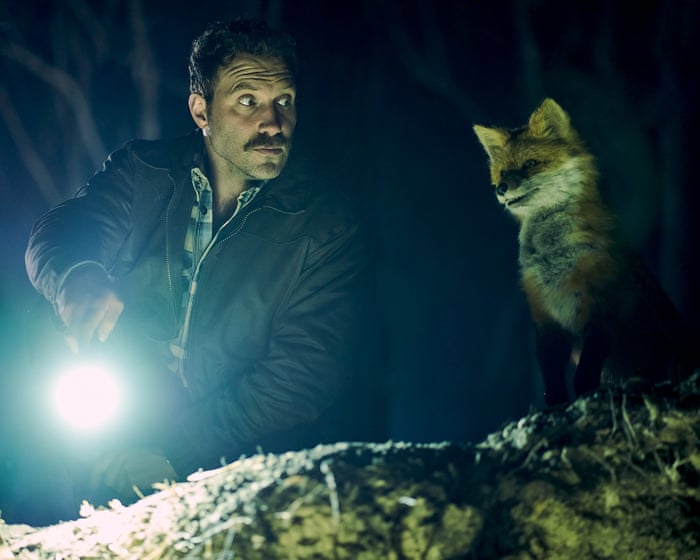
Olivia Colman as a fox and Sam Neill as a sweary magpie: this is one of the best Australian movies in years
The Fox director Dario Russo describes his own film as being ‘about a guy who gets tricked by a talking fox into pushing his fiancee in a magic hole’ – but that is only the beginning Get our weekend culture and lifestyle email When actor Emily Browning first read the synopsis for
Culture | The Guardian ·
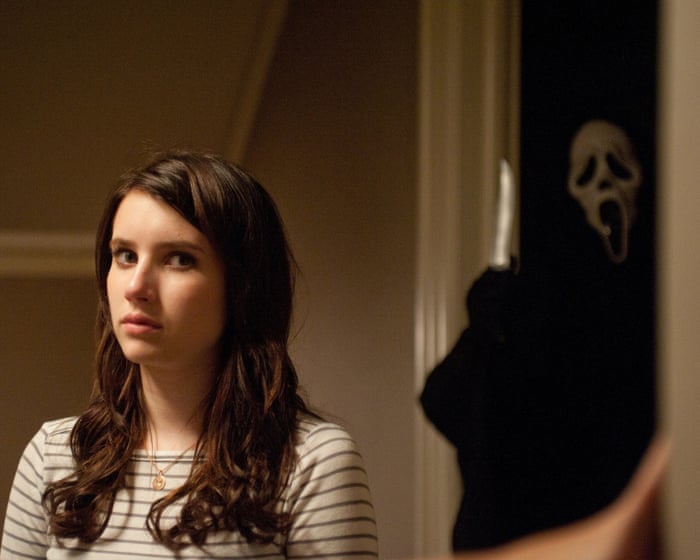
Scream 4 came out 15 years ago – but its mockery of online brainrot is more spot-on than ever
When Wes Craven’s final slasher film came out, correctly predicting clout-chasing influencers and social media’s corruption of our lives, Instagram was just six months old Get our weekend culture and lifestyle email It has been almost a year since Australia’s social media ban for
Culture | The Guardian ·