Science & Environment
Watch Live: NASA’s Crew-13 could make the fastest U.S. trip to the ISS ever
Source: All Top News -- ScienceDaily · Published
NASA’s SpaceX Crew-13 mission is scheduled to launch four astronauts to the International Space Station on October 1. The Dragon could reach the orbiting laboratory in just 7 hours and 50 minutes, making it the fastest U.S. spacecraft journey to the ISS in history.
NASA’s SpaceX Crew-13 mission is scheduled to launch four astronauts to the International Space Station on October 1. The Dragon could reach the orbiting laboratory in just 7 hours and 50 minutes, making it the fastest U.S. spacecraft journey to the ISS in history.
Related stories
NASA’s Crew-13 could go from Florida to the ISS in under 9 hours
NASA and SpaceX could launch four astronauts to the International Space Station on October 1, with the Dragon spacecraft reaching orbiting outpost less than nine hours after liftoff. Crew-13 will join Expedition 75 after teams complete a final round of intensive launch-readiness
All Top News -- ScienceDaily ·
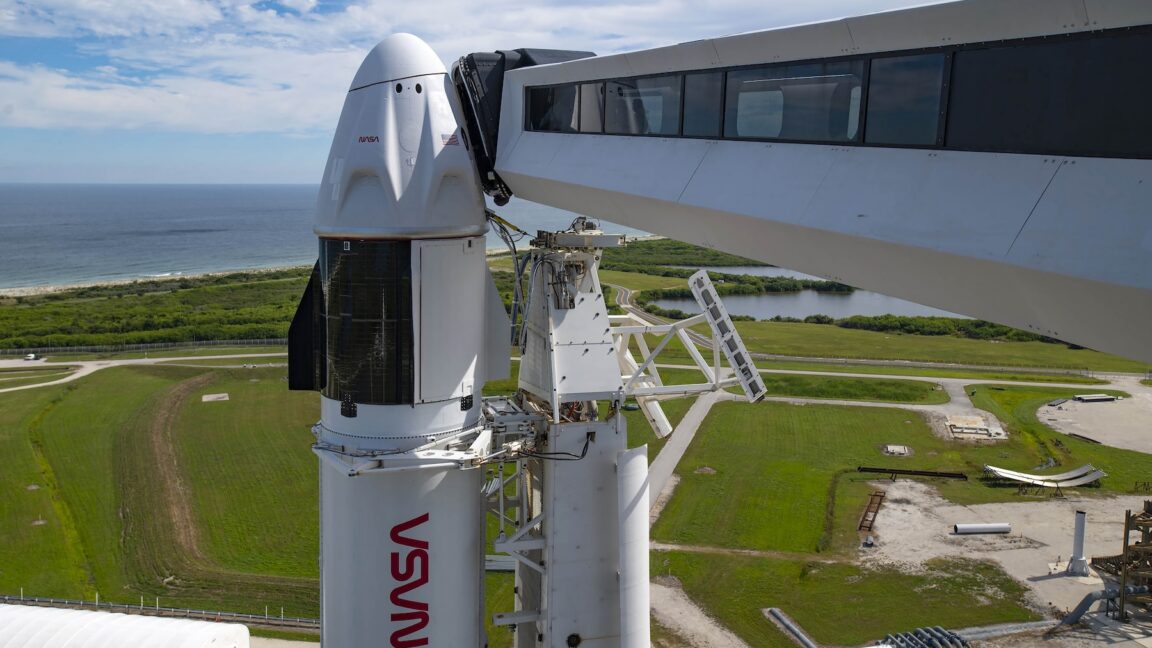
NASA has a Dragon dilemma, and there appear to be no good answers
For two decades, largely in service to the International Space Station, NASA has sought to foster an "economy" in low-Earth orbit. Twenty years ago, with a program to develop private spacecraft for cargo delivery to the space station, NASA sought to "stimulate efforts within the
Ars Technica - All content ·

Poverty in the EU declined in the last decade, but disparities persist among nations
Despite differences among nations, poverty in the European Union declined between 2015 and 2023, according to a study published in PLOS One by Silvia Megyesiova and Cecilia Olexova of the Bratislava University of Economics and Business in Košice, Slovak Republic.
Phys.org - latest science and technology news stories ·

Adult fossil strengthens evidence for Homo erectus in southern Africa 2 million years ago
La Trobe archaeologists have described 18 new hominin fossils, including a second Homo erectus skull fragment that confirms the species first appeared in southern Africa 2.0 million years ago—200,000 years earlier than traditionally thought.
Phys.org - latest science and technology news stories ·

3D light fields push electrons into quantum states previously beyond experimental reach
By superimposing two ultrashort laser pulses that converge from different directions, a team of physicists at the University of Oldenburg has succeeded in generating three-dimensional light fields.
Phys.org - latest science and technology news stories ·