Technology & AI
US official: Russia's stalker satellite sure looks like an orbital weapon
Source: Ars Technica - All content · Published
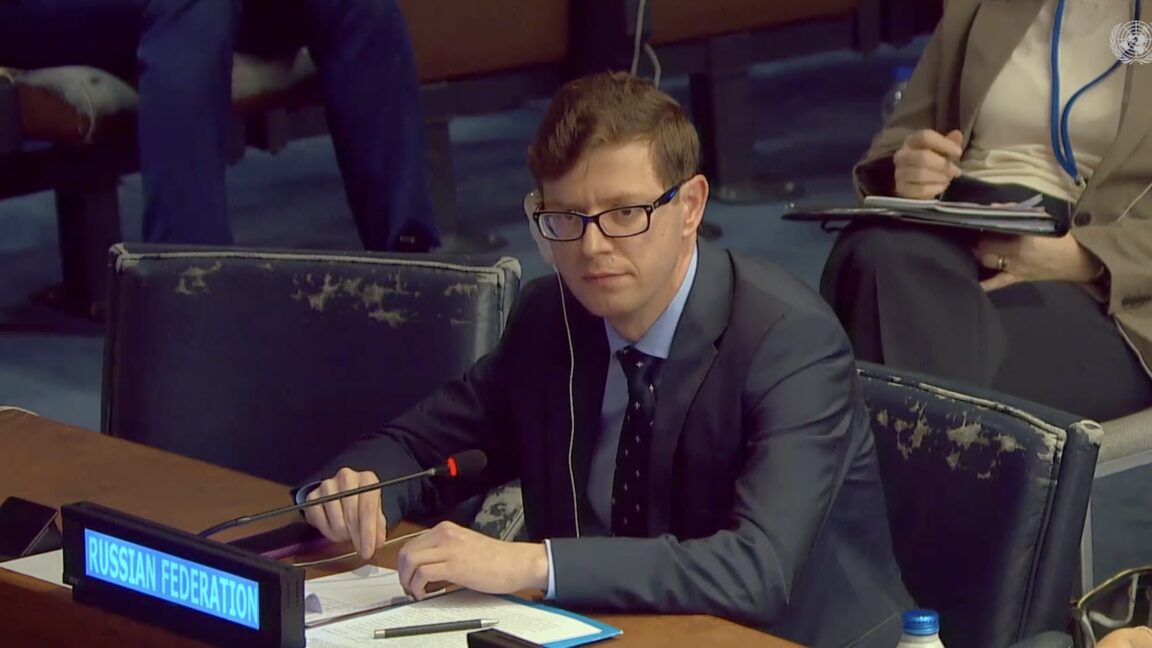
Four years ago, a senior official in Russia's foreign ministry painted a bullseye on commercial satellite networks that assist Ukraine in its fight against invading Russian military forces. On Wednesday, several days after a Russian military spacecraft moved within striking dista
Four years ago, a senior official in Russia's foreign ministry painted a bullseye on commercial satellite networks that assist Ukraine in its fight against invading Russian military forces. On Wednesday, several days after a Russian military spacecraft moved within striking distance of one of those commercial satellites, the same Russian diplomat assured the world there's no reason to worry. There's a sharp incongruity in those statements from Konstantin Vorontsov, deputy head of Russia's delegation to the United Nations.
Vorontsov's comments Wednesday in the UN General Assembly's First Committee came moments after a US official called attention to recent maneuvers by Kosmos 2612 , a Russian military craft that approached a US-registered commercial satellite some 340 miles (550 kilometers) above Earth. Read full article Comments
Related stories

Ukraine hit by strikes after Russia agrees to new peace talks
The three waves of Russian missiles were launched at hours after Russia said it was "ready in principle" to resume peace talks with the US and Ukraine.
feeds.bbci.co.uk ·
Ukraine: Life near the front line in Sloviansk
As Russian continues to attack Sloviansk in eastern Ukraine, thousands of residents refuse to leave or struggle to find a way out. For many, poverty, family ties and beloved pets make evacuation painfully difficult.
World | Deutsche Welle ·

Four locations in the running to be UK City of Culture 2029
The winner, announced in early 2027, will receive £10m to deliver a year of cultural activities.
feeds.bbci.co.uk ·

Meta shocked by $25B fine after N.M. refused to join multistate settlement
Meta must pay $25 billion to New Mexico after a jury found the tech giant guilty of nearly 44 million violations of state consumer protection laws. The largest fine to ever hit Meta came after New Mexico Attorney General Raúl Torrez declined to join an $18 billion settlement Meta
Ars Technica - All content ·

Hackers got a four-day head start on epic PHP2Shell vulnerability
Amazon has warned that vulnerabilities in a programming language that underpins much of the Internet, discovered using AI tools, are being “broadly exploited” as governments and companies rush to secure their systems. The world’s largest cloud computing provider on Wednesday said
Ars Technica - All content ·