Technology & AI
Trump admin loses fight to spy on random journalists’ LinkedIn DMs
Source: Ars Technica · Published
The Trump administration’s fight to stop suspected leaks of top-secret military information on LinkedIn can’t sweep in “a vast number of confidential sources” of random journalists “who have no conceivable relationship” to the Department of Justice’s investigation, an appeals cou
The Trump administration’s fight to stop suspected leaks of top-secret military information on LinkedIn can’t sweep in “a vast number of confidential sources” of random journalists “who have no conceivable relationship” to the Department of Justice’s investigation, an appeals court ruled Tuesday. The order came after the DOJ asked LinkedIn to turn over 18 months of communications from targeted journalists who collectively published more than 1,000 articles on many different topics over that time period. The request was not limited to journalists involved in a controversial report from a news outlet that Trump said exposed confidential military information in a foreign country.
(The outlet is not being named to protect national security secrets.) Instead, the DOJ cast a wide net, requesting extensive LinkedIn data on journalists who had any possible link to the journalists around the time the report was drafted. The majority of journalists have LinkedIn accounts and publish their contact information to encourage sources to connect on the platform, LinkedIn argued. So allowing that government overreach went beyond harming targeted journalists and threatened to undermine a critical platform where journalists frequently connect with confidential sources, judges ruled.
Even more concerning, the Trump administration secured a secrecy order barring LinkedIn from telling anyone about the sweeping request for a year. That left journalists unaware for far too long that their First Amendment rights had been compromised, judges ruled. Read full article Comments
Related stories

Trump wanted little Kei trucks for America, Toyota makes it happen
The idea that Americans should be offered a greater choice of smaller cars has support from strange bedfellows indeed. After all, who could forget President Trump—usually one to take a maximalist approach to any problem— announcing last year that he wanted the Department of Trans
Ars Technica ·

LinkedIn Is Testing a Feature That Lets You See Your Profile Stalkers
Some users have noticed a new “frequent viewer” label that reveals who repeatedly views their profiles.
WIRED ·

Trump says FBI investigating Nvidia boss's affair with alleged Chinese spy
The US president said he spoke with Jensen Huang on Monday and asked him about the affair with the alleged spy.
feeds.bbci.co.uk ·
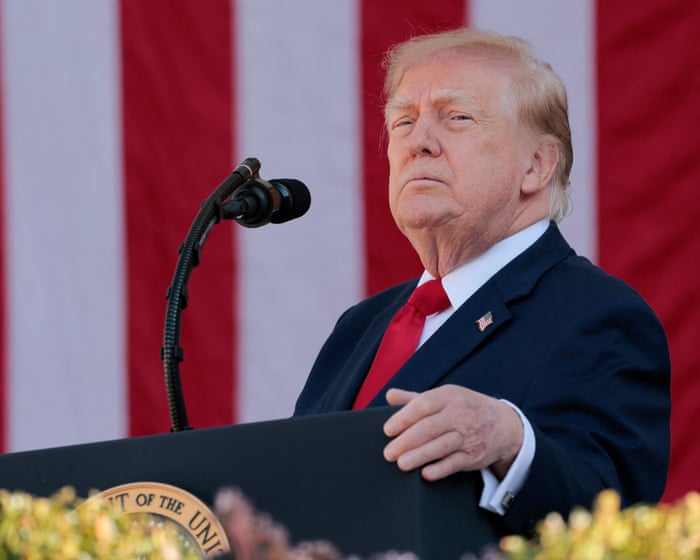
Trump praises Hegseth after failed impeachment effort and shrugs off Iran war criticism - live
President claims US ‘did not start war with Iran’ in Veterans Day speech where he also backed defense secretary again day after failed impeachment vote Democrats lambast absent peers over failed Hegseth impeachment House Republicans block effort to impeach Hegseth Sign up for the
World news | The Guardian ·
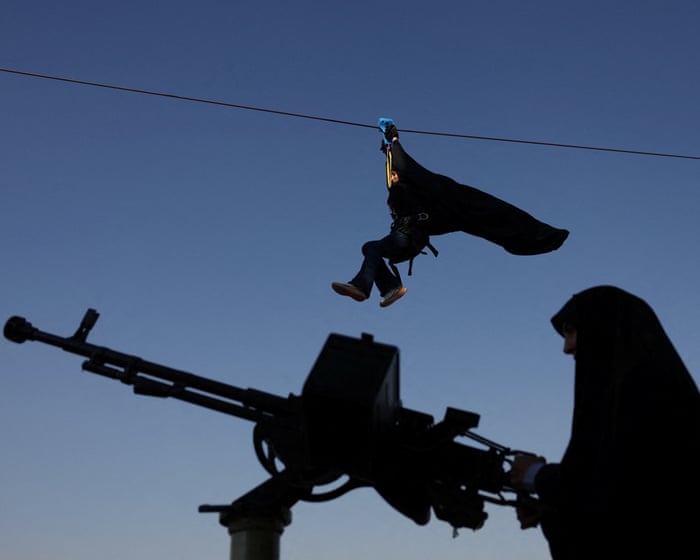
Trump planning new military assault or tighter sanctions, say Iranian officials
Regime adviser says Tehran could be forced into pre-emptive strikes if stalemate continues Senior Iranian officials believe the US is planning either further military strikes or an ever-tightening economic stranglehold that will push Tehran into retaliatory action. The assessment
World news | The Guardian ·