Technology & AI
The Tesla Roadster could have stayed vaporware
Source: The Verge · Published

Imagine a light bar on this 2017 Roadster concept image, and you’ll start to see it. | Image: Tesla For a car that's supposed to be one of the fastest ever made, the new Tesla Roadster certainly took its sweet-ass time getting here. It's been nearly a decade since Elon Musk made
Imagine a light bar on this 2017 Roadster concept image, and you’ll start to see it. | Image: Tesla For a car that's supposed to be one of the fastest ever made, the new Tesla Roadster certainly took its sweet-ass time getting here. It's been nearly a decade since Elon Musk made the surprise announcement about plans to build a next-gen Roadster.
Now, the Tesla Roadster is finally expected to make its production-ready debut at an event in Waco, Texas - and the timing couldn't be worse. The new Roadster is set to arrive in an EV market beset by high energy prices, political turmoil, and consumer uncertainty. The tax-credit-fueled exuberance of the post-covid years has since given way to slower sales and fewer options.
Automakers are scalin … Read the full story at The Verge.
Related stories

Tesla’s Roadster 2 Is Late—and Entering a Different EV World
Nine years after its reveal, the overdue Roadster is set to debut on Thursday to an EV market that has grown skeptical of electric hypercars.
WIRED ·
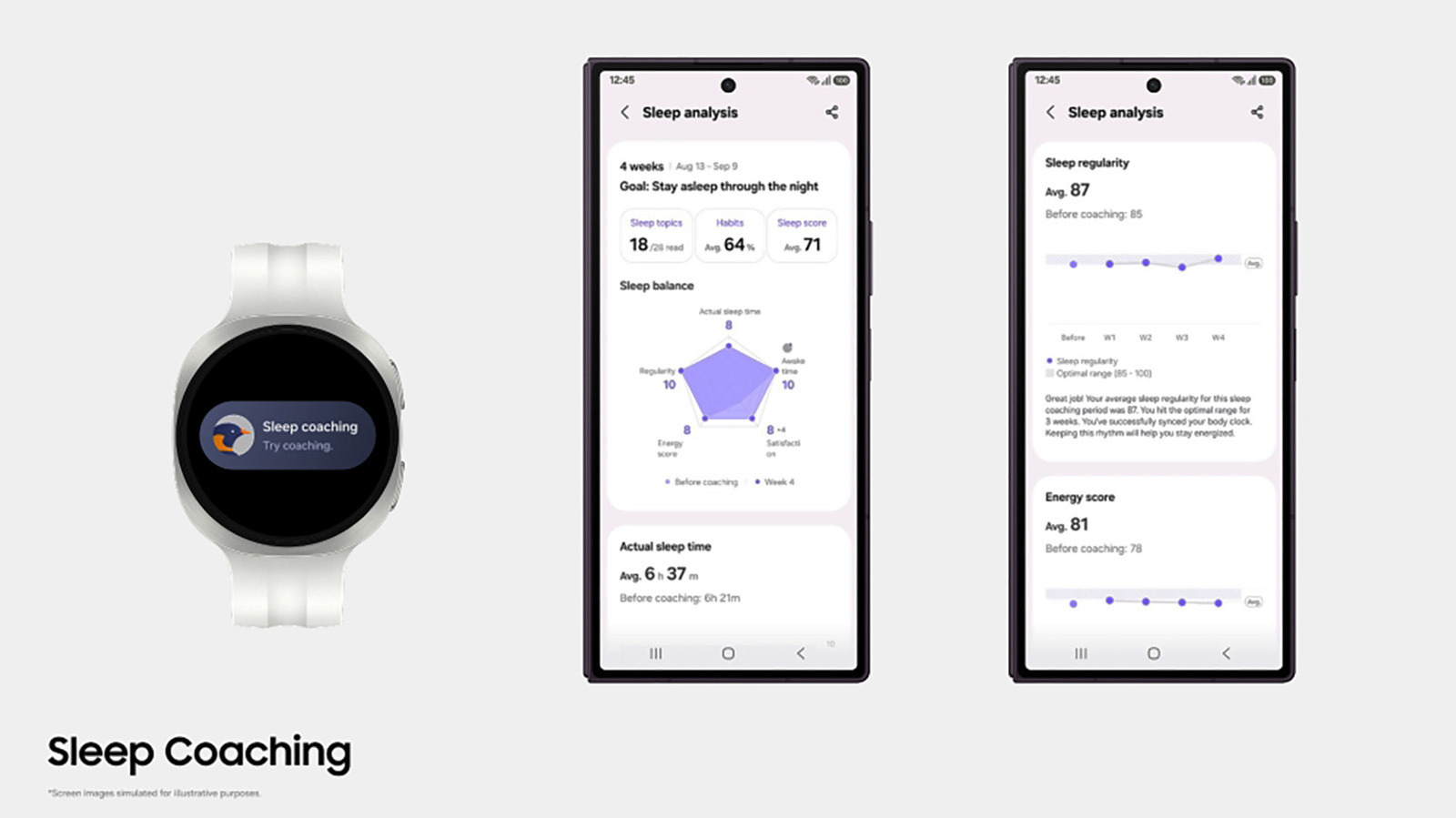
Samsung Health's sleep coaching now requires just three days of data
Galaxy Watch owners can now get Sleep Coaching faster.
Engadget - Technology News & Expert Reviews ·

CMF's first portable speakers are shaped like milk cartons and pair together
Nothing's sister company CMF announced some playful bluetooth speakers that can be paired together and even work with Auracast.
Engadget - Technology News & Expert Reviews ·
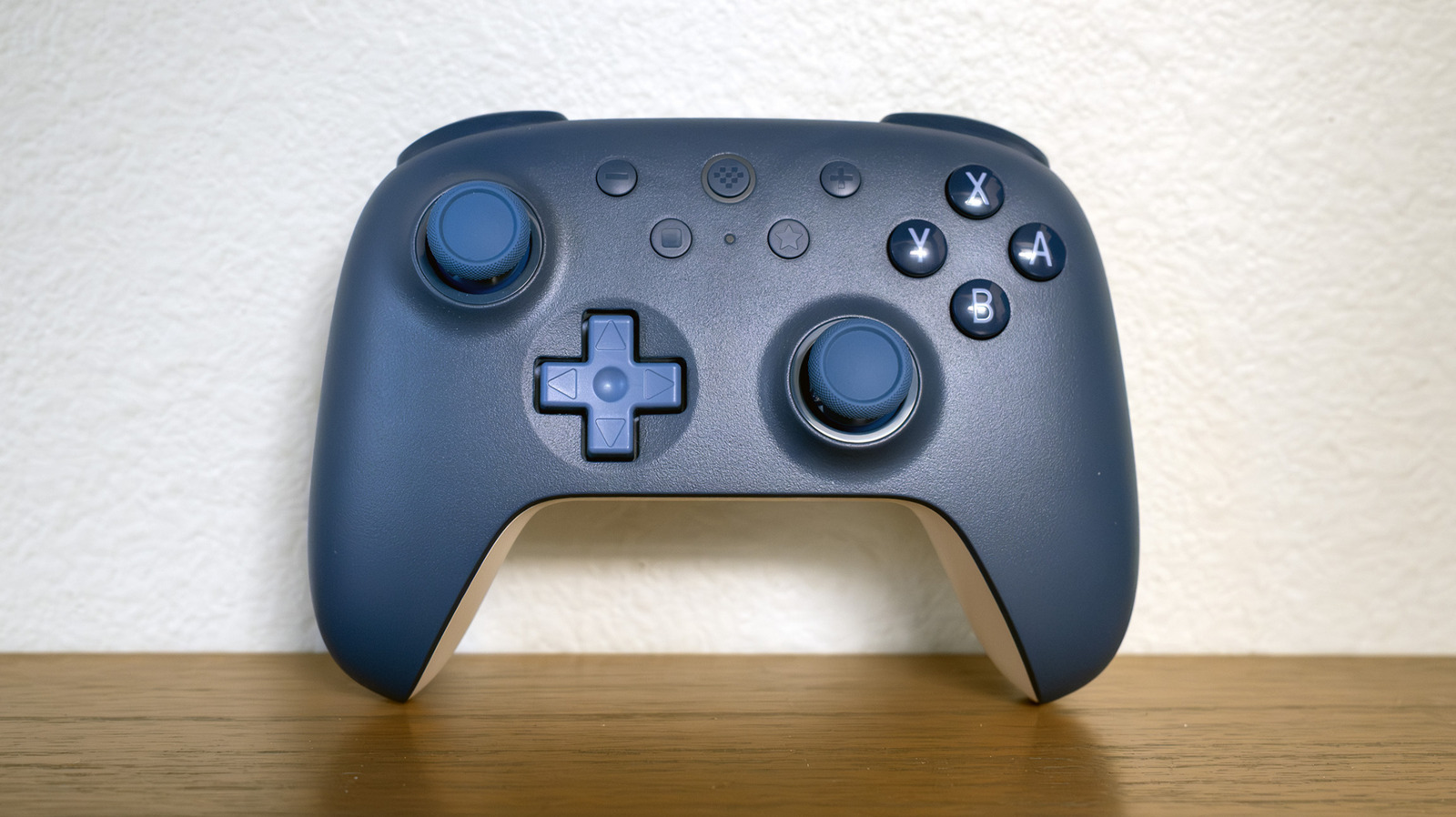
8BitDo Ultimate 2C review: A fabulous Switch 2 controller at a fraction of the price
Hall effect sticks, haptics and extra bumpers... for how much?
Engadget - Technology News & Expert Reviews ·
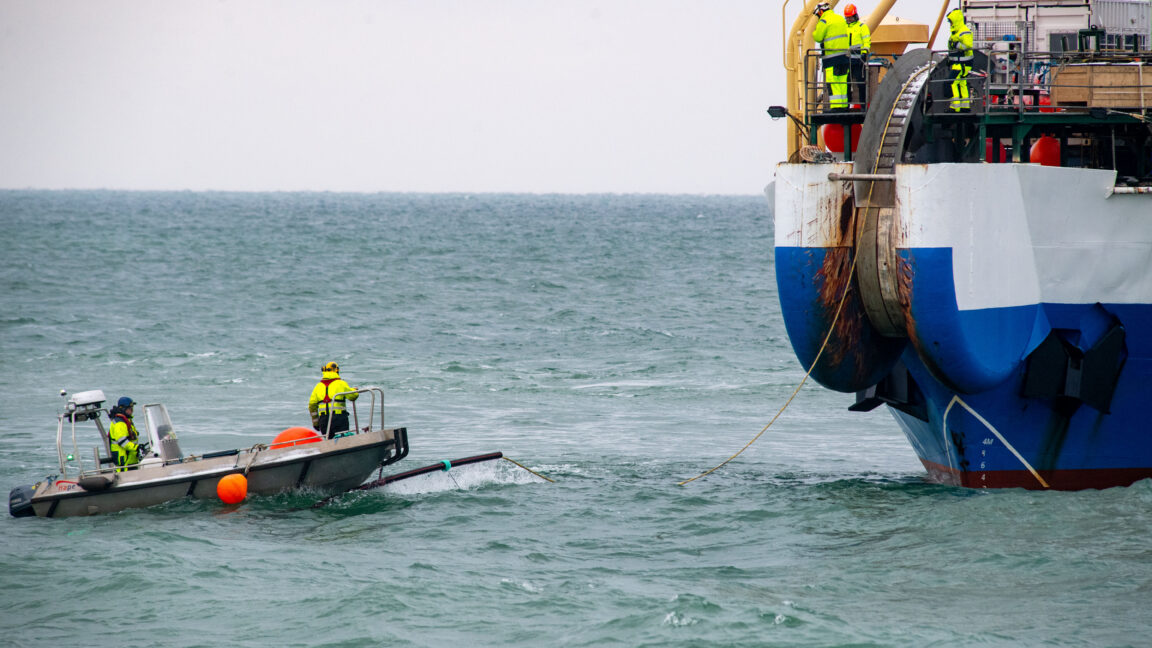
The Internet’s undersea backbone is slipping into the danger zone
Despite the expansion of Starlink and other communications satellite services, most of the world’s Internet traffic still travels through subsea cables crisscrossing the ocean floors. Those fiber-optic cables coexist with a network of oil and gas pipelines and submarine power cab
Ars Technica - All content ·