Technology & AI
The 2008 economic crisis changed the US's relationship with energy
Source: Ars Technica - All content · Published
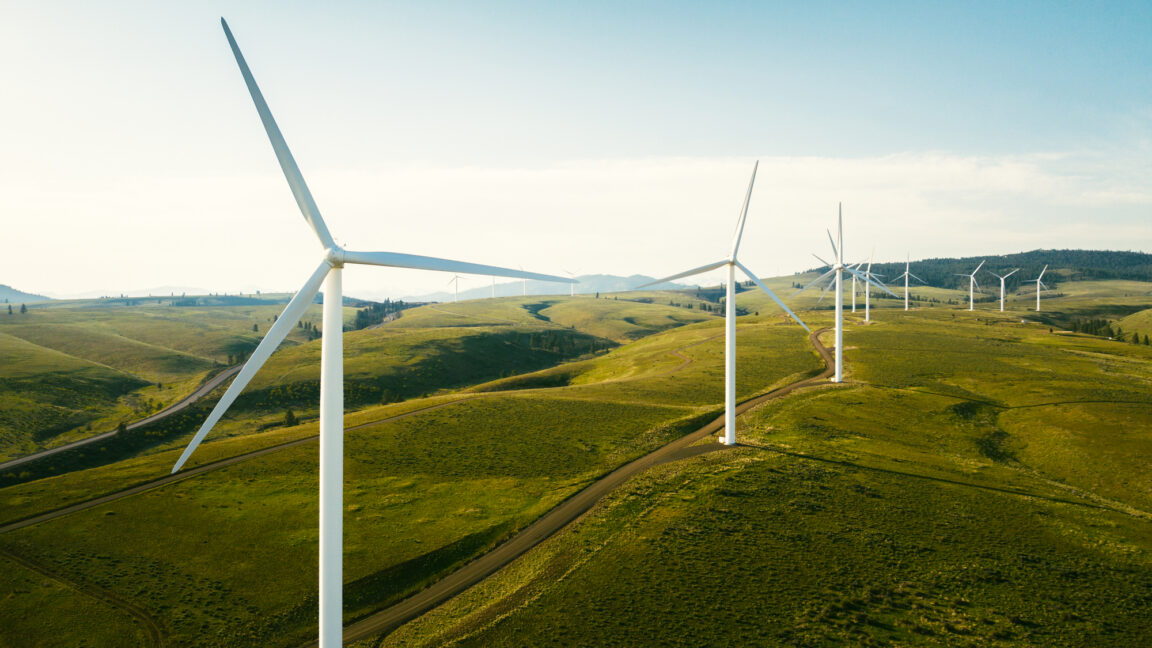
One argument that often comes up about climate change is that fossil fuels are good because they powered economic growth that has left most people better off overall. And, to an extent, that has been true, but it's also an extremely limited perspective. It's pretty obvious now th
One argument that often comes up about climate change is that fossil fuels are good because they powered economic growth that has left most people better off overall. And, to an extent, that has been true, but it's also an extremely limited perspective. It's pretty obvious now that the growth they powered has come with very high costs that we've only recently started to pay, in the form of damages and disruptions from extreme weather events.
With things like sea level rise expected to continue for centuries even if we hit net zero, it's difficult to estimate how expensive that growth will eventually be. But that perspective is also limited: We now have better ways to power our growth—ways that are less environmentally damaging now and won't leave our descendants with a carbon debt that will be difficult to manage. Read full article Comments
Related stories

Explaining Hall-effect, TMR, and other new types of "mechanical" switches
The mechanical keyboard isn't always so mechanical anymore. Over the past six years, keyboards with optical, Hall-effect, and other "contactless" switches have become increasingly common, often going for higher prices than traditional mechanical keyboards, which already command a
Ars Technica - All content ·

Sam Altman says ‘some bad things’ will happen, but AI is totally worth it
Sam Altman thinks that the benefits of AI will be so great that "the world should accept some bad things happening" along the way. The OpenAI CEO pointed to hacks, scams, and "other bad things" as costs society should expect to tolerate because "people will do tremendously orders
The Verge ·

AI glasses face their first major government crackdown
Norway has become the first major country to propose a temporary ban on the use of AI glasses in selected public places amid growing privacy concerns over wearable technology. The rich Scandinavian country’s center-left government said on Monday that it would introduce a law to p
Ars Technica - All content ·

An iced coffee won't predict job performance—but it might reveal hiring bias
Imagine two candidates with identical qualifications interviewing for the same job. One arrives carrying a bottle of water, while the other walks in with an iced coffee. Should that difference matter?
Phys.org - latest science and technology news stories ·

Turkey Banned a Book by a Jailed Presidential Hopeful. We Read It.
From jail, the former mayor of Istanbul accuses President Recep Tayyip Erdogan of hollowing out Turkey’s democracy to stay in power.
NYT > World News ·