Science & Environment
Strawberries, cucumbers and lemon basil show promise for future moon and Mars menus
Source: Phys.org - latest science and technology news stories · Published

As NASA prepares for future missions to the moon and Mars, researchers are studying crops that could provide astronauts with fresh food, nutrition and variety far from Earth. Such crop variety can help with menus in deep space, something top of mind this week as the nation celebr
As NASA prepares for future missions to the moon and Mars, researchers are studying crops that could provide astronauts with fresh food, nutrition and variety far from Earth. Such crop variety can help with menus in deep space, something top of mind this week as the nation celebrates Thanksgiving.
Related stories
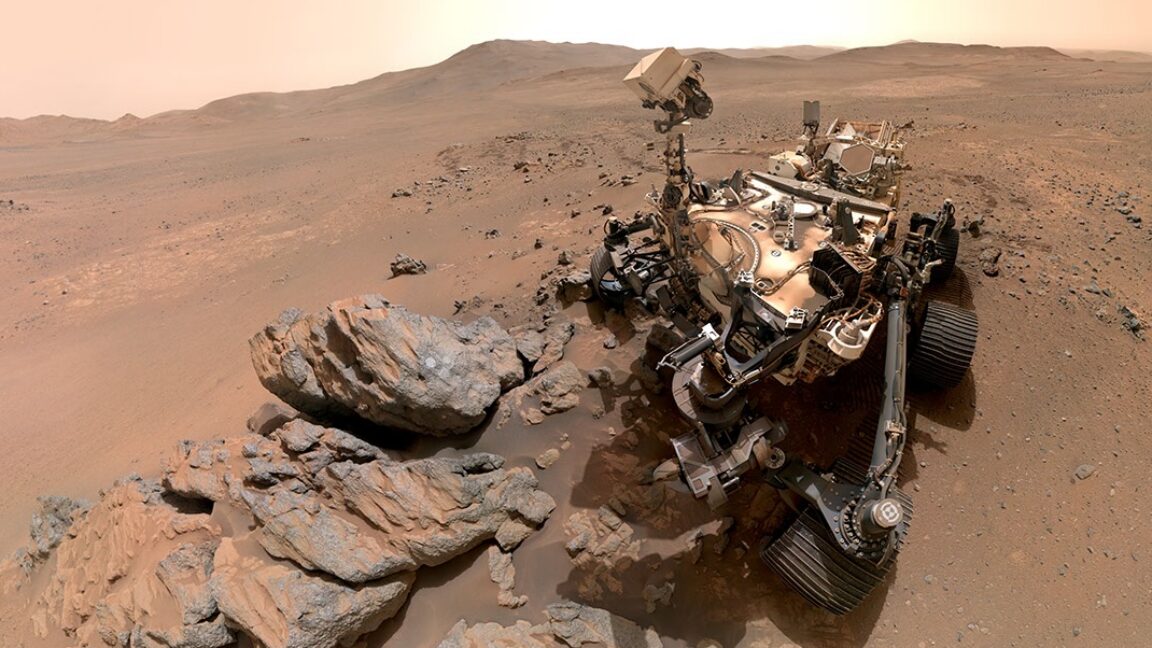
Half of NASA's aging Mars fleet knocked offline by technical issues
Two of NASA's four missions operating at Mars have suspended science operations after encountering separate technical issues in recent weeks. The missions affected by the outages — hopefully temporary — are NASA's Perseverance rover and Odyssey orbiter. Both are operating beyond
Ars Technica ·
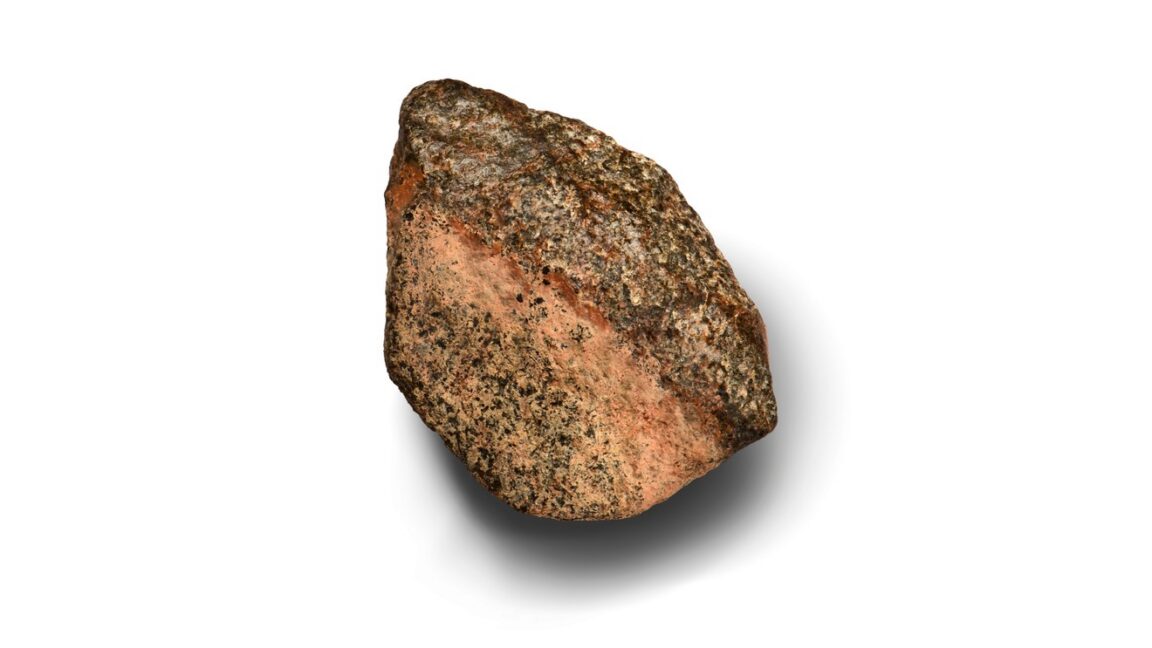
Rare meteorite from Mars gives us a view into its ancient crust
Crater counts tell us that most of the Martian surface is more than 3 billion years old, but pieces of Mars we have on Earth tell a different story. The three main classes of Martian meteorites—shergottites, nakhlites, and chassignites—are all 2.4 billion years old or younger. Un
Ars Technica - All content ·

Severe Thanksgiving storms leave roads flooded and trees fallen
Hundreds of thousands of people were without power after severe weather hit both coasts of the United States during the Thanksgiving holiday.
feeds.bbci.co.uk ·
NASA’s Voyager 1 is now so far away that light takes 24 hours to reach it
NASA’s Voyager 1 has reached an extraordinary milestone, traveling 16.1 billion miles from Earth to become the first spacecraft so distant that its signals take a full day to reach us. Nearly 50 years after launch, the aging probe continues its historic journey through interstell
All Top News -- ScienceDaily ·
NASA discovers Jupiter’s invisible shield is more complex than Earth’s
NASA’s Juno spacecraft has discovered that Jupiter uses a surprisingly complex system of powerful plasma waves and multiple shock regions to defend against the solar wind. The findings reveal major differences between Jupiter and Earth and could help scientists understand the eno
All Top News -- ScienceDaily ·