Science & Environment
Some regions may already be living in a 1.5°C warmer world
Source: Phys.org - latest science and technology news stories · Published

Regions worldwide may have already experienced around 90%–94% of the warming expected when the global average reaches 1.5°C above preindustrial levels, and 65%–76% of that expected at 2°C of warming. The findings, published in Nature Climate Change, suggest that regional warming
Regions worldwide may have already experienced around 90%–94% of the warming expected when the global average reaches 1.5°C above preindustrial levels, and 65%–76% of that expected at 2°C of warming. The findings, published in Nature Climate Change, suggest that regional warming in 2025 was statistically indistinguishable from the levels expected in a 1.5°C warmer world, underlining the immediate need for adaptation across all regions.
Related stories

How climate change worsens heatwaves, droughts, wildfires and floods
Rising global temperatures mean extreme weather events are becoming more common and more intense.
feeds.bbci.co.uk ·

A really simple guide to climate change
Human activities are causing the world to heat up, posing serious threats to people and nature.
feeds.bbci.co.uk ·

How cleaning up the air is speeding up global warming - and revealing a bigger problem
A curious online row over this summer's heatwaves points to a wider - and worrying - shift in climate science.
feeds.bbci.co.uk ·

Rising cost of living tests UK's net zero ambitions
From floods to wildfires to heatwaves, 2026 is the year it became hard to ignore the impact of climate change on UK weather. But will soaring living costs affect the government’s commitment to tackling climate change?
feeds.bbci.co.uk ·
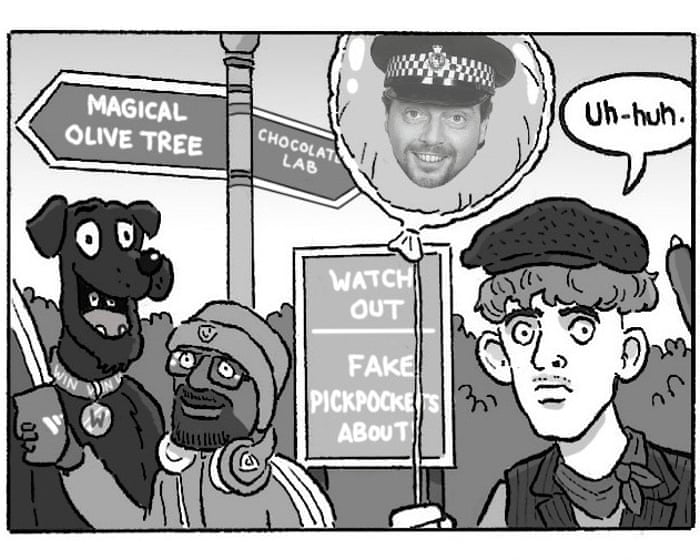
David Squires on … Mikel Arteta’s view that football is not Disneyland
Our cartoonist on whether the Arsenal manager is right about the game not being an entertainment industry Buy a cartoon | Some of David’s favourite works And his latest book, Chaos in the Box: get it now Continue reading...
Sport | The Guardian ·