Science & Environment
Sea cucumber–inspired gel could help heal damaged tissue in humans
Source: Phys.org - latest science and technology news stories · Published

Inspired by the ability of sea cucumbers to change the stiffness of their bodies, University of Waterloo researchers have developed a gel that could one day help repair damaged tendons and other soft tissues without leaving permanent material behind.
Inspired by the ability of sea cucumbers to change the stiffness of their bodies, University of Waterloo researchers have developed a gel that could one day help repair damaged tendons and other soft tissues without leaving permanent material behind.
Related stories

Habitat explains Finnish animal distributions better than climate, study finds
Researchers at the University of Helsinki wanted to understand which is the dominant factor for species occurrence and abundance: the climate or habitat-related variables, such as their natural state and the share of land shaped by human activity. Solutions to mitigate biodiversi
Phys.org - latest science and technology news stories ·
Just 3,000 steps a day may help slow Alzheimer's, scientists find
Walking just 3,000 steps a day could help slow Alzheimer’s-related brain changes, according to new research. Scientists discovered that physical activity was linked to less buildup of harmful tau proteins and nearly half the cognitive and functional decline, even in people alread
All Top News -- ScienceDaily ·
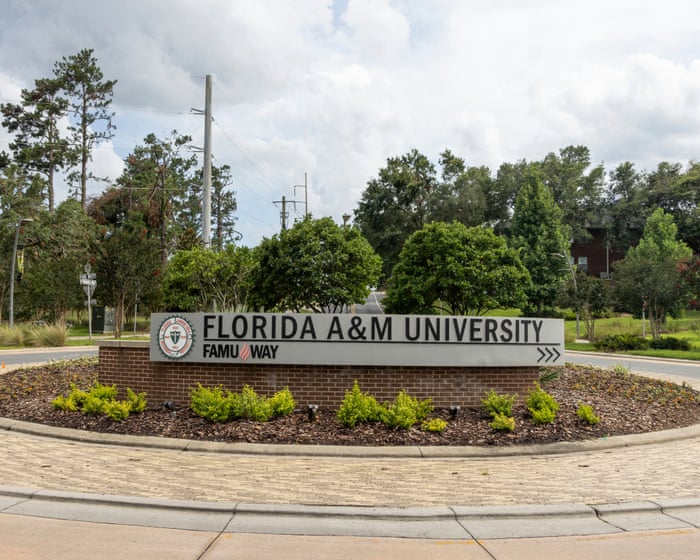
Eleven sustain gunshot wounds in shooting near Florida university
Police said an altercation at a homecoming party escalated into gunfire, resulting in six adults and six juveniles injured A shooting near a Florida university campus in Tallahassee has left 11 people with gunshot wounds and another person injured, authorities say. The shooti
World news | The Guardian ·

Rising demand from families needing Christmas help
Charlotte Riley says more families are reaching out for help for a variety of reasons.
feeds.bbci.co.uk ·
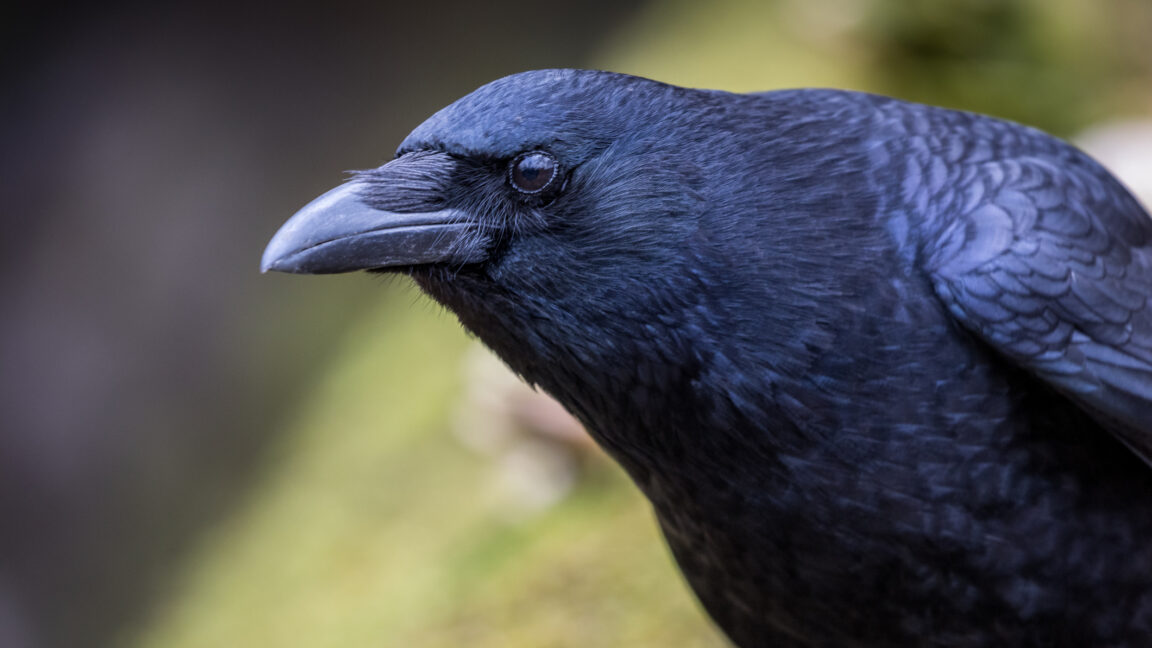
Crows can evaluate visual info twice as fast as mammals
Much of what we know about how a brain makes decisions comes from studying monkeys watching dots. In a task known as a random-dot-motion task, a cloud of flickering specks drifts weakly in one direction while the subject tries to determine whether—and in which direction— it’s mov
Ars Technica - All content ·