Technology & AI
Sculpture recreates odd optical effects of famed Lycurgus Cup
Source: Ars Technica - All content · Published
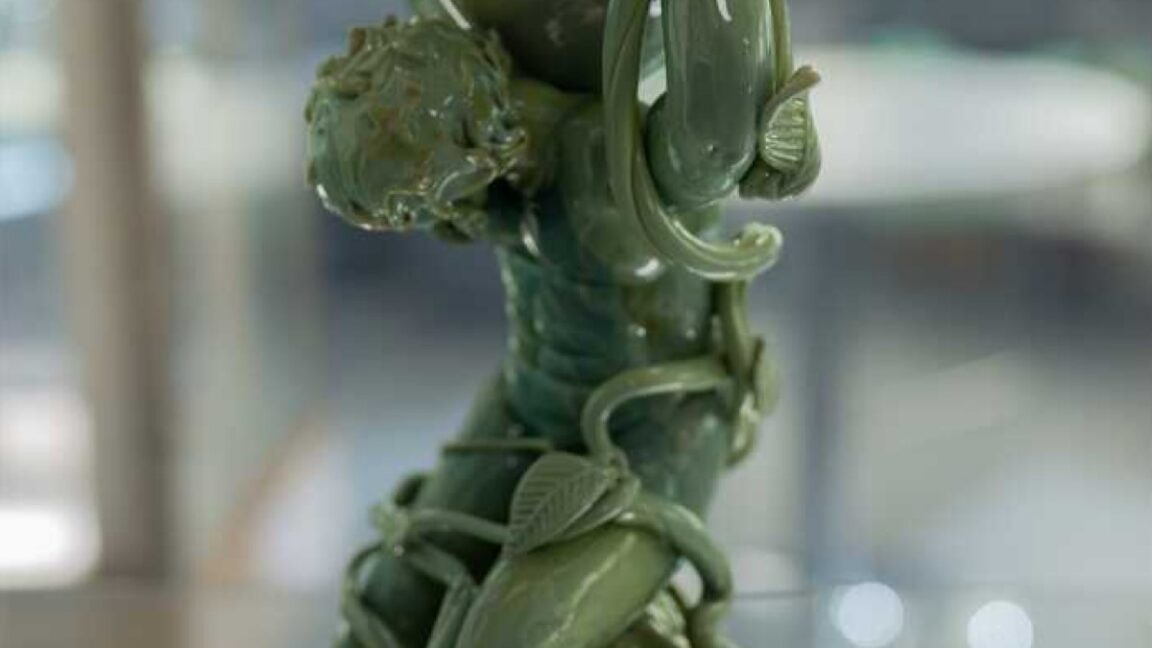
Dating back to around 400 CE and made of dichroic glass, the Lycurgus Cup is notable for exhibiting different colors depending on the light. (It gets its name from the scene depicted on its surface, of King Lycurgus of Thrace.) Light it from the front, and the cup looks green; li
Dating back to around 400 CE and made of dichroic glass, the Lycurgus Cup is notable for exhibiting different colors depending on the light. (It gets its name from the scene depicted on its surface, of King Lycurgus of Thrace.) Light it from the front, and the cup looks green; light it from behind, and the color changes to a deep red. University of Sheffield scientists have recreated the original recipe to produce a contemporary glass sculpture with the same optical effect.
The cup is considered one of the seven glass wonders of the world, one of just 40 glass cage cups that survived. Exactly why the unusual color effects of the Lycurgus Cup occurred was a mystery until 2007 , when a team of scientists discovered the color shifts were due to the presence of nanoparticles in the glass—the result of Roman artisans adding finely ground gold and silver into the mix. Those nanoparticles change how the electrons in the cup vibrate in response to light so that the color one sees shifts with the observer’s vantage point.
As we reported in 2019, it’s a similar phenomenon to the one responsible for the shifting colors of 19th-century daguerreotypes due to the scattering properties of nanoparticles. The Romans added salt when they melted the silicon (sand) to make the glass, and those salts contained gold atoms. In the melting process, those atoms aggregate and produce nanoparticles, which in turn produce the colors.
It’s how any stained glass is made. It's also similar to how the precise lattice-like structure of photonic crystals produces iridescent colors in nature, like the wings of butterflies, or opals. Read full article Comments
Related stories

Light, camera … razor blades?! How photography became an art form – in pictures
A new exhibition – which the Guardian gave five stars – tells the story of the birth of art photography. Here are some of the most astounding images, along with tales of the strange techniques that made them Continue reading...
Culture | The Guardian ·

The reason why some USB ports are orange
USB colors and symbols provide an idea of a port's capabilities, but are not as standardized as they should be.
Engadget - Technology News & Expert Reviews ·

Technician cracks 1,600-year-old mystery to replicate color-changing effect of Roman glass masterpiece
The Lycurgus Cup, a world-renowned 4th-century A.D. artifact housed in the British Museum, is constructed of "dichroic" glass that shifts from jade green in reflected light to ruby red in transmitted light. This means that depending on where the light source is positioned, observ
Phys.org - latest science and technology news stories ·

Meta’s $25 billion legal loss just put blood in the water
When attorneys general from across the US announced a $17 billion settlement with Meta this summer, the sum was unprecedented. But a ruling last week by a New Mexico judge blew that number out of the water. The judge ordered Meta to pay $25 billion to resolve claims that Meta mis
The Verge ·
Google’s Genie 4 world model adds audio, more realistic worlds, and real-time steering
Google DeepMind released Genie 4, a world model with real-time audio, more realistic simulations, and mid-simulation text prompts, in research preview for trusted testers.
TechCrunch ·