Business & Economy
Our ‘Paris manifesto’ proposes how to deal with extreme wealth in the AI age | Open letter
Source: Business | The Guardian · Published

It is possible for democracy to reverse the dynamic of oligarchy. But we must act now The explosion of extreme wealth in the world is the defining social fact of our times. When Forbes magazine began ranking the world’s largest fortunes in 1987, the wealth of the richest 0.0001%
It is possible for democracy to reverse the dynamic of oligarchy. But we must act now The explosion of extreme wealth in the world is the defining social fact of our times. When Forbes magazine began ranking the world’s largest fortunes in 1987, the wealth of the richest 0.0001% of our planet’s population equaled 3% of global GDP.
Since that time, the wealth held by this tiny group of people – just 3,000 households – has ballooned and now reaches 17% of global GDP. Continue reading...
Related stories
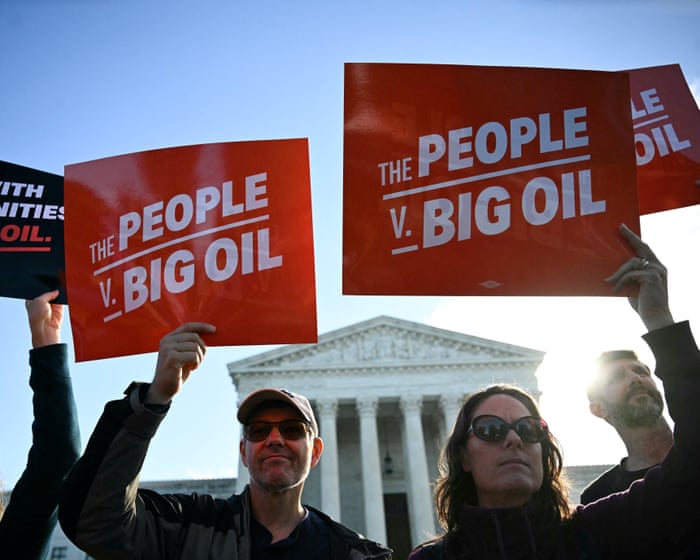
Climate scientists urge US lawmakers to vote no on sweeping permitting bill
Open letter warns Baaja, intended to expedite energy and infrastructure projects, will cause irreversible climate harm A group of more than 120 climate scientists have urged US lawmakers to not pass contentious legislation to speed up the building of energy projects, datacenters
World news | The Guardian ·

'I miss being on court' - Sinner has 'minor surgery' on knee
World number two Jannik Sinner says he has had "minor surgery" on his knee, just seven weeks before January's Australian Open begins.
feeds.bbci.co.uk ·
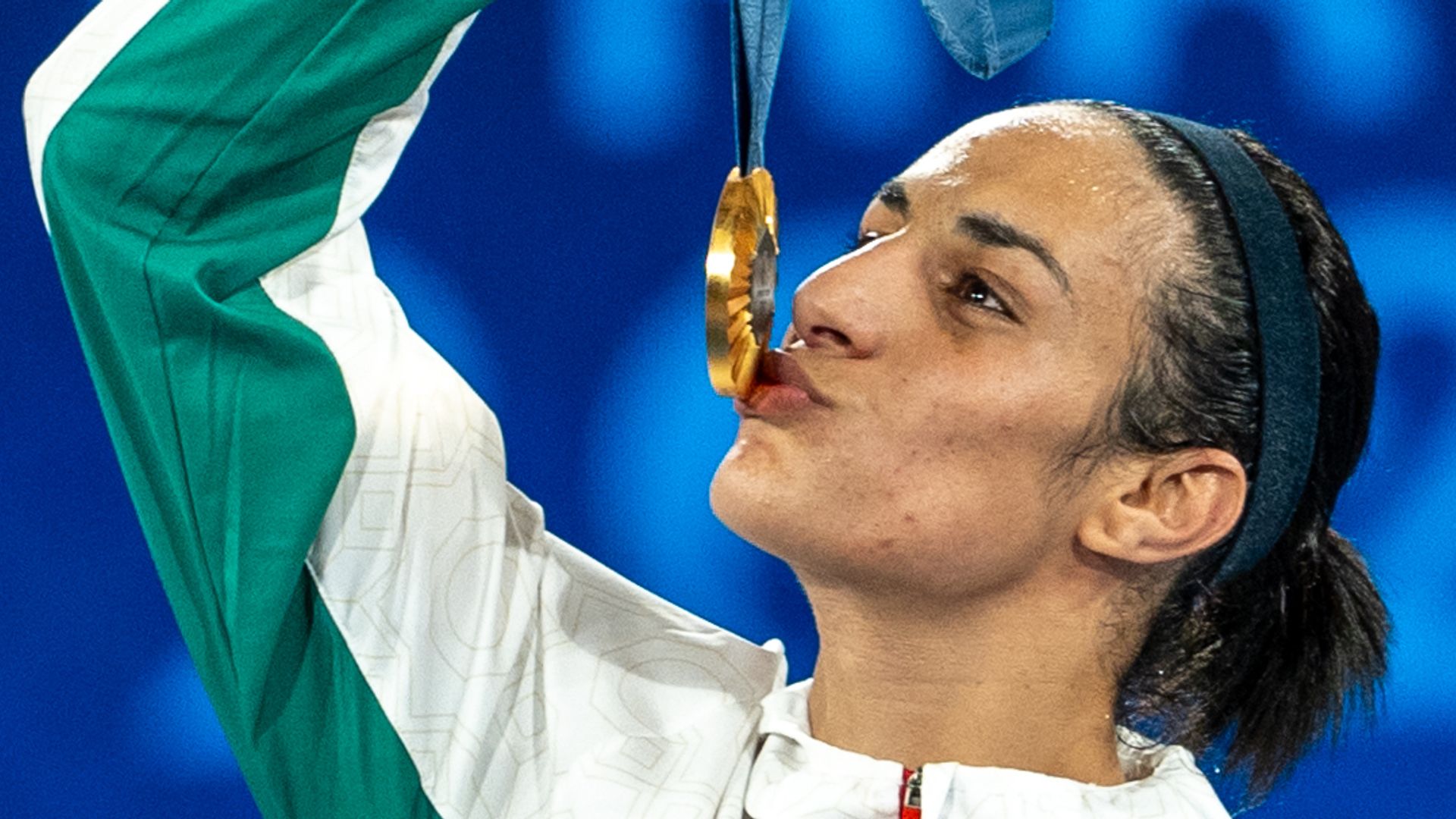
Khelif still set for pro bout in Paris despite opponent withdrawal
Imane Khelif is still set to box for the first time since the Olympic Games even though her scheduled opponent has withdrawn.
SkySports | News ·

New magical shows worth watching instead of Harry Potter
Since we wrote earlier this year about J.K. Rowling using her money to support groups and policies harming transgender people , she has accused the United Nations of promoting "sex denialism" and described trans rights activists as "elitists" whose work creates "a climate of fear
The Verge ·
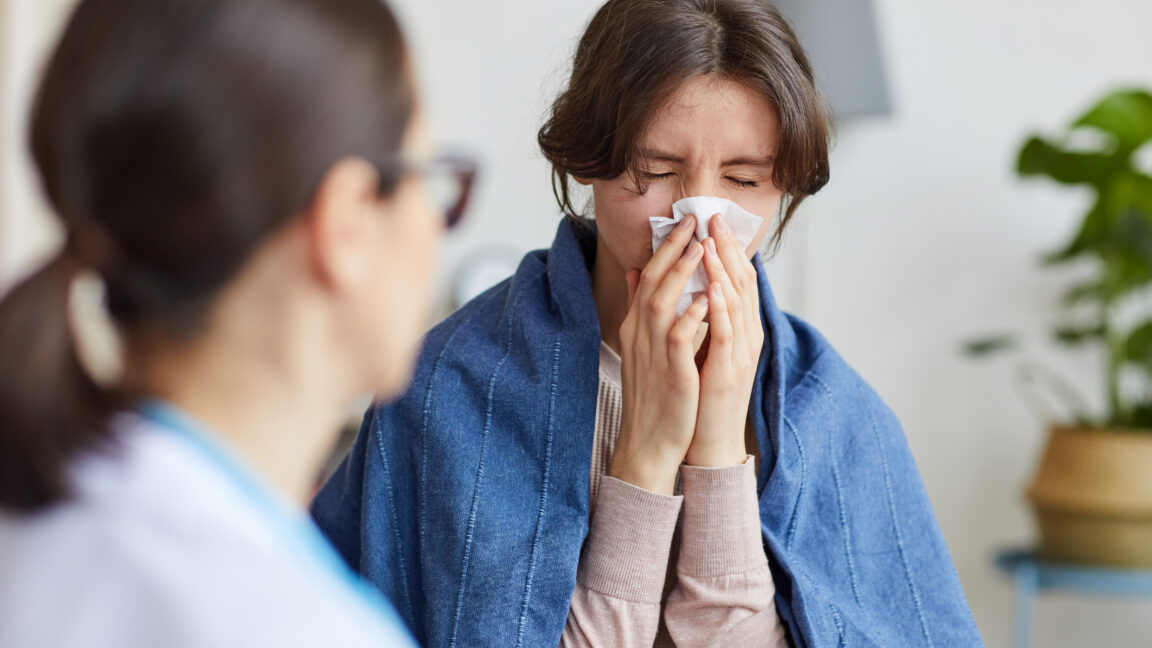
Over 25% of people lie to get antibiotics—and their lies aren't even good
A significant number of patients in the US lie to their doctors to get antibiotics they likely don't need, according to two new studies. While that may not be a startling revelation, the studies drill down on the phenomenon, finding that the lies patients tell are generally bad o
Ars Technica - All content ·