Technology & AI
One with the world? A new look at brains transformed by psychedelics.
Source: Ars Technica - All content · Published
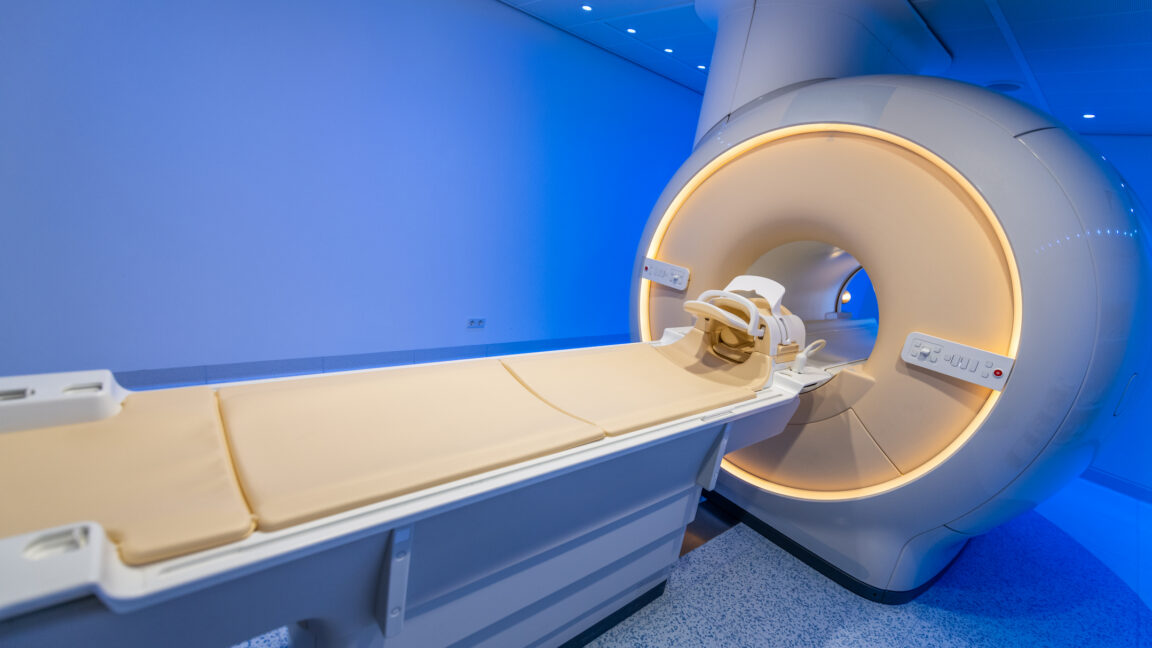
For about a decade, the mainstream understanding has been that psychedelics cause chaos in the brain. Brain networks—the stable patterns of communication that handle vision, attention, or our sense of self, and more—loosen and start talking to each other all at once. EEG traces g
For about a decade, the mainstream understanding has been that psychedelics cause chaos in the brain. Brain networks—the stable patterns of communication that handle vision, attention, or our sense of self, and more—loosen and start talking to each other all at once. EEG traces get noisier and more complex.
“Think of the networks of the brain as highways,” says Devon Stoliker, a neuroscientist at Monash University. “Under psychedelics, these highways break down into many different directions.” In a recent Nature study, Stoliker’s team designed an experiment to test whether these directions are truly chaotic and random. Researchers gathered 62 people who had never taken a psychedelic before, gave them 19 milligrams of psilocybin, a common psychedelic found in certain fungi, and scanned their brains.
Then, they used AI to analyze the drugged and sober brain scans. What emerged was not exactly chaos. An uninterrupted trip Stoliker thinks chaos is not a satisfactory explanation for psychedelics’ effect on the brain.
“It never really explained why an individual would have a meaningful experience, why they might have insight, why they might experience clarity, and why these might translate into positive psychological changes,” Stoliker says. To investigate if there are other explanations, he and his colleagues designed a study called PsiConnect. Read full article Comments
Related stories

Feds get ready to rewrite car headlight rules
One of the regulations that make vehicles in the US different from those in Europe or Japan is our headlight rules. They’re laid out in the Federal Motor Vehicle Safety Standards (FMVSS), and changing them is—or used to be—a lengthy, laborious process, which is a major reason aut
Ars Technica - All content ·
Drug target could block brain inflammation linked to Alzheimer’s and Parkinson’s
Blocking a receptor called P2X7 significantly reduced inflammation in human brain tissue, revealing a potential new treatment strategy for neurological and psychiatric disorders. The discovery could help researchers repurpose existing drugs for conditions including traumatic brai
All Top News -- ScienceDaily ·
What happens in the brain when cannabis makes you anxious?
Cannabinoids may intensify anxiety by removing a natural brake on specific neurons in the brain’s fear center, particularly during stressful situations. In mice, shutting down those neurons sharply reduced cannabinoid-related anxious behavior.
All Top News -- ScienceDaily ·
Vagus Nerve Stimulation Could Help New Skills Stick
Stimulating the vagus nerve after practice helped mice develop stronger long-term motor learning, revealing a potentially important window when the brain is still locking in a new skill. The effect was linked to rhythmic changes in brain blood vessels, hinting that body-to-brain
All Top News -- ScienceDaily ·

Newcastle have wings clipped by Leicester but look to play long game
Investment from Red Bull and scrapping of relegation give breathing-space for English rugby union’s northern light to develop a playing style ‘that doesn’t send people to sleep’ One of the key features of grown-up team sports the world over – in other words, all of them apart fro
Sport | The Guardian ·