Science & Environment
New method measures microplastics in the air using an uncrewed aerial system
Source: Phys.org - latest science and technology news stories · Published

Microplastics have been found in our bodies and the food we eat—and even in remote environments around the world, including seawater and ice in the Arctic. Despite their prevalence, little is known about how they move through the atmosphere. New CIRES-led research, which demonstr
Microplastics have been found in our bodies and the food we eat—and even in remote environments around the world, including seawater and ice in the Arctic. Despite their prevalence, little is known about how they move through the atmosphere. New CIRES-led research, which demonstrates a new method for sampling microplastics in the atmosphere using an uncrewed aerial system (UAS), aims to change that.
The findings are published in the journal Scientific Reports.
Related stories
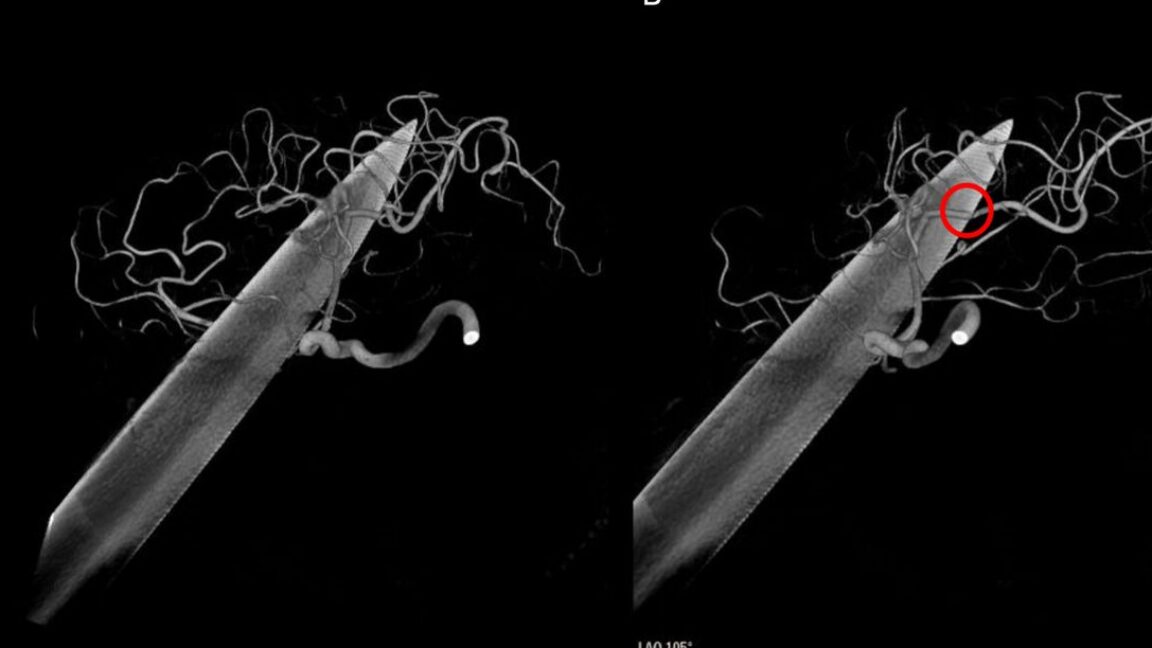
Doctors pull knife from man's eye that went through his brain—and he's fine now
A man in his 20s showed up to a UK hospital with the hilt of a knife sticking out of his face. The 15 mm-wide blade hidden within went completely through his right eye and through his brain, with the tip of the blade hitting the top of his skull. Despite the ghastly injury, the m
Ars Technica - All content ·
Underdog shows off a 32MB speech model in new demo
Despite its small size, Underdog's new model can generate both speech and music.
TechCrunch ·

Scientists discover new jellyfish species in waters off Alicante in Spain
The Mediterranean Sea still holds species unknown to science. One of them is Copula lucentia, a tiny jellyfish measuring just a few millimeters. Discovered off El Campello, in Alicante, it was formally described in 2024 by a research team at the University of Alicante (UA) Marine
Phys.org - latest science and technology news stories ·

Heavy rain can more than double glacier speeds in Alaska
Glaciers are often thought of as unyielding blocks of ice that slowly carve out the landscape as they move downhill by gravity. But sometimes their slow crawl becomes a surge that sees them move orders of magnitude faster than their usual speed.
Phys.org - latest science and technology news stories ·

The introduction of a medieval public health system exposed the population to roundworm
Medieval health and sanitation efforts involved deliberate interventions; however, some of these measures had the opposite effect, leading to an increased spread of disease in Trondheim.
Phys.org - latest science and technology news stories ·