Technology & AI
New forensic evidence supports Egyptian "retainer sacrifice"
Source: Ars Technica - All content · Published
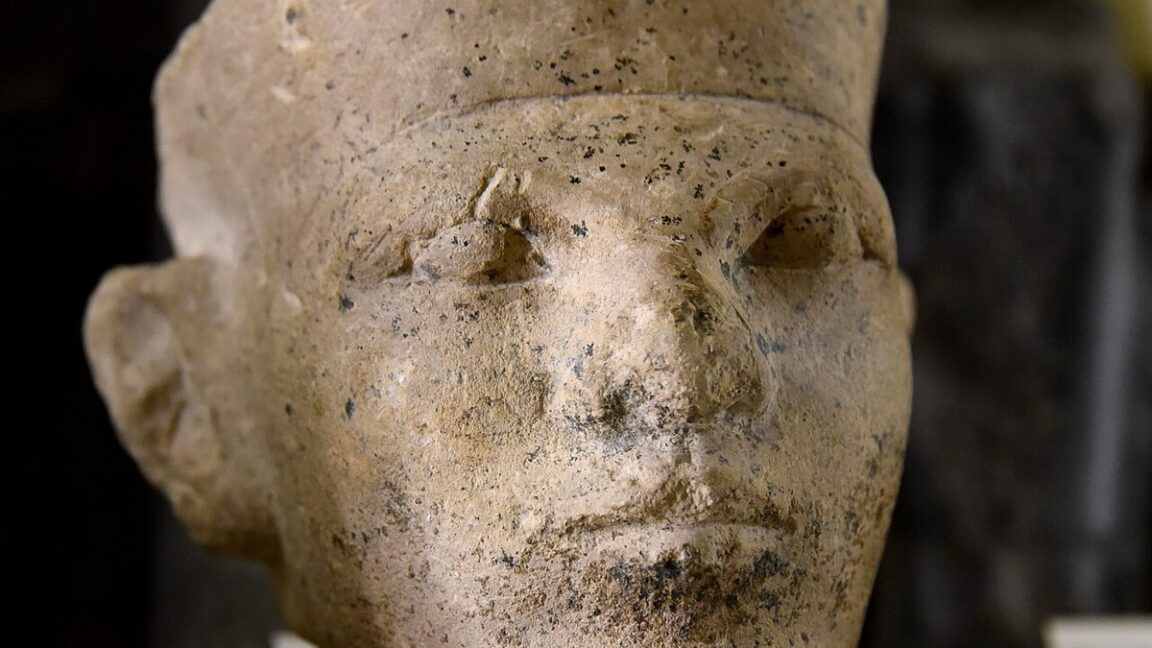
Egyptologists have long debated whether the earliest pharaohs of the First Dynasty were buried with various servants and officials to serve them in the afterlife—a form of human sacrifice . But there is very little archaeological evidence available, given that many of the earlies
Egyptologists have long debated whether the earliest pharaohs of the First Dynasty were buried with various servants and officials to serve them in the afterlife—a form of human sacrifice . But there is very little archaeological evidence available, given that many of the earliest Egyptian tombs were plundered and/or hastily excavated. A new paper published in the journal Frontiers in Environmental Archaeology reassesses a collection of skulls excavated from tombs in the 1920s and concludes that over one-third show evidence of blunt force trauma.
This suggests that they may have been victims of so-called "retainer sacrifice." Author Roselyn Campbell is a bioarchaeologist at Purdue University who has long been fascinated with the history of human sacrifice. "I'm interested in how we as human beings decide which types of violence are okay and which are not, and how we even define violence," Campbell told Ars. "It's very context-specific.
We have to be careful not to extend our own ideas about what violence is and how it's used into other cultures. With Egypt, we have such a long history of European and colonial archeology; they came in with very specific ideas about what this culture was. You really have to make an effort to contextualize the legacy data we have." Naturally she found the debate over whether ancient Egyptians practiced retainer sacrifice pertinent to her interests.
"People tend to fall into one of two camps," said Campbell. "Either retainer sacrifice definitely happened, end of discussion, or it definitely didn't happen, end of discussion. But nobody's actually looked at the bones in a very long time." Forensic science has advanced considerably over the last century, so re-analysis could be useful.
Complicating matters is the fact that older sets of remains are often incomplete and/or modified for preservation, destroying vital forensic information in the process. Read full article Comments
Related stories

Long-term logging experiment reveals how protecting the forest floor helps preserve soil carbon
Forest soils store an estimated 40% of the world's terrestrial carbon, but estimates suggest that around 15–30% of that soil carbon is lost when a forest is harvested. Tracking such losses can be tricky: wildfires, insects, disease and past forest management can all affect forest
Phys.org - latest science and technology news stories ·

Egyptian journalist faces terrorism charges after entire newsroom detained
Calls for release of six Matsadaash staff after one is charged, while whereabouts of other five remain unknown An Egyptian journalist has been charged with joining a terrorist group, days after an entire newsroom was detained in what rights groups have said is a crackdown on pres
World news | The Guardian ·

Why the UK is dithering over what to do about e-scooters
Why is it taking so long for the government to regulate them, and what are the consequences of delay?
feeds.bbci.co.uk ·

How to add and customize your CarPlay widgets
CarPlay's widgets let you check info quickly, which is a great option for apps that aren't otherwise supported.
Engadget - Technology News & Expert Reviews ·
Are extended warranties on TVs and laptops ever really worth it?
TV and laptop repairs can get expensive in a hurry, so getting a warranty sounds smart. But is it really?
Engadget - Technology News & Expert Reviews ·