Science & Environment
NASA spots a giant patch of Moon-like rock on Earth
Source: All Top News -- ScienceDaily · Published
An astronaut aboard the International Space Station photographed a remarkable formation in Madagascar that looks surprisingly similar to the Moon’s bright highlands. Made of anorthosite, a rock abundant on the lunar surface, the formation dates back at least 600 million years and
An astronaut aboard the International Space Station photographed a remarkable formation in Madagascar that looks surprisingly similar to the Moon’s bright highlands. Made of anorthosite, a rock abundant on the lunar surface, the formation dates back at least 600 million years and bears the scars of ancient continental collisions.
Related stories
NASA is searching for hidden caves to build its first Moon base
NASA is preparing for humanity’s first Moon base with three investigations that will hunt for underground shelters, uncover hidden ice, and track dangerous conditions on the lunar surface. The findings could reveal how astronauts can survive and thrive on the Moon while laying th
All Top News -- ScienceDaily ·
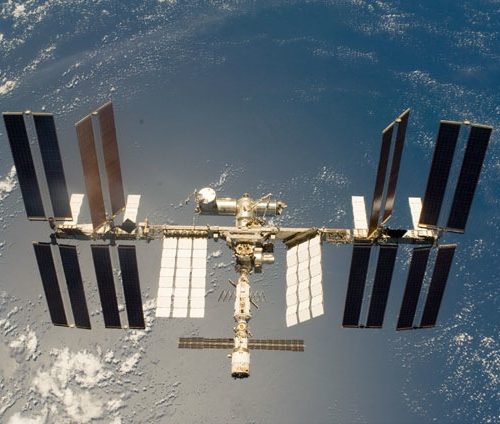
NASA issues long-awaited call to industry for private space stations
NASA on Friday released a much-anticipated "request" to the US commercial space industry to develop private space stations that, as early as 2030, will succeed the International Space Station as a place for astronauts to live in low-Earth orbit. In a cover letter accompanying the
Ars Technica - All content ·
NASA astronauts splash down after 100 million miles in space
NASA’s SpaceX Crew-12 astronauts have returned to Earth after 237 days in space, traveling more than 100 million miles and completing over 3,792 orbits while conducting research to prepare for future missions to the Moon and Mars. The mission also made history with record-setting
All Top News -- ScienceDaily ·
Earth’s center is moving, and NASA just measured it
Earth’s center of mass is constantly on the move, shifting by a few millimeters as enormous amounts of water, ice, and even air migrate around the planet with the seasons. NASA scientists have developed a more precise way to track these tiny swings using laser-ranging satellites,
All Top News -- ScienceDaily ·
October’s night sky is full of cosmic tricks and treats
October’s skies are packed with celestial surprises, from Jupiter disappearing behind the Moon to two meteor showers lighting up the darkness. NASA highlights four must-see events, including shooting stars from Halley’s Comet and a glowing Hunter’s Moon just before Halloween.
All Top News -- ScienceDaily ·