Science & Environment
NASA smashed into an asteroid. Now Hera is closing in to see what happened
Source: All Top News -- ScienceDaily · Published
Europe’s Hera spacecraft has captured its first clear view of two asteroids involved in NASA’s historic 2022 experiment to redirect a potentially dangerous space rock. Now approaching the pair, Hera will investigate the mysterious aftermath of the collision and uncover why the as
Europe’s Hera spacecraft has captured its first clear view of two asteroids involved in NASA’s historic 2022 experiment to redirect a potentially dangerous space rock. Now approaching the pair, Hera will investigate the mysterious aftermath of the collision and uncover why the asteroid shifted far more than scientists predicted.
Related stories
NASA reveals a haunting skull hidden in Antarctica’s ice
NASA satellites have captured an eerie, skull-shaped formation on a remote Antarctic island, but its haunting appearance conceals a troubling warning about melting glaciers. Unusually warm winter temperatures have exposed large areas of dark ice, potentially accelerating future m
All Top News -- ScienceDaily ·

Monarch butterflies get tiny trackers to help scientists follow their mysterious migration
As a child, Rebeca Quiñonez-Piñón wondered where monarch butterflies stop for a meal and a night's rest on their long migrations across North America. Now she and other scientists are attaching tiny tracking devices to hundreds of butterflies to find those critical stopover locat
Phys.org - latest science and technology news stories ·
Astronauts just gave the International Space Station a powerful upgrade
Two astronauts completed a 7-hour, 11-minute spacewalk to install a new solar array on the International Space Station, bringing NASA one step closer to a major power upgrade. Once the final array is installed on November 5, the station will have up to 30% more available power, s
All Top News -- ScienceDaily ·
NASA discovers Jupiter’s invisible shield is more complex than Earth’s
NASA’s Juno spacecraft has discovered that Jupiter uses a surprisingly complex system of powerful plasma waves and multiple shock regions to defend against the solar wind. The findings reveal major differences between Jupiter and Earth and could help scientists understand the eno
All Top News -- ScienceDaily ·
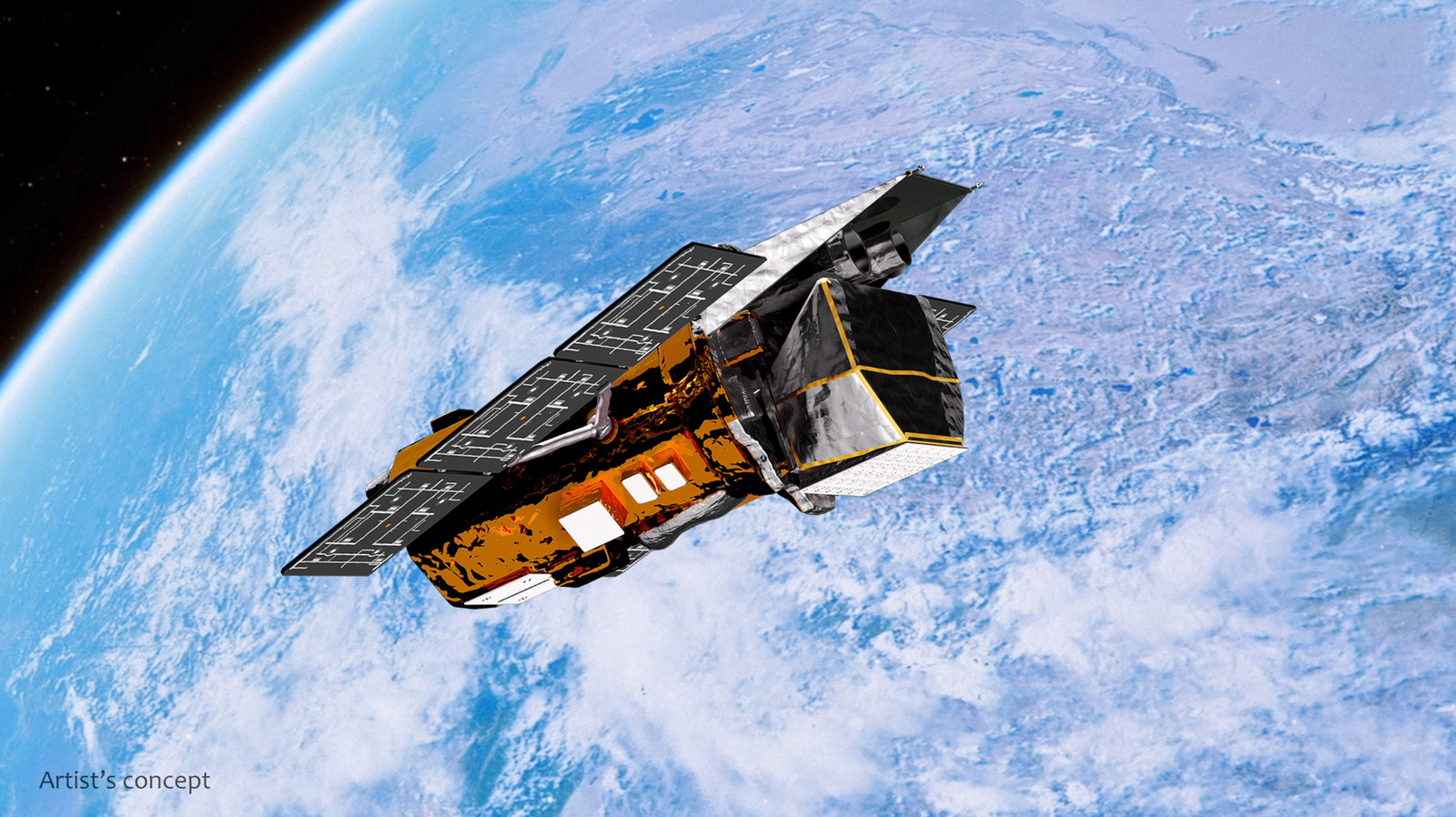
NASA's Swift observatory is expected to return to Earth on November 4
The US Armed Forces says NASA's Swift observatory will re-enter Earth's atmosphere in the early hours of November 4.
Engadget - Technology News & Expert Reviews ·