Science & Environment
Magnetic nanocomposites could help shrink the components that power computer chips
Source: Phys.org - latest science and technology news stories · Published

When you think about making computer chips better, you probably think about transistors. My colleagues and I focused on a less visible part of the problem: the components that deliver power to those transistors. A chip needs more than electricity. It needs electricity supplied at
When you think about making computer chips better, you probably think about transistors. My colleagues and I focused on a less visible part of the problem: the components that deliver power to those transistors. A chip needs more than electricity.
It needs electricity supplied at the right voltage, with fluctuations kept under control. Making the hardware that does this smaller is an important challenge—and one that led my colleagues and me to build tiny magnetic devices called stripline microinductors.
Related stories

Why it's important to never plug power strips into each other
Power strips are lifesavers when you don't have enough outlets to power all of your electronics and some also offer protection from power surges.
Engadget - Technology News & Expert Reviews ·

Exactly solvable model reveals how trapped light can create magnetic order in one-dimensional spin chains
A research team wanted to better understand how the forces between particles inside a material change. They discovered that by confining one-dimensional classical spin chains inside a mirror box cavity with light, they could force these magnetic particles to organize and undergo
Phys.org - latest science and technology news stories ·
Tiny magnetic vortices could help computers work more like your brain
Scientists have filmed tiny magnetic vortices called skyrmions melting out of an organized lattice for the first time, revealing new ways to manipulate these unusual structures. The breakthrough could help make brain-like computers a reality, potentially enabling dramatically sma
All Top News -- ScienceDaily ·
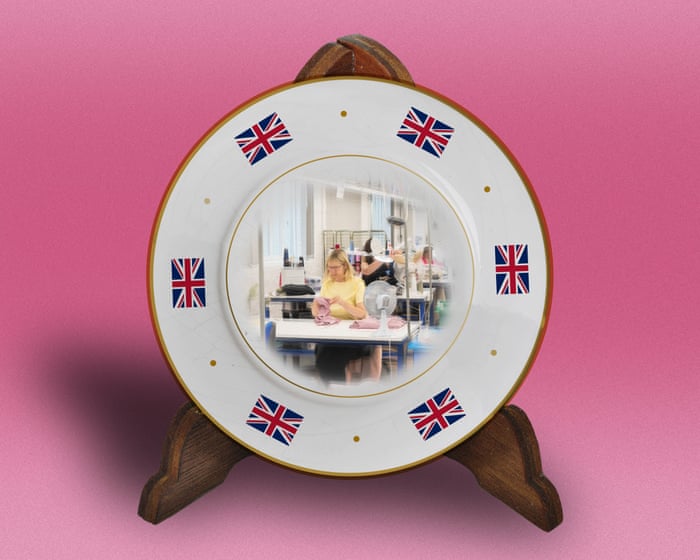
Fashion and tradition: how John Smedley is innovating in a tough market
In the final article in a series on high-end British manufacturing we look at a clothing brand that dates to the 18th century but is increasingly on-trend Making jeans again: the Hiut Denim factory in Cardigan Rolls-Royce rides high on craze for customisation Luxury leather: from
Business | The Guardian ·

How competing reproductive needs shaped the evolution of liverworts
Liverworts reproduce through a life cycle involving two distinct stages. First, sperm fertilize eggs in the presence of water, producing embryos that develop into spore-producing structures called sporophytes. These structures then produce spores that can disperse and grow into n
Phys.org - latest science and technology news stories ·