Science & Environment
Lonely shoppers demonstrate less compassion in their purchases than others, study shows
Source: Phys.org - latest science and technology news stories · Published

Chronically lonely people are less likely to buy products that benefit others, such as fair-trade or child-labor-free goods, according to a new study by researchers at Concordia and the University of the Fraser Valley. The team ran four studies involving more than 1,400 participa
Chronically lonely people are less likely to buy products that benefit others, such as fair-trade or child-labor-free goods, according to a new study by researchers at Concordia and the University of the Fraser Valley. The team ran four studies involving more than 1,400 participants across North America. Each person completed a standard loneliness questionnaire, then chose between ordinary products and versions that cost 15% to 20% more but carried an ethical or environmental label.
Items included toothpaste, chocolate bars, jackets and backpacks.
Related stories

University pauses Shakespeare move after backlash
The planned move from Mason Croft is paused while the university explores future options.
feeds.bbci.co.uk ·
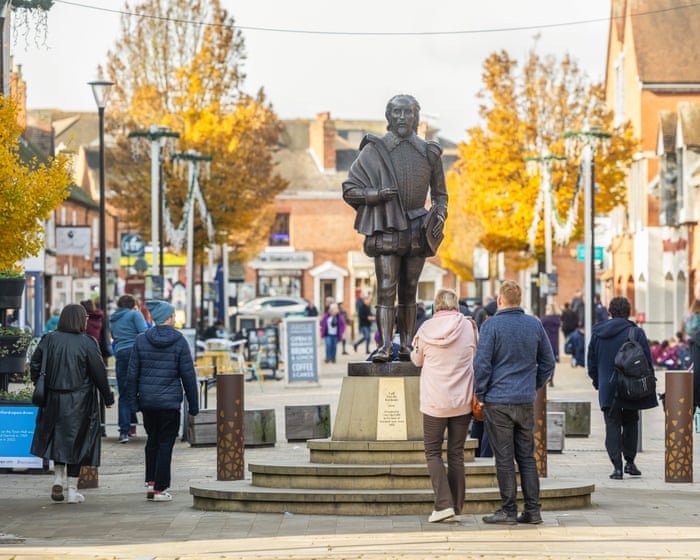
University of Birmingham pauses plans to move Shakespeare Institute after outcry
Vice-chancellor halts proposed relocation from Stratford-upon-Avon but offers no guarantees over future The University of Birmingham has paused plans to move its much-loved Shakespeare Institute from Stratford-upon-Avon to its city campus after an outcry from scholars, actors and
World news | The Guardian ·

Ethiopian volcano's mysterious methane outburst may have a culprit—magma that never erupted
Experts were puzzled when satellite observations showed a volcano in Ethiopia emitting huge quantities of methane despite not erupting, but a team of researchers led by the University of Bristol believe they have discovered why this happened—and their findings could have implicat
Phys.org - latest science and technology news stories ·

Ahead of Giving Tuesday, study finds charitable giving often misses communities with greatest need
As Giving Tuesday approaches, a recent study led by a University of Massachusetts Amherst public policy researcher finds that communities with greater economic disadvantage typically see less private charitable giving—despite having greater needs in many cases.
Phys.org - latest science and technology news stories ·

Rethinking the 'girls are worse with money' myth
New research led by Dr. Stephen Agnew from Te Whare Wānanga o Waitaha | University of Canterbury's (UC) Department of Economics and Finance is challenging one of the most persistent assumptions in education and everyday culture: that teenage girls are less financially literate th
Phys.org - latest science and technology news stories ·