Science & Environment
Light-driven method puts notoriously reactive hydrogen atoms to work for chemical synthesis
Source: Phys.org - latest science and technology news stories · Published

Hydrogen is the simplest element in the periodic table, consisting of just one proton and one electron. In chemistry, however, the smallest of atoms is anything but simple. First produced by Nobel laureate Irving Langmuir over a century ago, single hydrogen atoms (H•) are so reac
Hydrogen is the simplest element in the periodic table, consisting of just one proton and one electron. In chemistry, however, the smallest of atoms is anything but simple. First produced by Nobel laureate Irving Langmuir over a century ago, single hydrogen atoms (H•) are so reactive that they are almost impossible to prepare and use.
Related stories

3D-printed inserts bring single-objective light sheet microscopy to commercial sample chambers
Light sheet microscopy allows biologists to selectively light up a thin slice of a sample. This method can improve image contrast by reducing background light while remaining gentle on the sample, reducing photodamage and photobleaching. Rice University's Anna-Karin Gustavsson ha
Phys.org - latest science and technology news stories ·
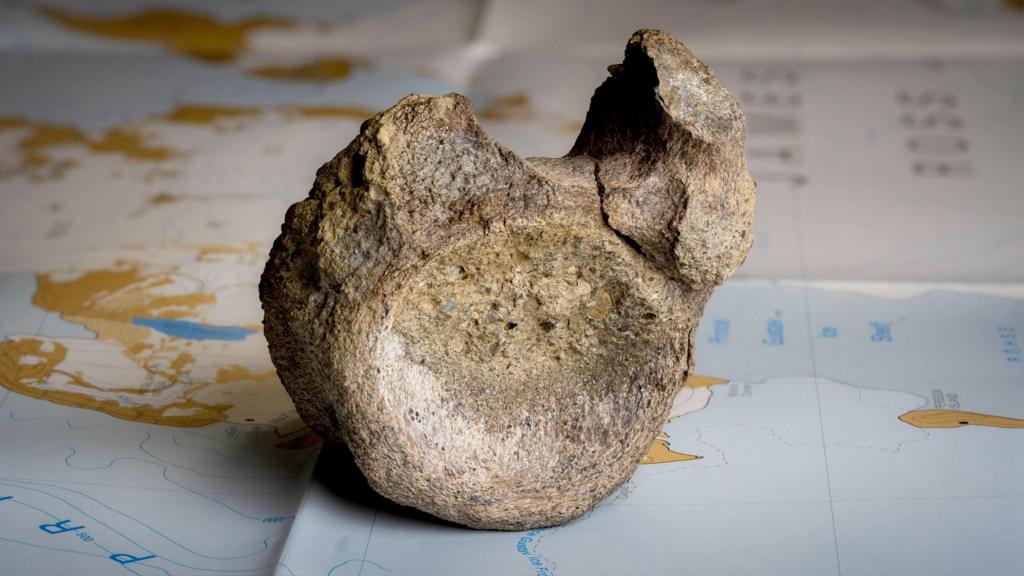
First dinosaur bone from Antarctica found in a drawer
The fossil, collected in Antarctica in 1985, is part of the tail of a beast called a Titanosaur.
feeds.bbci.co.uk ·

First Hurricane of the Atlantic season due to hit the Gulf coast
El Niño has led to an eerily quiet season so far but the first Atlantic hurricane of the year is now set to impact the southern USA.
feeds.bbci.co.uk ·
Scientists just found a new way to make hydrogen from water
A new light-activated material can efficiently produce hydrogen from water without requiring an additional expensive metal catalyst. Researchers say its unusual sulfur-based chemistry could point toward cheaper and more practical ways to turn sunlight into clean fuel.
All Top News -- ScienceDaily ·
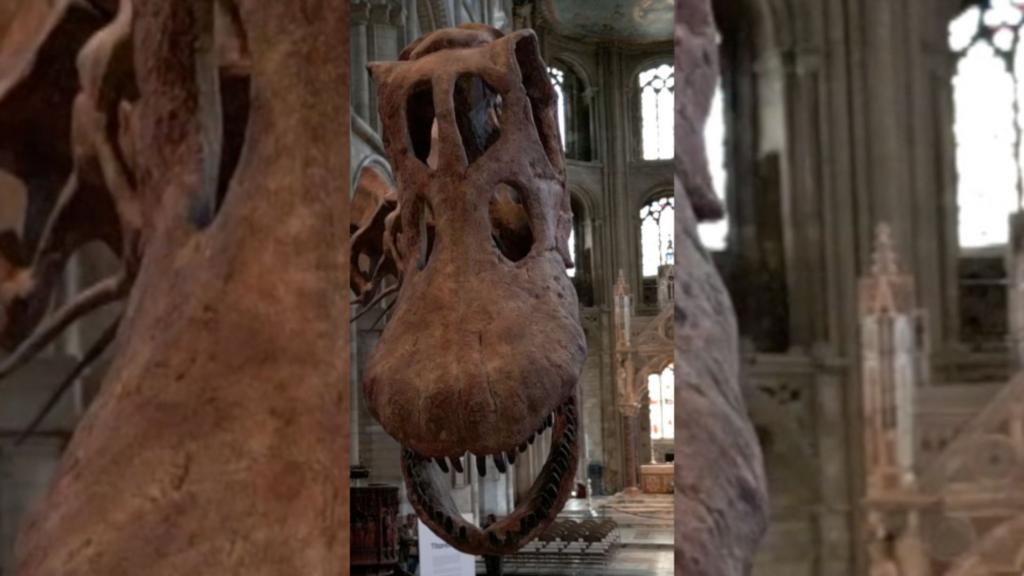
Fossil identified as first dinosaur ever found in Antarctica
Argentinian geologist Eduardo Olivero became the first scientist to find the remains of a dinosaur in Antarctica in 1986.
feeds.bbci.co.uk ·