Technology & AI
Kalshi loses again as judges rule prediction markets must obey gambling laws
Source: Ars Technica - All content · Published

Another federal appeals court has ruled that states can enforce their gambling laws against the prediction market Kalshi, which asserts that it can only be regulated by the US government. On Friday, a three-judge panel in the US Court of Appeals for the Sixth Circuit ruled unanim
Another federal appeals court has ruled that states can enforce their gambling laws against the prediction market Kalshi, which asserts that it can only be regulated by the US government. On Friday, a three-judge panel in the US Court of Appeals for the Sixth Circuit ruled unanimously against Kalshi and in favor of Ohio and Tennessee. While the US Commodity Futures Trading Commission has exclusive jurisdiction over "swaps," the judges found that sports wagers offered on Kalshi do not meet the legal definition of swaps.
Moreover, the court found that even if Kalshi wagers were swaps, the regulatory scheme created by Congress would not prohibit states from enforcing gambling laws on prediction markets. "We hold that Kalshi has not shown that its sports-event contracts satisfy the statutory definition of a 'swap' so as to fall within the scope of the CFTC's 'exclusive jurisdiction,'" said the ruling written by Judge Julia Smith Gibbons, a George W. Bush appointee.
"And, even assuming that Kalshi’s sports-event contracts are swaps, we alternatively hold that the CEA [Commodity Exchange Act] neither expressly nor impliedly preempts Ohio’s or Tennessee’s gambling laws." Read full article Comments
Related stories
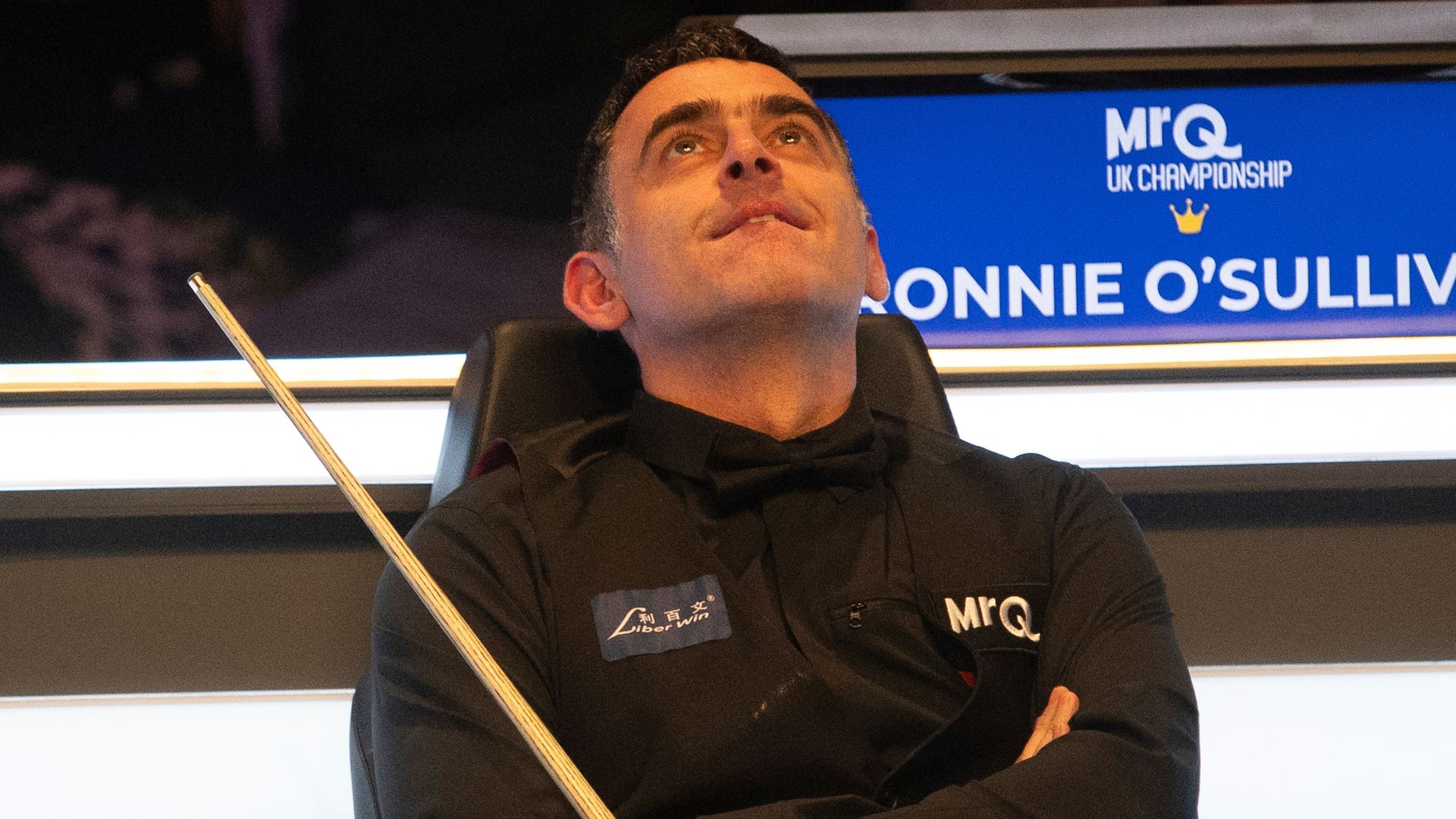
O’Sullivan suffers another setback with Shenzhen Open exit
Ronnie O’Sullivan’s career hit another setback as he crashed out of the Shenzhen Open to world No 64 Jiang Jun.
SkySports | News ·
Scientists discovered two bizarre new sea spiders that are “nightmare fuel”
Scientists discovered two strange new sea spider species in the Salish Sea, including a hairy-legged, red-eyed species that can groom itself with comb-like appendages. Another is frequently covered in tiny parasites, and researchers say many more undiscovered sea spiders may stil
All Top News -- ScienceDaily ·
AMD will acquire Fei-Fei Li’s World Labs for $8.2 billion
The acquisition will see World Labs founder Fei-Fei Li join AMD as executive vice president and chief scientist.
TechCrunch ·

To keep drug prices high, pharma has been piling up the patents
The cost of healthcare in general is a debilitating, pre-existing condition for Americans. But the high prices of prescription drugs usually stand out as a pain point. While there are many insidious reasons why Americans pay more—often far more—for their medicines than people in
Ars Technica - All content ·

Discord is testing a lightweight mode to free up resources while gaming
Unsurprisingly, it's called Game Mode.
Engadget - Technology News & Expert Reviews ·